contact
Leave Your Message

Blog

How to Choose the Right MDF Sheet for Your Project?

How to Choose the Right MDF Sheet for Your Project?

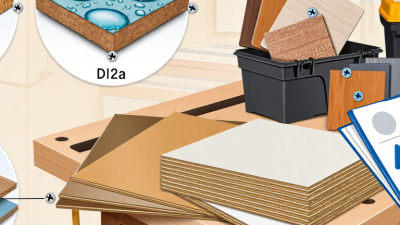
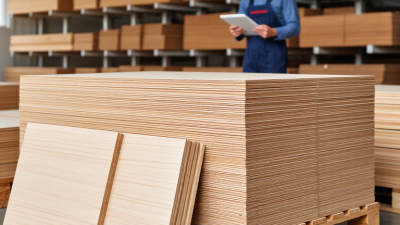
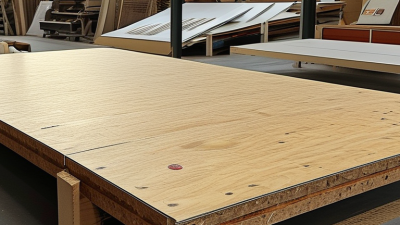
Choosing the right Mdf Sheet starts with what the project actually needs, not just how it looks. A cabinet door, shop counter, wall panel, and drawer base all ask for different things. Thickness matters for stability and screw holding. Density affects weight, machining, and edge strength. And moisture exposure? That matters even more. Robert Glowinski, former President and CEO of the Composite Panel Association, puts it simply: “The right panel is the one that meets the application’s performance needs.” That’s still a good rule when you’re comparing products from makers like Roseburg Forest Products and Medite Smartply. Their technical datasheets can tell you density, thickness tolerance, formaldehyde emissions, and surface suitability. Check those details closely—product names can sound really similar. A reliable pick also depends on cutting conditions and finishing plans. A high-density Mdf Sheet might give you cleaner routed edges, but it can wear tools faster. A lightweight board may be easier to handle, yet its screw-holding performance might disappoint. I’ve seen projects fail because installers trusted a sample’s smooth face and ignored the edge. That mistake is easy to repeat. Look for certification that fits your market, like EPA TSCA Title VI or CARB Phase 2 compliance. Ask whether the board is moisture-resistant, fire-rated, or meant for interior use. Get current technical documents from the supplier. Don’t rely on a faded label. And yes, budget still matters. The cheapest sheet can end up costing more through waste, repainting, or replacement. A thoughtful choice balances performance, safety, machining needs, availability, and finish quality. No selection is perfect. But a documented comparison makes the final decision easier to defend and more reliable.
Read more »
Clara By:Clara - October 11, 2026
China Top PVC Facade Manufacturers for Global Buyers

China Top PVC Facade Manufacturers for Global Buyers

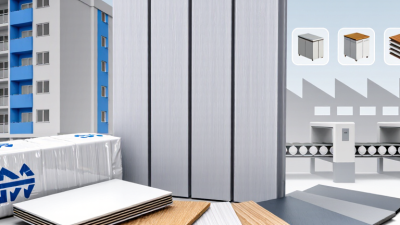
China has really become a go-to sourcing base for PVC facade products, serving residential, commercial, and hospitality projects around the world. This guide introduces some of the leading Chinese manufacturers and explains how global buyers can assess them with more confidence. The focus stays practical: surface consistency, substrate quality, production capacity, and export experience. A reliable supplier should be upfront about film thickness, adhesive systems, edge treatment, moisture resistance, and color stability. Buyers should also ask for samples before approving large orders. A sample can look great under showroom lighting, but after installation you might spot weak corners or uneven texture. Small details matter. Factory audits, batch records, inspection reports, and transparent packaging standards can cut down on avoidable risks. The review also considers related products, including PVC Laminated MDF Board, because many facade projects combine decorative panels, cabinetry, and interior wall applications. Experienced manufacturers usually explain where each material performs best, instead of recommending one solution for every project. That honesty is valuable. No factory is perfect, and production quality can vary between batches—especially during high-demand periods. So this overview doesn’t rely on marketing claims alone. It looks at manufacturing experience, technical communication, customization ability, quality control, and after-sales support. Global buyers can use these points to compare suppliers more objectively, negotiate realistic specifications, and build longer-term partnerships. The final choice still depends on project conditions, local installation practice, and verified product testing. And practical checks? Still essential.
Read more »
Clara By:Clara - October 7, 2026
How to Choose the Right Decor Panel for Global Projects?

How to Choose the Right Decor Panel for Global Projects?

Picking the right decor panel for a global project isn’t just about choosing a style—there’s so much more involved. It impacts safety, how durable it is, how quickly it’s installed, what maintenance it needs, and how folks will actually experience the space day-to-day. For example, a panel that works great in a dry hotel corridor might totally flunk in a humid coastal school. Climate really matters here, along with the local construction practices everyone’s used to. Interior designer Kelly Wearstler once said, “Design is about the experience, and the experience is about the details.” That totally rings true when it comes to picking materials. Things like texture, how the edges are finished, how it reflects light, and even how it feels to the touch—all these little details can totally change how people perceive a space. But, I mean, visual appeal shouldn’t be the only thing to go on. Before giving the green light, project teams should really dig into fire safety ratings, moisture resistance, VOC emissions, cleaning needs, warranties, and regional codes. For international projects, don’t just look at pretty pictures online—make sure to compare actual technical data from trusted manufacturers. Check out specifics like Medex Panel or other reputable brands. It's a good idea to get real samples under your project’s lighting conditions so you can see how the colors look in person. Also, verify if local installers can cut, join, or repair the panels easily—little things like that can turn into big, expensive headaches when materials cross borders. And honestly, there’s no such thing as a perfect panel. A smart, seasoned approach to specifications understands that there will always be some uncertainty—shipping delays, changing regulations, or site issues—things that can throw your plan off course. The key is to acknowledge these risks and have some backup options in place. The best decor panels aren’t just about looks; they need to be appropriate for the space, well-documented, easy to maintain, and realistic about their limitations.
Read more »
Lila By:Lila - October 3, 2026
China Best OSB Base How to Choose the Right Supplier?

China Best OSB Base How to Choose the Right Supplier?

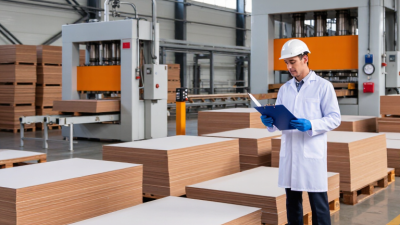
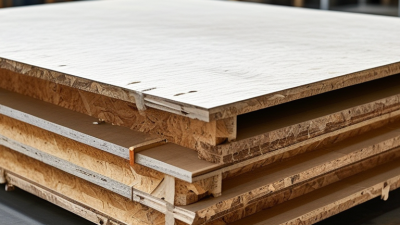
Choosing the right OSB base supplier in China isn’t just about comparing prices or clicking through shiny factory websites. Honestly, the main thing you should care about is whether they can keep delivering consistent, reliable performance, batch after batch. It’s a simple question, but a really important one. Dr. Robert H. Falk, a well-known expert in wood products, once said, “Performance begins with understanding the material, not merely naming it.” And I think that really hits the mark. When you're looking at OSB for things like furniture, flooring, wall panels, or even structural stuff, you need to dig a little deeper. Make sure you check out details like strand quality, resin types, panel density, thickness tolerances, moisture resistance, and formaldehyde test results. Don’t just take their word for it—ask for recent lab reports. It’s also a good idea to request some production samples and see if they match the OSB you eventually get shipped. Trust me, a mismatch here can be a headache later on. A trustworthy supplier in China should be pretty transparent about their manufacturing process. Look for clear info on quality control procedures, calibrated equipment, traceability of raw materials, and their experience in exporting. Photos of their factory are helpful, but they don’t tell the whole story. Sometimes a quick video call can reveal storage conditions, damaged edges, or if their packaging is all over the place. And hey, don’t make your decision based solely on price. If a quote sounds unusually low, that might be a red flag — maybe the resin quality isn’t great, or the panels are thinner than they should be, or their supply isn’t stable. Also, keep in mind that certificates aren’t foolproof—they might be outdated, incomplete, or not perfectly aligned with your specific OSB requirements. It’s worth thinking about that. In the end, picking a supplier is all about balancing technical info, independent testing, reviewing samples, and having real conversations. Talk about packaging, lead times, how they handle replacements, and what tolerances they can keep. Before sealing the deal, it’s worth verifying everything. Companies like Golden Panel Products or Jiangsu Hysen Wood might look good on paper, but you really need to verify each claim. Sometimes, the biggest factory isn’t necessarily the best choice. The ideal partner? The one who can answer tough questions clearly, admit their limitations, and stick to their guns to protect your product’s performance over the long run.
Read more »
Clara By:Clara - September 29, 2026
What Are the Top Composite Board Types in 2026?

What Are the Top Composite Board Types in 2026?

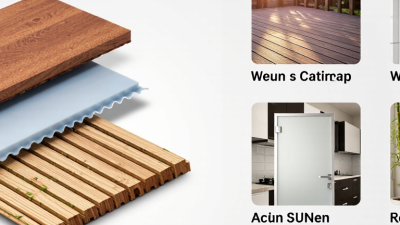
When you're picking a composite board in 2026, it’s really about matching the core material, surface finish, and how you plan to use it — not just about picking a color that looks good. For example, a deck that’s gonna sit in the summer sun, a bathroom wall that’s damp, or a lightweight cabinet door — they all have different needs. Some of the common options out there include wood-plastic composites (WPC), capped WPC, PVC-based boards, and bamboo-plastic mixes. Each type reacts differently to moisture, weight, heat, and how you handle fastening. The market's definitely expanding, but just because more products are available doesn’t automatically mean they’re all good quality. According to Grand View Research, the global market for wood-plastic composites was around $7.2 billion in 2023, and it’s expected to keep growing through 2030. That’s great news for more choices, but it doesn’t mean every board will be perfect for your project. When shopping, it’s smart to check out the manufacturer’s technical data — things like water absorption rates, load limits, UV resistance, and recommended installation spacing. Those small details really matter. A board that isn’t well supported can sag over time, even if it looks fine when you first install it. Dr. Amar K. Mohanty, a materials scientist known for his work on sustainable materials and bioproducts, points out a key thing: you should evaluate a composite throughout its entire lifecycle, not just by how much recycled content it has. This guide will walk you through the main types of boards, comparing them based on how they perform, how much maintenance they need, and where they’re best suited. If you’re after a wood-like look, you might also want to consider composite wood veneer — I’ve included a link for that. One thing to watch out for: product labels can sometimes hide important differences in their formulas. The right choice really depends on where your board will be used, how you plan to install it, and what compromises you’re willing to make.
Read more »
Lila By:Lila - September 25, 2026
7 Tips for Buying Softwood Ply in Bulk

7 Tips for Buying Softwood Ply in Bulk

Buying bulk softwood plywood can definitely help save on costs per unit, but only as long as the quality stays consistent. In real-world purchasing, the cheapest quote isn't usually the safest bet. Those few extra cents here and there? They can easily add up if the panels are warped, rejected, or cause delays during installation. This guide walks you through seven key checks every commercial buyer should keep in mind. We're talking about species, veneer grade, core construction, thickness tolerance, moisture levels, packaging, and how reliable the supplier is. All these details matter a lot—especially when you're dealing with a whole pallet of sheets. A sample might look fine under warehouse lights, but the whole shipment could end up with open knots, core gaps, rough edges, or a mix of grades. That’s why seasoned buyers always compare samples against written specs and inspection records. It's smart to have clear terms that cover sheet size, permissible defects, how returns or replacements work, and delivery timelines. And hey, always measure twice! Softwood plywood isn’t exactly the same across different mills, regions, or batches. It’s a good idea to ask for recent test data, certifications, and traceability info whenever possible. Trustworthy suppliers will be upfront about what limits there are—they won’t just promise perfect panels. Also, don’t forget to check how the panels are stored once they’re delivered. Exposure to rain, uneven stacking, or poor ventilation can really mess with panels that otherwise seem fine. Mdf Ply might work well for some interior projects, but don’t treat it like a one-to-one substitute without thinking about moisture resistance, strength, and finishing needs. The best purchase decisions come from balancing price, quality, logistics, and solid evidence. Even the most careful teams can miss damage during transit or overlook hidden inconsistencies in tolerance. So, build some buffer time into your inspection, questions, and review process.
Read more »
Ethan By:Ethan - September 21, 2026
China Best MDF Veneer Suppliers for Global Buyers?

China Best MDF Veneer Suppliers for Global Buyers?

Looking for the top MDF veneer suppliers in China for buyers around the world? Well, China is definitely still a heavyweight when it comes to sourcing MDF veneer and other engineered wood products. What makes it stand out? A bunch of stuff—large manufacturing hubs, flexible production setups, and easy access to decorative papers, natural veneers, and top-notch pressing machinery. But hey, don’t just assume that big scale = good quality. It's super important to dig a little deeper—things like core density, how well the veneer sticks, formaldehyde emissions, moisture resistance, and surface finish all matter a lot. According to FAO's Forestry Production and Trade database, global wood panel production stays above 350 million cubic meters each year, and China plays a huge role in that. The China National Forest Products Industry Association also highlights MDF as a core material used in furniture, cabinets, wall panels, and interior doors. All these numbers show China has serious industrial capacity, but remember—nothing beats checking out the actual factory when possible. As Dr. Roger M. Rowell, a wood composites expert, likes to remind us—‘wood is a renewable, biodegradable, and recyclable material.’ That’s a good point here. When sourcing responsibly, make sure you're getting legal timber documentation, FSC certification if needed, and transparent emissions data. Checking off standards like CARB Phase 2, EPA TSCA Title VI, or EN 13986 can really help you compare suppliers fairly on a global level. The best Chinese suppliers don’t just talk—they usually provide samples, detailed datasheets, batch records, and sometimes even give access to third-party inspection reports. And don’t forget to look closely at the edges—poor bonding is often obvious there first. A low price might seem attractive, but it could hide issues like uneven veneer thickness, unstable cores, or weak packaging. These details are easy to overlook but can cause a lot of headaches later. This guide takes a look at the top MDF veneer suppliers in China, comparing them based on product quality, transparency around compliance, export experience, ability to customize, and after-sales support. Just a heads-up—this ranking isn’t set in stone. Different buyers will have different priorities, and even the most reputable factories can be hit-or-miss across different product lines.
Read more »
Clara By:Clara - September 16, 2026
7 Best Bamboo Fiber Grille Suppliers for Global Buyers?

7 Best Bamboo Fiber Grille Suppliers for Global Buyers?

Picking a trustworthy Bamboo Fiber Grille supplier isn’t just about flipping through pictures or comparing prices online. You really need to dig a little deeper. Things like fiber consistency, how dense the panels are, resin choices, surface finish, and documented performance all matter a lot. Sure, that grille might look perfect on the website, but once you cut it or see it under showroom lighting, you might notice uneven edges or color shifts. Those little details can make a big difference—whether it’s for retail displays, hotel interiors, vehicle cabins, or architectural ventilation panels. In this guide, I’ve rounded up seven Bamboo Fiber Grille suppliers and looked at things from a practical purchasing angle. I considered how long they’ve been in the game, their ability to customize, the quality of samples, packaging for export, how fast they respond, and the quality of their technical info. I also looked into fire resistance, moisture resistance, info on formaldehyde, and tolerances — but only when suppliers provided solid evidence. As Dr. Walter Liese, a well-respected bamboo researcher, once said, “Bamboo is a grass, not a tree.” That’s a key point because bamboo fibers act differently from regular wood during processing. Now, let’s be real — nobody’s perfect. Some suppliers might offer nice textures but have limited testing info. Others might have better documentation but require bigger orders. So, it’s smart to ask for recent samples, detailed specs, and honest answers about what's really in the fiber. Don’t be shy to ask tough questions upfront — it can save you from costly surprises later on. The best options are those that are open about what they can deliver and honest about their limitations. They clearly explain what their Bamboo Fiber Grille can do and what it can’t. This review is mainly for importers, designers, contractors, or distributors who want reliable partners around the world. I don’t see a low price as a guarantee of quality; instead, I focus on how the finished product looks, backed by proof of good manufacturing, reliable service, and suitability for long-term projects. Sounds a bit cautious? Maybe. But honestly, that’s what you need to avoid headaches down the line.
Read more »
Clara By:Clara - September 13, 2026
10 Tips for Choosing Laminated Ply Suppliers

10 Tips for Choosing Laminated Ply Suppliers

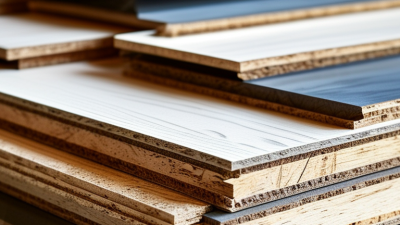
Picking a Laminated Ply supplier isn’t just about the price on the tag—it really influences the overall strength of your product, how good the surface looks, whether deliveries stay on schedule, and ultimately, whether your customers trust you in the long run. Sometimes, a shiny sample can hide issues like inconsistent core layers, uneven glue lines, or weak spots on the edges. So, you can’t just go by a fancy brochure or a slick sample; you need real, practical proof when evaluating suppliers. Dr. Gene Wengert, a well-respected expert in wood products, often reminds folks, “Wood isn’t a uniform material—it's biological.” That really hits home when you're comparing suppliers. Things like the type of timber, moisture content, veneer thickness, and pressing conditions can all vary from batch to batch. Reliable companies like Columbia Forest Products and Roseburg Forest Products usually publish clear technical info and have solid quality systems in place. But don’t forget—ask for recent test reports, actual samples, and batch records. Don’t rely solely on their catalogs or promotional materials. Take a good look at the products. Check how flat they are under normal light. Inspect the edges for voids or weak spots. Ask how they control moisture before pressing, and make sure their formaldehyde emissions, thickness tolerances, and strength ratings fit what your project needs. This is especially important when comparing Laminated Ply to MDF Plywood because these materials behave differently during cutting, loading, and finishing processes. Also, keep in mind that a supplier might give you quick answers but still be inconsistent with actual deliveries—happens more often than you'd think. A low price might also mean they’re using thinner veneers, doing less inspection, or dealing with unstable logistics. The trick is to find a supplier who offers good certifications, lots of factory experience, clear communication, and support for fixing issues when they come up. This guide shares ten practical tips to help you choose a Laminated Ply supplier with less guesswork and more solid evidence. Sure, mistakes can still happen, but asking the right questions can save you a lot of headaches and money in the long run.
Read more »
Ethan By:Ethan - September 10, 2026
10 Best Roof Ply Options for Global Buyers?

10 Best Roof Ply Options for Global Buyers?

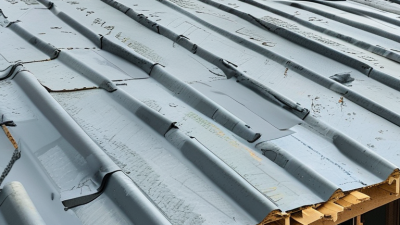
Picking out the right Roof Ply isn’t just about scanning prices or glancing at fancy product images. Honestly, you’ve got to dig a bit deeper—consider factors like the structural grade, veneer quality, moisture resistance, thickness consistency, and whether the manufacturer has a solid track record of quality controls. Keep in mind, that roof panel will face all kinds of weather—heavy rain, blaring sun, fluctuating temperatures—and it might get handled a bunch before it even goes up. All these conditions can quickly reveal any weak spots in the core. So, really, choosing the right ply means taking into account local building codes, your roof’s design, how it’s being delivered, and whether your team has the right skills to install it properly. In this guide, I’ve rounded up ten solid options for international buyers looking for Roof Plys. We’ll look at stuff like how they’re built, how well they bond, the surface finish, edge stability, and whether they’re good for both covered or exposed applications. Products that come with verified test reports and clear production records are worth paying attention to. Just a heads-up though—certification labels can vary depending on the market, so don’t blindly trust them. Always double-check the latest documents directly with your supplier. You might see MDF ply advertised as a cheaper option, but standard MDF isn't usually suitable for exposed roofing unless it’s specially engineered or approved. Now, no product is perfect. Even the best panel can perform poorly if it’s stored wet or installed with the wrong fasteners—that’s a detail that’s easy to overlook but super important. In the end, your choice should be based on how well it performs, how easy it’s to get, the total cost (including shipping), and the kind of support you can count on. Experienced buyers often request samples, check the panel edges, and verify moisture ratings before making big orders. It might seem like extra hassle, but these little steps can save you from costly replacements down the line. So, think of this as a practical starting point for comparing roof plywood options, especially when considering different climates, supply chains, and construction needs.
Read more »
Lila By:Lila - September 7, 2026
Top 10 China Exterior Ply Products for Global Buyers?

Top 10 China Exterior Ply Products for Global Buyers?

Lately, the market for Exterior Ply has really taken off. Globally, buyers are on the lookout for high-quality, durable options, and many are turning to China because of the top-notch products there. Experts often point out how important it is for these materials to be strong and weather-resistant. John Smith, who’s pretty well-known in the wood industry, once said, “The right exterior ply can totally transform your outdoor spaces.” It’s quite true—matching the right material can make a big difference. China’s manufacturing power definitely adds to the appeal of exterior ply options. People appreciate the wide range of finishes and sizes available—there’s usually something for every need. Companies like Great Wood Supply are doing a pretty good job offering high-quality products suited for different projects, which is great because it helps cover even the most specific requirements. But, let’s be honest, it’s not always straightforward. Figuring out the difference between quality levels can be pretty tricky. Sometimes, buyers get products that don’t quite live up to expectations, which can be super frustrating. That’s why quality control is an area where things still need improvement. The key is for buyers to be informed—knowing what to look for can really help them avoid issues. Reflecting on past experiences also helps make smarter choices next time around. As demand for Exterior Ply keeps climbing, manufacturers really need to step up and maintain high standards to meet what customers expect.
Read more »
Clara By:Clara - August 27, 2026
How to Choose Timber Veneer Panels for Your Projects?

How to Choose Timber Veneer Panels for Your Projects?

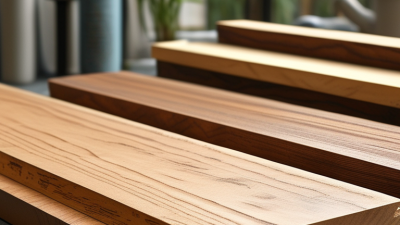
When you're starting a project that’s all about adding a touch of elegance, picking the right materials is a pretty big deal. You might want to check out Timber Veneer Panels — they’re super popular because they look great and are pretty versatile. These panels can really change the vibe of any space, making it feel warm, cozy, and inviting. But honestly, choosing the perfect type of timber veneer isn’t as simple as you might think. Each kind has its own unique grain and color, and those little differences can really influence the overall look you're going for. So, how do you pick the right one? Well, it helps to think about what you want the project to achieve. Are you going for a rustic, laid-back feel or a sleek, modern style? The characteristics of different timber veneers can either boost your design or kind of clash with it — so it’s worth giving it some thought. Looking back on past projects or experiences can also give you some ideas of what worked best. And don’t be shy about chatting with experts at reputable suppliers; their advice can really make the decision a lot easier. Keep in mind, not every veneer is built for every environment. Some might warp or fade if they’re exposed to certain conditions over time. That’s why it’s super important to consider durability and opt for high-quality products. When you do it right, choosing the right timber veneer panels can really make or break your project’s success. So, approach it with a bit of care and some good advice, and you'll end up with a result you’re happy with.
Read more »
Lila By:Lila - August 23, 2026
Best Wall Liner Options for Your Next Project?

Best Wall Liner Options for Your Next Project?

Thinking about your next renovation? Picking the right wall liner actually matters more than you might think. I read somewhere—well, a report from The Freedonia Group—that the market for wall liners is expected to grow by over 3% each year up until 2025. That kind of steady growth shows people are really craving options that look good and last long. Homeowners and builders are both looking for materials that are not just pretty but also resistant to moisture and wear and tear. Now, choosing the right wall liner can be a bit of a headache. There’s a lot to consider—stuff like what material you’re going with, how it's installed, and what kind of upkeep it’ll need over time. For example, vinyl liners are super popular because they’re budget-friendly and easy to keep clean. On the flip side, fabric options can add a cool, textured look, but they might need a little more TLC. Honestly, it’s best to think about what your specific project needs rather than just jumping on whatever’s trendy right now. Even with all the new tech and options out there, wall liners still have their quirks. Some materials don’t do so well in really humid places, and that can cause issues down the road. Plus, installing them isn’t always straightforward. Hiring a pro might seem like an extra expense, but it often pays off by ensuring everything looks great and holds up as it should. At the end of the day, balancing how it looks with how well it functions is key—so making well-informed choices is really worth it for a successful renovation.
Read more »
Clara By:Clara - August 19, 2026