So, when you're starting up a new project, picking the right materials can make all the difference. You might want to check out Mdf Veneer Panels. Honestly, these panels can really boost both how things look and how well they work. They're super versatile, offering a lovely mix of style and practicality. Plus, you can find them in different finishes, so it’s easy to tweak things to match your vibe.
That said, choosing the perfect Mdf Veneer Panels can sometimes feel pretty overwhelming. Don’t skimp on quality—what looks good on the surface might not hold up in real life. It’s a good idea to think about durability just as much as looks. And heads up—pay attention to what’s behind the panel too, since that really affects how everything performs in the long run.
Honestly, Mdf Veneer Panels can be pretty budget-friendly for a lot of projects. But here’s the thing—not all suppliers are equal. It’s worth doing a bit of homework before you buy. A little digging can really lead you to some solid, high-quality options. And looking back at past choices? That can help you steer clear of common mistakes and make smarter calls next time.
Understanding MDF Veneer Panels: Key Characteristics and Benefits
MDF veneer panels have gained popularity due to their unique characteristics. These panels are made from medium Density Fiberboard (MDF) covered in a layer of natural wood veneer. This combination offers a more affordable alternative to solid wood, without sacrificing aesthetics. According to industry reports, the global MDF market is projected to grow significantly, driven by demand for eco-friendly materials and cost-effective solutions.
When selecting Mdf Veneer panels, consider the thickness of the veneer. Thicker veneers provide better durability, allowing for sanding and refinishing. A thickness of 0.5mm or more is generally recommended. Also, check the quality of the veneering process. Poorly applied veneers can result in peeling or discoloration over time.
Tip: Always request samples before making your final decision. This helps you assess color, grain, and overall quality. It’s essential to visualize how the wooden veneer panels will complement your project. Some manufacturers offer customization options, enabling you to select specific grains or finishes.
A recent survey revealed that over 70% of designers prefer MDF veneer panels for their projects due to versatility. However, some users have reported quality inconsistencies. This issue highlights the importance of choosing reputable suppliers. With careful selection, MDF veneer panels can elevate your design while remaining budget-friendly.
Top Tips for Choosing MDF Veneer Panels for Your Projects
| Characteristic | Description | Benefits |
| Durability | MDF veneer panels are sturdy and resistant to wear. | Long-lasting performance and less frequent replacement. |
| Aesthetic Appeal | Available in a variety of wood grains and finishes. | Enhances the visual appearance of projects. |
| Cost-effectiveness | Generally more affordable than solid wood options. | Budget-friendly for various projects. |
| Ease of Workability | Can be easily cut and shaped using standard tools. | Saves time and effort during construction. |
| Environmental Impact | Made from recycled wood fibers and eco-friendly adhesives. | Sustainable option for environmentally conscious projects. |
Factors to Consider When Selecting MDF Veneer Panels for Your Projects
When selecting MDF veneer panels, several factors come into play. First, consider the wood grain and finish. Different veneers offer unique appearances, which can enhance any project. A natural wood look can bring warmth to a space, while a contemporary finish might suit modern design. Pay attention to the texture and pattern of each panel, as these elements can drastically alter the final outcome.
Durability is another critical aspect. MDF veneer panels should withstand wear and tear over time. Look for thickness and quality in construction, as thinner panels may not hold up well in high-traffic areas. Additionally, think about the resistance to moisture and temperature changes. Some veneers might expand or warp under certain conditions, affecting their longevity.
Don’t overlook the environmental impact. Sourcing sustainably produced panels can lead to a better choice for the planet. Reflect on how your selection fits within this context. Accessibility also matters; finding local suppliers can save time and shipping costs. Choose wisely, and be mindful of what truly meets both your aesthetic and practical needs.
Types of Veneers: Recognizing Different Finishes and Styles
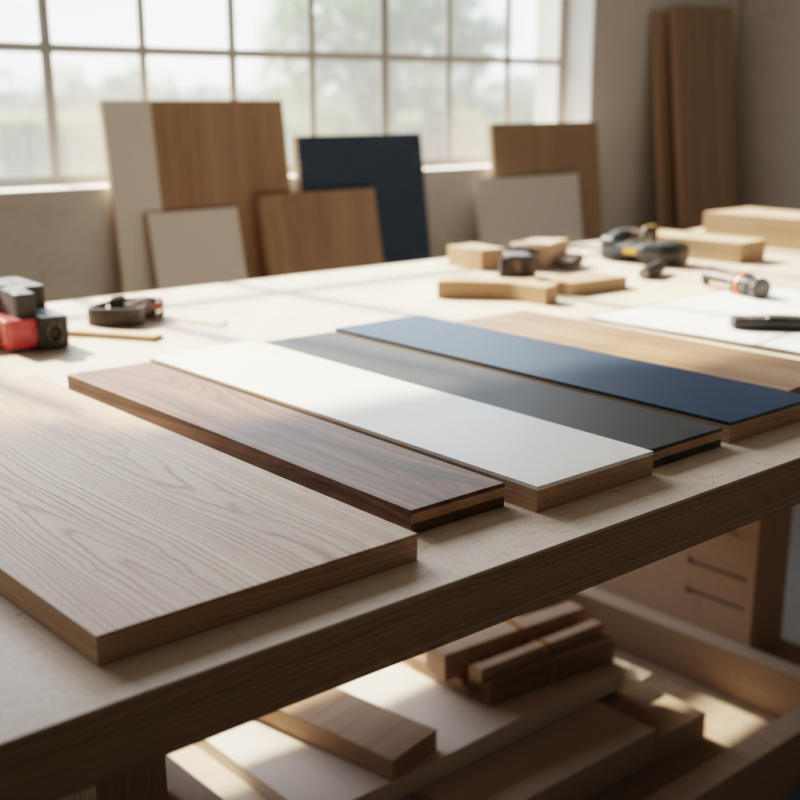
When selecting MDF veneer panels, understanding the various finishes and styles is crucial. Different types of veneers can significantly impact the overall aesthetic of your project. For example, natural wood veneers highlight unique grain patterns. In contrast, colored or textured veneers provide a more contemporary look. According to a recent design trends report, 70% of interior designers prefer natural finishes for their warmth and versatility.
Maintaining personal style while considering practicality is essential. Some finishes, like high-gloss, might appeal visually but can show fingerprints easily. Textured finishes might conceal wear and tear. However, they can also be challenging to clean thoroughly. In fact, a survey indicated that 65% of homeowners regret not focusing on maintenance during their selection process.
Another aspect to consider is matching veneers with your project's overall theme. Some might prefer Timber Veneer Panels for their eco-friendliness and authentic appearance. Yet, achieving a cohesive look can be tricky. With so many options, it's easy to get lost. Balancing aesthetic appeal and practical needs is key, making the decision-making process more complex than it seems.
Evaluating Durability and Performance of MDF Veneer Panels
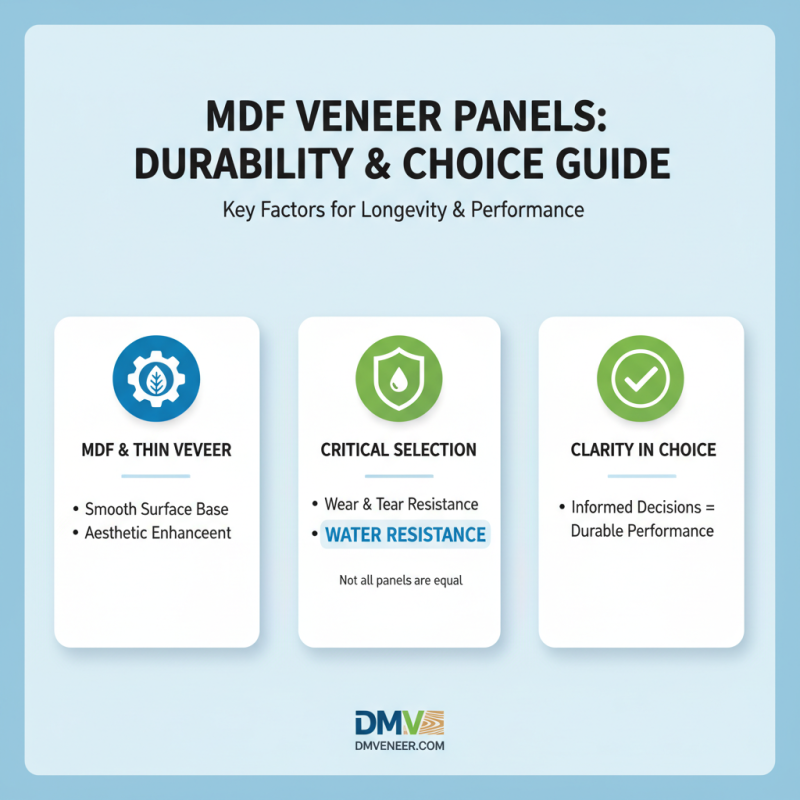
When evaluating the durability and performance of MDF veneer panels, clarity in choice matters. MDF, known for its smooth surface, works well with Thin Wood Veneer Panels. They enhance aesthetics but need careful selection to withstand wear and tear. Water resistance is a critical factor. Not all MDF veneer panels are made equal in this regard.
Consider the environment where the panels will be used. Panels in humid spaces may face challenges. Look for specifications that indicate durability against moisture. Additionally, think about the finish. A robust topcoat can significantly improve the lifespan of thin wood veneer panels. It's essential to choose finishes that are compatible with both MDF and the veneer.
Reflect on the weight of the veneer as well. Heavier pieces might not adhere well to lighter MDF bases. Thin wood veneer panels can sometimes warp or peel if not properly supported. Testing samples in your project setting can reveal unexpected issues. Understanding the performance under real-life conditions can guide your decision-making process effectively.
Cost Considerations: Budgeting for MDF Veneer Panel Projects
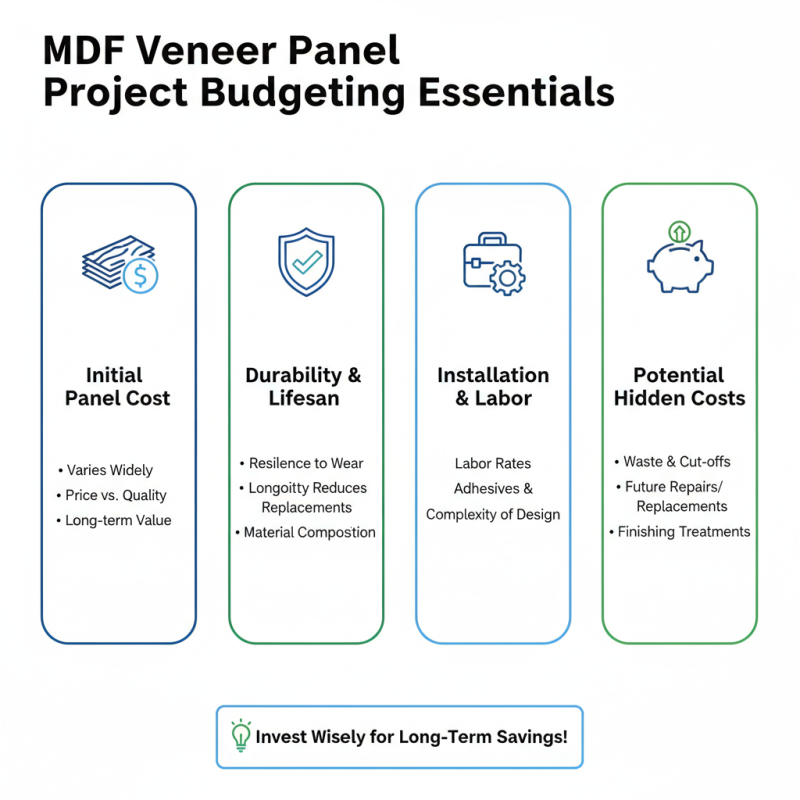
When budgeting for MDF veneer panel projects, it’s crucial to factor in several key elements. The initial cost of the panels can vary widely. You might find lower-priced options, but these could compromise quality. It's essential to weigh the cost against the expected lifespan and durability. Poor choices can lead to increased expenses down the line, especially if replacements are needed.
Consider additional costs as well. Installation, finishing, and maintenance can add up. Hiring a professional may elevate the budget significantly. However, DIY methods could save you money, but they require skill and time. Inadequate skills might result in mistakes, causing waste and frustration. Reflect on whether you have the expertise needed for self-installation.
Don’t overlook the importance of planning. Create a detailed list of all potential expenses. This list should include materials and any necessary tools. It's easy to underestimate costs early on, leading to unexpected financial strain later. Anticipate the need for extra funds for unforeseen issues. Being proactive in budgeting prepares you better for any project hiccups.
Sustainability and Environmental Impact of MDF Veneer Choices
When selecting MDF veneer panels, it’s essential to consider their environmental impact. MDF is often made from recycled wood fibers, offering a sustainable choice for many projects. However, not all MDF is created equal. Some production processes can release harmful chemicals, affecting air quality. Be mindful of the sourcing and manufacturing practices of the panels you choose.
Tips for selecting MDF veneer include checking for certifications. Look for eco-labels that ensure sustainable forest management. This choice supports responsible sourcing. Additionally, consider the finish of the veneer. Water-based finishes are more eco-friendly than solvent-based options. These reduce harmful emissions during and after installation.
Moreover, think about the end-of-life disposal of the MDF panels. Recycling facilities may accept certain types of MDF, reducing landfill waste. Yet, many cannot recycle highly composite materials. It's important to reflect on how your choices affect the environment long-term. Quality and longevity also matter; investing in better panels means fewer replacements. Establishing good habits in material selection leads to a more sustainable future.
Proper Maintenance and Care for MDF Veneer Panels
MDF veneer panels are popular for their versatility and aesthetic appeal. However, proper maintenance is key to ensuring their longevity. Preventative care can save you time and money in the long run. Basic cleaning should be done regularly. A soft, damp cloth is often sufficient. Avoid harsh cleaners to prevent damage.
Humidity can be a significant concern for MDF veneer panels. They can warp if exposed to excessive moisture. It’s wise to keep such panels in environments with stable humidity levels. Use dehumidifiers or humidifiers as necessary. When leaks occur, address them immediately to prevent water damage.
Despite your best efforts, imperfections may arise. Scratches or dents can diminish their appearance. Simple touch-up paint or repair kits can help. Regular inspections are essential. Looking for signs of wear provides opportunities for timely interventions. With a little effort, you can maintain the beauty of your Prefinished Wood Veneer Panels for years to come.
Exploring the Versatility and Applications of Wood Veneer Substrates in Design and Manufacturing
Wood veneer substrates have emerged as a transformative material in the realms of design and manufacturing, offering a blend of aesthetic appeal and functional performance. With advancements in technology, wood veneer provides the natural beauty of wood along with the versatility needed for modern applications. Its rich selection of substrates caters to various design requirements, making it a popular choice among architects and interior designers looking to enhance spaces.
Among the available options, density boards stand out for their uniform texture and ease of manipulation. This substrate is ideal for projects demanding precise detailing, making it a staple in high-end decorative applications. On the other hand, multi-layer solid wood boards are celebrated for their exceptional stability and resistance to deformation, ensuring longevity and durability in diverse environmental settings. This feature makes them suitable for all types of spaces, from residential to commercial.
For more budget-conscious projects, particleboards offer an economical yet dependable solution. Known for their sound absorption and heat insulation properties, particleboards are widely used in practical decoration where cost-effectiveness is key. As the versatility of wood veneer continues to unfold, its applications in design and manufacturing remain limitless, enhancing both functionality and visual appeal in various projects.
FAQS
: The product aims to provide users with convenience and efficiency in daily tasks.
Anyone looking to streamline their workflow can find value in it.
It reduces time spent on repetitive tasks, allowing for more focus on important work.
Some users have noted that it may not fit every unique situation perfectly.
Users can access online resources, including tutorials and community forums for help.
Integration is usually straightforward, but some users may face initial challenges.
Key features include automation capabilities and customizable settings to enhance user experience.
Many users appreciate the option to test the product before committing fully.
Some users may require time to fully understand all functions effectively.
User suggestions are often considered for improving the product in future versions.
Conclusion
When selecting MDF veneer panels for your projects, it's essential to understand their key characteristics and benefits. These panels offer a smooth, aesthetically pleasing surface and can be an excellent choice for various applications. Factors such as the type of veneer finish and style, as well as the panels' durability and performance, play a critical role in making the right choice. Additionally, budgeting is crucial, as costs can vary significantly based on the quality and type of MDF veneer panels selected.
Furthermore, sustainability should not be overlooked. Choosing environmentally friendly options can positively impact your projects while also meeting modern standards for sustainability. Finally, proper maintenance and care of MDF veneer panels can extend their lifespan and preserve their appearance, making informed selections even more valuable for long-term use.

 1Durch die gruppenweite Einführung und Harmonisierung unseres integrierten Managementsystems (IMS) werden alle bestehenden Unternehmens-, Qualitäts-, Umwelt- und Energiepolitiken durch diese Unternehmenspolitik ersetzt. Der Slogan „Textil hat Zukunft – auch in De