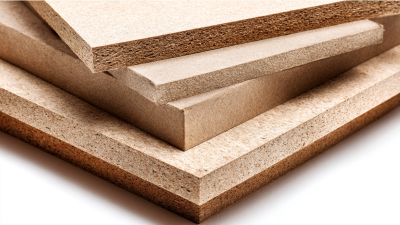
With the 2026 Canton Fair just around the corner, folks in the global buying scene are pretty excited about what’s new in Plywood. Industry insiders are predicting some serious growth in this market, mainly because demand in construction and furniture sectors keeps climbing. Actually, it’s estimated that the worldwide Plywood market might hit a staggering $100 billion by 2027, growing at around 6.5% annually. That’s a big deal! It really highlights how important innovative materials like Mdf Plywood are becoming—combining toughness with eco-friendliness is kinda the way to go these days.
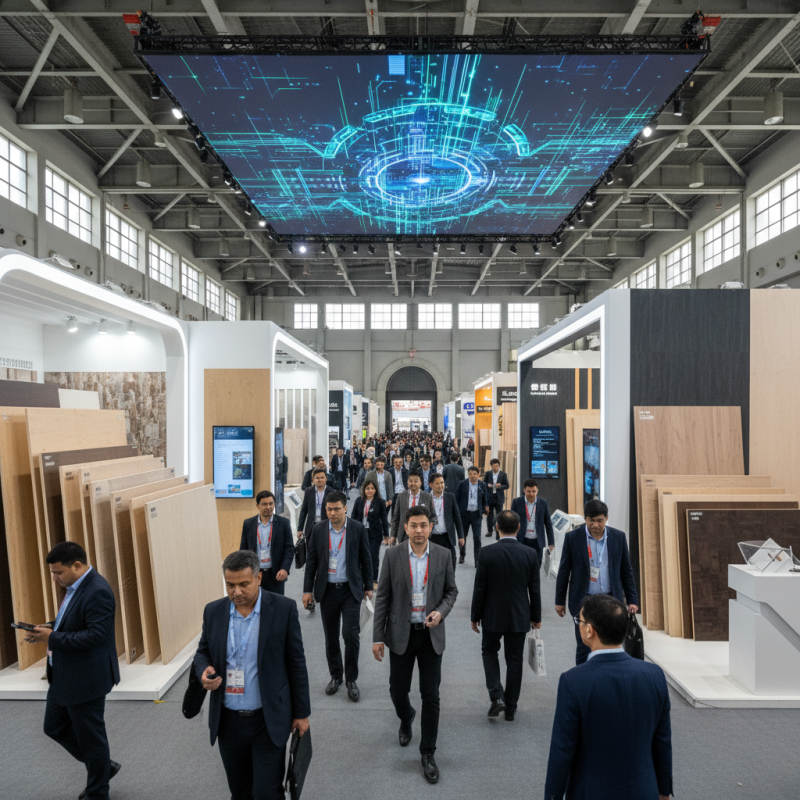
The Canton Fair, happening from April 15 to May 5, 2026, is set to be a showcase of the latest in Plywood technology and design. One of the coolest things about it? They’re integrating AI-powered search tools to help buyers find what they need faster and easier. This means identifying suppliers that actually meet quality standards, like ISO or CE, becomes much less of a hassle. The event itself covers more than 1.55 million square meters—talk about a huge variety of Plywood options and new innovations.
That said, it’s not all smooth sailing. The market’s been evolving, and not all suppliers are consistent when it comes to quality. It can get pretty tricky to tell the difference between top-notch materials and some lower-grade stuff. So, as buyers prepare for the Fair, they really need to do their homework—being diligent and aware of the potential pitfalls, especially when sourcing Mdf Plywood. Paying close attention to details will be key to making smart, informed choices among all those options on offer.
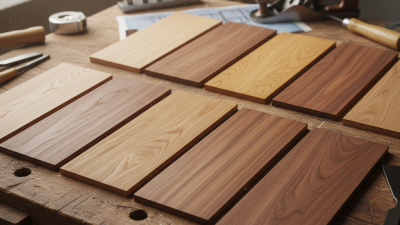
The 2026 Canton Fair will showcase a variety of emerging plywood styles. Buyers can expect to see innovative designs that challenge traditional aesthetics. Unique textures and patterns are gaining popularity. One standout is Ash Plywood, which offers a light color with distinctive grain patterns. It can transform spaces with its natural charm and versatility.
Exhibitors at the fair are experimenting with eco-friendly finishes. This focuses on sustainability without compromising quality. Some newcomers are integrating technology into plywood production. Digital printing on Ash Plywood could createcustom designs. However, the challenge lies in ensuring durability and maintaining an eco-friendly process.
Trends are also shifting towards multifunctionality. Plywood pieces that serve as furniture and art are on the rise. Buyers might notice atypical shapes and innovative uses. While these styles reflect modern tastes, they can sometimes lack the warmth of traditional designs. It’s crucial to balance aesthetics with functionality and authenticity.
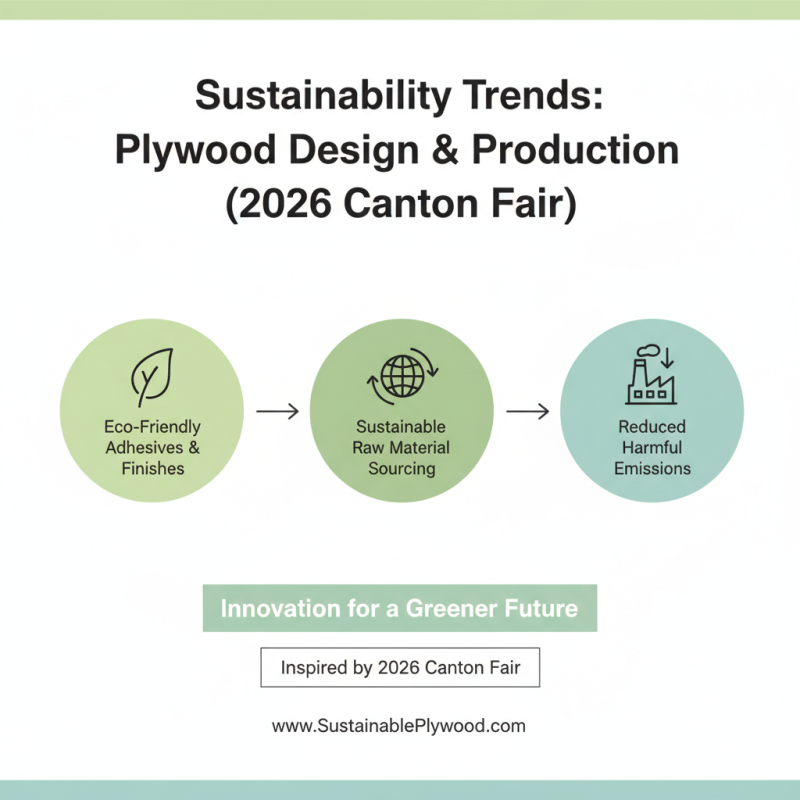
The 2026 Canton Fair promises to showcase innovative plywood designs inspired by sustainability trends. Environmental awareness is reshaping production techniques and raw material sourcing. More manufacturers are opting for eco-friendly adhesives and finishes. This shift helps reduce harmful emissions during production processes.
Designers at the fair will highlight creative uses of recycled materials. Plywood made from reclaimed wood or post-consumer products is becoming popular. These materials not only reduce waste but also add unique aesthetics to the final products. However, the challenge lies in maintaining quality and durability while prioritizing sustainability.
Many companies still struggle to balance cost and environmental responsibility. The demand for high-quality, sustainable plywood can sometimes drive prices up. Finding cost-effective solutions while adhering to eco-friendly standards is vital. Buyers should pay attention to these dynamics at the fair. Engaging with manufacturers' practices can lead to valuable insights.
The plywood industry is experiencing significant changes, driven by innovative technologies. Advanced machinery is making plywood production more efficient. This results in reduced waste and lower costs for manufacturers. For instance, automated cutting systems are replacing traditional methods. These systems improve precision and speed, allowing for better product consistency.
Digital tools are also influencing the way Ply Plywood is designed and tested. Virtual reality simulations enable designers to visualize their products in realistic settings. This accelerates the design process and minimizes costly mistakes. However, not all companies are adapting quickly. Some still rely on outdated techniques, which could hinder their competitiveness.
Sustainability remains a challenge as well. While many companies aim to use eco-friendly materials, the reality is complex. Sourcing sustainable timber is not always easy. Furthermore, the life cycle of Ply Plywood should be considered. Balancing innovation with environmental responsibility is crucial. As the Canton Fair approaches in 2026, these trends will shape discussions among global buyers.
As the 2026 Canton Fair approaches, global buyers are eyeing key markets for plywood. Recent reports indicate a robust demand for Teak Plywood across emerging markets in Asia and Africa. The Asia-Pacific region is projected to grow at a rate of 7% annually, driven by increased construction activities. Urbanization in countries like India and Vietnam boosts plywood consumption, especially for furniture and flooring.
In North America, the preference for sustainable materials influences purchasing decisions. Buyers are looking for eco-friendly options, pushing prices of premium woods like Teak Plywood higher. A study found that 54% of consumers prioritize sustainability in their purchases. This shift creates opportunities and challenges for suppliers. The variability in consumer demand calls for flexibility in stock management.
However, supply chain issues may hinder market growth. Disruptions in logistics and shipping delays pose risks. Suppliers must navigate these complexities to meet buyer expectations. Maintaining quality while ensuring timely delivery is crucial. The 2026 Canton Fair will be a crucial platform for showcasing innovations and addressing these challenges.
As global buyers prepare for the 2026 Canton Fair, plywood pricing trends are under scrutiny. Recent data shows fluctuations in prices over the past year. Various factors contribute to this volatility. Changes in raw material costs, transportation fees, and demand dynamics all play a role.
Buyers must consider regional differences in pricing. Some markets experience higher costs due to local conditions. In contrast, others may offer competitive rates. This disparity can influence purchasing decisions significantly. It's vital for buyers to analyze these trends closely.
Reflecting on past purchases can yield valuable insights. For instance, buyers often regret not securing deals earlier when prices were lower. Conversely, some have over-invested, leading to inventory challenges. This ongoing analysis can guide future strategies and mitigate risks in an unpredictable market. Each decision carries weight in a complex landscape.
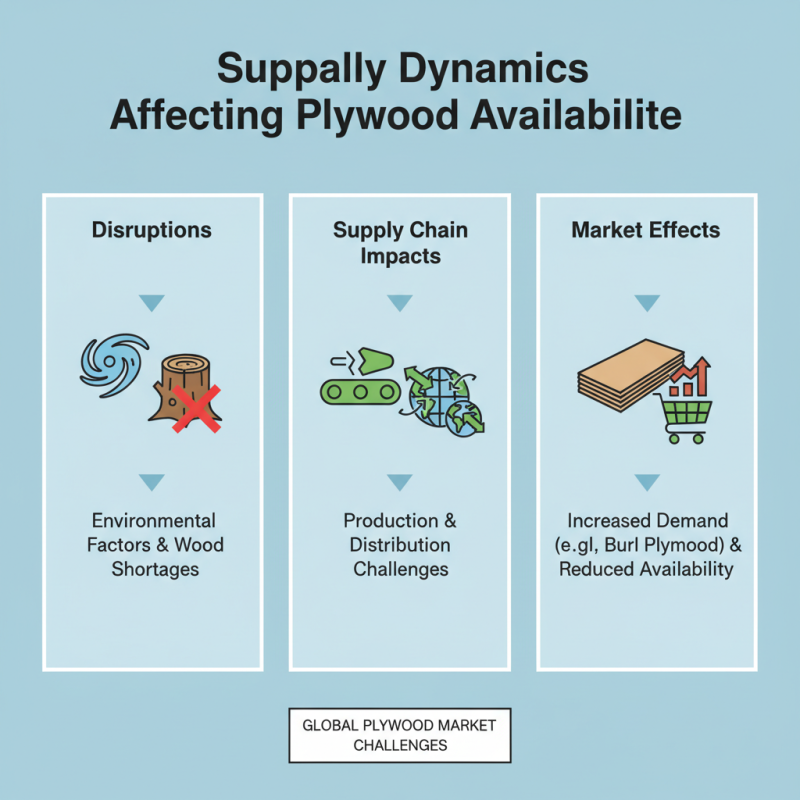
The global plywood market is facing several challenges that affect availability. Supply chain dynamics are shifting rapidly, impacting the production and distribution of plywood. Disruptions due to environmental factors have led to wood shortages. For example, the demand for Burl Plywood has surged, but supply has not kept pace.
Transport issues also play a significant role. Shipping delays and increased costs hinder timely access to materials. Many buyers report frustration with long wait times, which affects project timelines. Some wonder if local sourcing could ease this pressure and promote sustainability.
Market trends indicate a potential shift in priorities. Buyers may need to balance quality with availability. Exploring alternative materials or designs could lead to innovative solutions. Adapting to these changes is essential for success in the evolving plywood landscape.
The Canton Fair in 2026 is shaping up to be a pivotal event for global buyers. One of the key highlights is the extensive networking opportunities available. Attendees can meet industry peers and forge new partnerships. This is crucial in the ever-evolving plywood market. Buyers can engage in meaningful conversations that might lead to fruitful collaborations.
Networking is not just about exchanging business cards. It’s about building genuine relationships. Workshops and seminars will provide insights into market trends. It’s a chance to learn from experts and understand the latest innovations. These interactions are invaluable for shaping future business strategies. However, not every conversation will yield immediate results. Some may feel awkward or forced. This is a natural part of the networking process.
The fair poses challenges too. Finding the right people among thousands can be daunting. Some might struggle to make connections. It is essential to approach networking with an open mind. Embrace the uncertainties and be willing to step out of your comfort zone. Opportunities often arise in unexpected places. Engaging in discussions can lead to surprising outcomes that benefit both buyers and suppliers.
: The fair will feature innovative designs, unique textures, and patterns in plywood, challenging traditional aesthetics.
Ash Plywood is recognized for its light color and distinctive grain patterns, adding natural charm to spaces.
Exhibitors are experimenting with eco-friendly finishes, striving for sustainability while ensuring quality in their products.
Yes, some producers are using digital printing on Ash Plywood for custom designs, though durability remains a challenge.
Plywood is increasingly used as both furniture and art, displaying atypical shapes and innovative functionalities.
While modern designs are trendy, they sometimes lack the warmth and authenticity of traditional styles, leading to a challenge in balance.
Attendees can meet industry peers and build partnerships, enriching their connections within the evolving plywood market.
Genuine relationships matter more than business cards. Expect some awkward moments; it's a natural part of the process.
Finding the right contacts among thousands can be challenging, and not every conversation will be fruitful.
Approach networking with an open mind and step out of your comfort zone; opportunities may arise where least expected.
The 2026 Canton Fair is set to showcase emerging plywood styles that reflect contemporary design trends and consumer preferences. Sustainability is a key driving force, influencing both the design and production processes of plywood, as manufacturers adopt eco-friendly practices to meet global demands. Innovative technologies are also playing a significant role in plywood manufacturing, enhancing efficiency and product quality.
Moreover, this year's fair will highlight key global markets for plywood buyers, offering insights into pricing trends and supply chain dynamics that affect availability. Attendees can expect valuable networking opportunities, allowing them to connect with industry leaders and peers, ultimately enhancing their understanding of market directions and plywood innovations.