When it comes to global sourcing, snagging the right plywood at the right price is more important than ever. With the construction spree happening around the world, demand for plywood has skyrocketed. Actually, according to the Global Wood Markets Report, the plywood market might hit around $80 billion by 2025—that’s a huge number! Big players like Georgia-Pacific and Weyerhaeuser emphasize just how crucial it is to source quality materials.
But here’s the thing: understanding your options, like Mdf Plywood, can get pretty complicated. Sometimes buyers overlook regional differences or how the plywood is made, which can be a big mistake. Some countries produce higher-grade plywood that's essential for stuff that needs to last, but not every supplier out there ticks all the boxes in terms of industry standards. That’s where doing a thorough check really pays off.
And let’s not forget about sustainability — it’s becoming a dealbreaker. The Forest Stewardship Council (FSC) places a big emphasis on eco-friendly sourcing, and ignoring these factors can cause serious environmental and financial headaches. Ultimately, succeeding in global sourcing isn’t just about finding the cheapest option; it’s about paying attention to quality, reliability, and making sure your suppliers are playing it fair ethically. Honestly, it’s all about being diligent and not cutting corners if you want it to work out in the long run.

Understanding Plywood Types and Specifications for Global Sourcing
When sourcing plywood globally, understanding types and specifications is essential. Plywood varies widely, primarily in its construction and grading. The International Wood Products Association suggests that the right plywood choice hinges on these factors. For instance, structural plywood is often preferred for construction, while decorative plywood is geared toward furniture.
Differentiating grades is crucial. A grade indicates the visual quality of plywood. Higher grades show fewer defects but cost more. According to a 2022 report from the Wood Products Council, 70% of buyers reported misjudging plywood grades, leading to project delays. This highlights the need for clarity in sourcing decisions.
Specifications such as thickness, density, and moisture content also matter. For instance, a typical commercial plywood thickness ranges from 3mm to 25mm. Buyers sometimes underestimate the importance of moisture content, which can affect durability. A higher than recommended moisture level can lead to warping. It’s essential to consult technical data sheets when evaluating options. Mistakes often stem from a lack of attention to detail, underscoring the need for thorough research.
Evaluating Supplier Credentials and Certifications in Plywood Procurement
Evaluating supplier credentials is crucial in plywood procurement. A supplier's experience in the industry can significantly impact the quality of products. Look for companies with at least five years of proven service. This indicates they have navigated challenges and built a reputation.
Certifications play an essential role too. Recognized standards like FSC and PEFC ensure sustainability and ethical sourcing. These certifications assure buyers of the product's environmental impact. Always request copies of these documents to verify compliance.
However, not all suppliers will provide transparent information. It can be frustrating to sift through claims without clear proof. In such cases, second-hand references and reviews become vital. Speaking to previous clients can offer insights into reliability. Evaluate their communication responsiveness. A supplier that is slow to respond might not prioritize your needs. Take your time with this process; thorough vetting is key to successful sourcing.
Plywood Supplier Evaluation Criteria
| Criteria | Details | Importance (1-5) |
| Certification Standards | ISO 9001, FSC, CARB compliant | 5 |
| Production Capacity | Monthly output and scalability | 4 |
| Delivery Performance | On-time and accurate delivery rates | 5 |
| Customer References | Reviews and case studies | 4 |
| Quality Assurance | Testing procedures and quality control | 5 |
| Sustainability Practices | Use of eco-friendly materials | 3 |
| Pricing Model | Cost competitiveness and payment terms | 4 |
Assessing Quality Standards and Testing Methods for Plywood Products
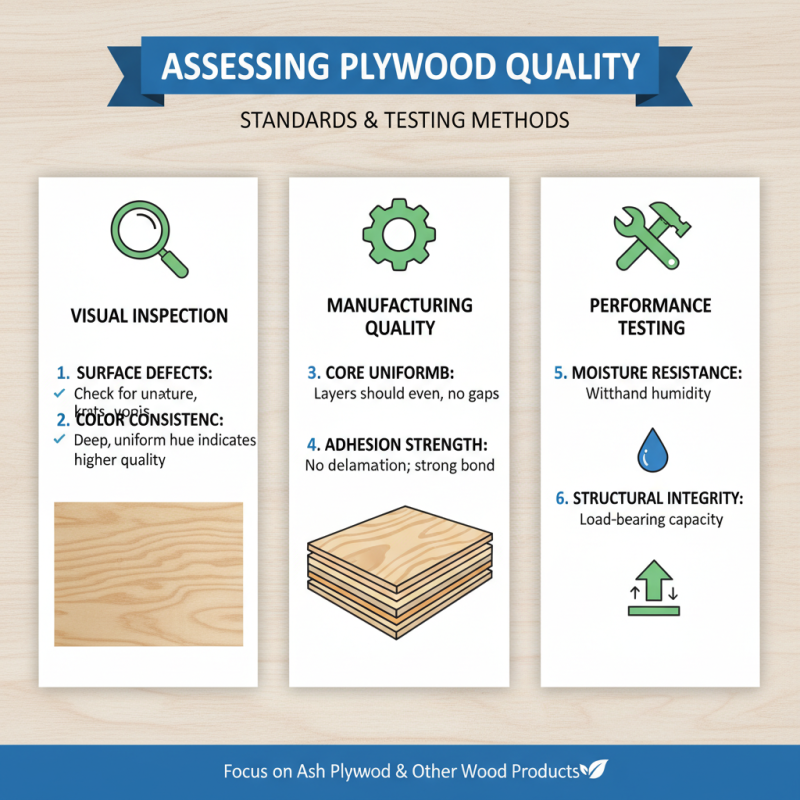
When sourcing plywood products, quality standards are paramount. Evaluating materials like Ash Plywood requires a keen eye. Inspect the surface for defects. Uneven textures can indicate poor manufacturing. Depth of color also matters. A consistent hue often signifies higher quality.
Testing methods help ensure reliability. Perform a moisture content analysis. High moisture levels can weaken the wood over time. Another crucial test is the bond quality. Checking how well layers adhere can reveal the plywood's durability. Remember, standards vary by region. Always refer to local norms while assessing.
Consider the grading system. Different grades indicate quality and suitability for various uses. Lower grades may contain knots and defects. Higher grades will offer consistent performance. Do not overlook this detail; it can impact your project significantly. Many buyers find this aspect confusing. A lack of clear guidance can lead to poor choices. Keep learning and stay updated on best practices.
Navigating International Trade Regulations for Plywood Imports
Navigating international trade regulations for plywood imports can be complex. Each country has unique rules. Understanding these regulations is crucial for successful sourcing. It’s not just about finding quality plywood; it’s about meeting compliance standards.
One important tip is to research customs requirements. Knowing the correct classifications for plywood can prevent costly delays. Variations in wood species and treatment methods affect tariffs. Ensure that all paperwork is accurate to avoid penalties.
Another tip focuses on certifications. Many countries demand documentation to prove the sustainability of wood sources. Certificates like FSC or PEFC can make your plywood shipments smoother. Without them, customs may hold your products longer than expected.
Understanding these aspects can save time and resources. Mistakes in compliance can lead to problems. Always be ready to adapt and learn from each shipment. Continuous improvement is key in this ever-changing landscape.
Identifying Cost Factors and Pricing Strategies in Global Sourcing
When sourcing plywood globally, understanding cost factors is crucial. The global plywood market is projected to reach $70 billion by 2027, driven by increasing demand for sustainable materials. Key factors influencing pricing include raw material costs, shipping expenses, and tariffs. For instance, Teak Plywood, known for its durability and resistance to moisture, often commands a higher price due to its limited supply and labor-intensive harvesting processes.
Labor costs vary significantly across regions. In countries with higher wage standards, production costs increase, impacting final pricing. Reports indicate that labor accounts for nearly 40% of the total production cost in some regions. Overlooking this aspect can lead to budget overruns and delayed project timelines.
Another consideration is the tariff structure. Changes in trade policies can alter costs almost overnight. For example, tariffs imposed on specific wood imports have surged by 25%, affecting overall pricing strategies. It is vital to have a flexible sourcing strategy that can adapt to these fluctuations. Compiling data from various suppliers can help buyers identify the most cost-effective options while maintaining quality, especially for specialty products like Teak Plywood.
Establishing Effective Communication with International Plywood Suppliers
Effective communication with international plywood suppliers is essential for success in global sourcing. Research shows that around 70% of sourcing challenges stem from miscommunication. Establishing clear and open lines of dialogue is critical. Start with an introductory email that outlines your project details. Ensure that you address any cultural nuances, as they can affect interpretation. Plywood sourcing often involves varying standards in quality and grading; understanding these can prevent future disputes.
Regular check-ins can also enhance relationships. Use video calls or messaging platforms to discuss samples or specifications. Studies indicate that face-to-face interactions, even virtually, build trust. Respond promptly to queries from suppliers; 85% of surveyed suppliers reported valuing quick responses. It’s crucial to provide feedback on samples, as it allows suppliers to adjust their offerings to better meet your needs. Be willing to listen and adapt your expectations based on their insights.
Document everything in writing to avoid misunderstandings. Contracts should clearly define terms, but flexibility is also important. Suppliers may have their challenges due to local regulations or logistics. A willingness to negotiate can lead to mutually beneficial solutions. While technology can facilitate communication, it can also lead to misunderstandings if not managed well. Balancing digital tools with personal interaction can foster a more effective partnership.
Plywood Import Volume by Region (2022)
Managing Logistics and Shipping Considerations for Plywood Purchases
When sourcing plywood globally, logistics and shipping are crucial. Efficient management can mitigate delays and unexpected costs. Start by understanding the shipping methods available for transporting plywood, especially Burl Plywood. Sea freight remains the most cost-effective for large volumes. However, it takes time and can lead to longer lead times.
Air freight is quicker but often more expensive. Consider the urgency of your project. Are you prepared to incur higher costs for faster delivery? Sometimes, balancing speed with cost is essential for success. Negotiate shipping terms with your supplier. Clear agreements help reduce misunderstandings.
Packaging is another key factor. Properly braced Burl Plywood ensures minimal damage during transit. Review the packaging standards of suppliers. Unforeseen issues can arise, leading to losses or delays. Have a plan for customs clearance. Delays in this process can be frustrating. Familiarize yourself with regulations in different countries. Every detail matters in global sourcing, and attention to logistics can lead to a successful purchase.
FAQS
: A supplier's industry experience affects product quality. Aim for suppliers with at least five years of service.
Certifications like FSC and PEFC ensure sustainability. They guarantee ethical sourcing and help assess environmental impact.
Always request copies of certification documents. This will help ensure compliance with quality standards.
Seek second-hand references and reviews. Speaking to previous clients can shed light on reliability issues.
Take note of their response times. A slow response might indicate they do not prioritize your needs.
Understanding customs requirements is key. Each country has unique rules that can affect your import process.
Mistakes can lead to costly delays or penalties. Accurate paperwork is essential for smooth imports.
Many countries require sustainability documentation. Certificates prevent customs delays and ensure legal compliance.
Be prepared to adapt and learn. Continuous improvement helps address challenges in the import landscape.
Ignoring compliance regulations can lead to serious problems. Stay informed to avoid issues with shipments.
Conclusion
This article titled "Plywood Buying Tips for Global Sourcing Success" provides essential insights for effectively sourcing plywood internationally. It begins by highlighting various plywood types and their specifications, which are crucial for making informed purchasing decisions. Evaluating supplier credentials and certifications ensures reliability in procurement, while understanding quality standards and testing methods guarantees the durability and performance of plywood products.
Furthermore, navigating international trade regulations is vital for seamless plywood imports. The article also addresses cost factors and pricing strategies to help buyers optimize their budgets. Establishing effective communication with international plywood suppliers facilitates smoother transactions, and managing logistics and shipping considerations ensures timely delivery of products. Overall, this comprehensive guide equips professionals with the necessary tools to succeed in global plywood sourcing.

 1Durch die gruppenweite Einführung und Harmonisierung unseres integrierten Managementsystems (IMS) werden alle bestehenden Unternehmens-, Qualitäts-, Umwelt- und Energiepolitiken durch diese Unternehmenspolitik ersetzt. Der Slogan „Textil hat Zukunft – auch in De