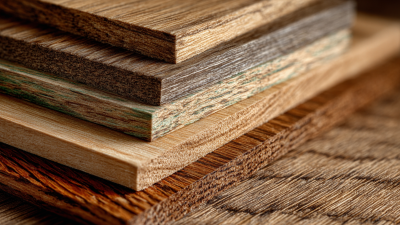
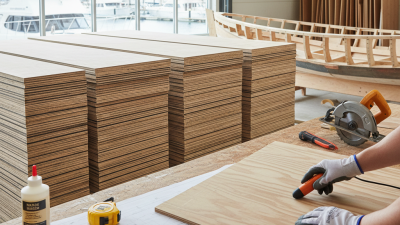
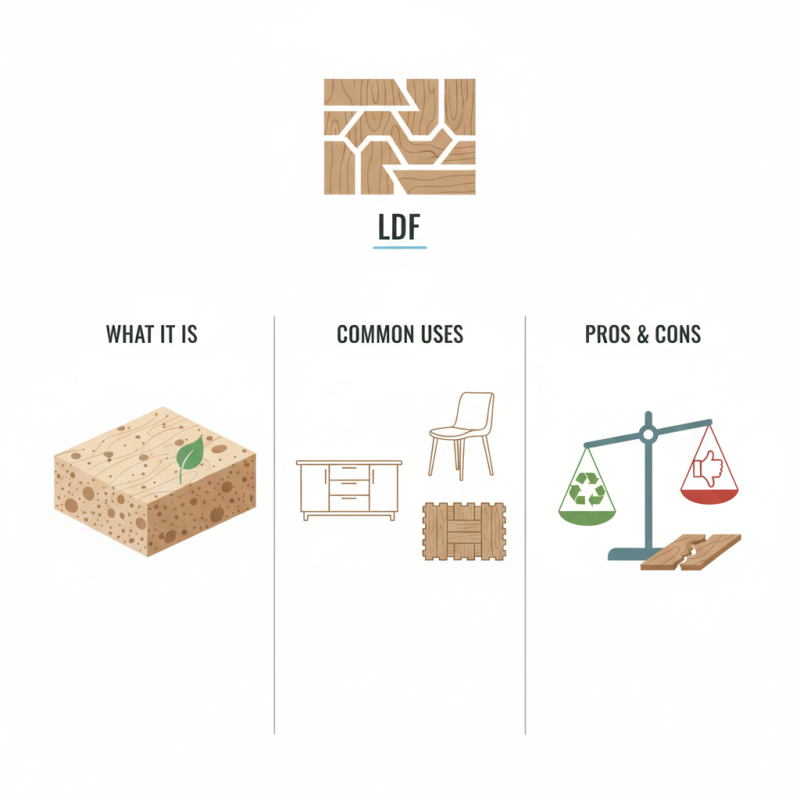
LDF, which stands for Low-Density Fiberboard, is pretty cool — it’s an innovative material used in all sorts of things. Basically, it’s made from wood fibers that get glued together under pressure. The result? A lightweight yet sturdy board that folks love to work with. You’ll find LDF everywhere, from furniture and cabinets to flooring. Its versatility is a big reason it’s so popular among manufacturers.
One thing I really like about LDF is that it’s pretty eco-friendly. A lot of it is made using recycled wood fibers, which helps cut down on waste and makes it a more sustainable option. That said, not all LDF is created equal. Some products out there might not quite meet the quality standards you’d hope for, and that can be pretty frustrating if you buy something that doesn’t hold up.
So, if you’re thinking about using LDF, it’s smart to pay attention to where it’s coming from. Reputable companies like Evergreen Wood Products stand behind their stuff: they stick to strict manufacturing standards, which basically means you get a product you can trust. Knowing the ups and downs of LDF can really help you make a smarter choice—no surprises, just good furniture or flooring you can count on.
What is Low-Density Fiberboard (LDF)?
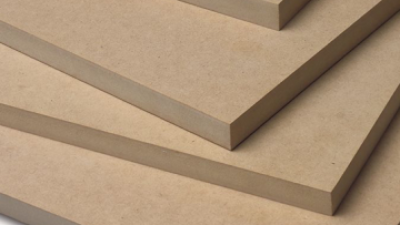
Low-Density Fiberboard (LDF) is a versatile engineered wood product. It consists of wood fibers bonded together using heat and adhesive. The result is a lightweight material that can be easily shaped and manipulated. LDF is popular in furniture making and interior design. Its smooth surface finish makes it ideal for painting and veneering. Designers appreciate its flexibility in creating various shapes and sizes.
Many appreciate LDF for its cost-effective nature. It is often more affordable than High Density Fiberboard, which can be a key consideration for budget-conscious projects. However, LDF may not be as durable as its high-density counterpart. In high-traffic areas, it can show wear quicker than expected. This is something to consider when planning your projects.
Using LDF requires some reflection on its limitations. While it is easy to work with, its strength is lower than that of other materials. Heavy items should not be placed on it without caution. There are moments when selecting the right fiberboard can be confusing. Distinguishing between LDF and High Density Fiberboard is essential for achieving desired results.
Composition and Manufacturing Process of LDF
Low-Density Fiberboard, orLDF, is an engineered product made from wood fibers. Its manufacturing process starts with breaking down wood into tiny fibers. These fibers are mixed with a binding adhesive that holds them together. Heat and pressure are applied to form sheets. This combination creates a board that is lighter and more porous than traditional wood products.
The composition of LDF can vary. Different types of wood could be used, leading to varying qualities and textures. When creating LDF, some manufacturers may not prioritize uniformity, resulting in inconsistencies in thickness or density. These imperfections can affect the final product's performance. For example, lower density may mean easier workability but can reduce strength.
LDF is used in various applications. It is often found in furniture, cabinetry, and decorative projects. However, it may not be the best choice for load-bearing usages. Users should carefully consider the specific requirements of their projects. The variability in the production process can lead to unexpected outcomes, requiring adjustments during installation. Each board's unique characteristics could either be a boon or a challenge in different settings.
Properties of Low-Density Fiberboard: Strength and Durability
Low-Density Fiberboard (LDF) is a versatile material made from wood fibers. It is lightweight, yet it offers notable strength and durability. According to industry reports, LDF can be up to 25% lighter than its Hard Density Fiberboard counterpart. This makes it ideal for applications where weight is a concern, such as in furniture and cabinetry.
The durability of LDF is often questioned due to its lower density. However, it boasts impressive compression resistance. It withstands pressure better than some might expect. Reports indicate that LDF can achieve a modulus of elasticity similar to plywood in specific conditions. This resilience is rooted in its manufacturing process, which involves bonding fibers under heat and pressure.
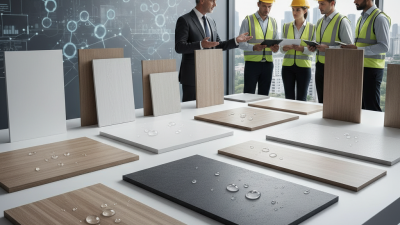
That said, LDF isn't without drawbacks. It can be more prone to moisture damage than denser boards. Recognizing this, manufacturers often recommend using it in dry environments. Some users find that while it suits many applications, it may not hold up well under heavy loads. Evaluating these factors is crucial for any project that involves LDF.
Common Applications of LDF in Furniture and Interiors
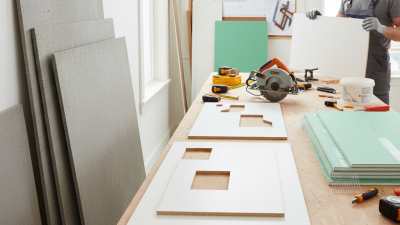
Low-Density Fiberboard (LDF) is gaining popularity in furniture and interior design. Its versatility makes it a preferred choice among designers and homeowners alike. One key application is in the creation of stylish cabinets and storage solutions. The smooth surface of LDF allows for various finishes, which can match any decor style. Many people appreciate how easily it integrates into modern and minimalist spaces.
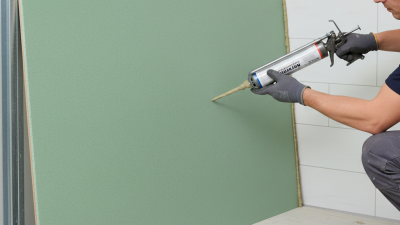
In addition to furniture, LDF is often used in wall panels and decorative accents. This material is lightweight yet sturdy, making it easier to install. Some might find that LDF can lack the same durability as solid wood, requiring careful handling during assembly. Micro Density Fiberboard, a variation of LDF, offers an even finer texture. This feature is ideal for intricate designs and detailed craftsmanship.
Many interior designers utilize LDF to create bespoke furniture pieces. The material can be cut and shaped into unique forms. However, its susceptibility to moisture should be a consideration for potential users. Overall, the use of LDF in interiors reflects a balance of aesthetics and practicality, though imperfections may arise in execution. Thoughtful design choices can mitigate these challenges, ensuring that the beauty of LDF shines through.
What is LDF Low-Density Fiberboard and Its Uses? - Common Applications of LDF in Furniture and Interiors
| Application | Description | Advantages |
| Cabinetry | Used for constructing kitchen and bathroom cabinets. | Cost-effective, lightweight, and easy to work with. |
| Furniture | Ideal for making tables, chairs, and shelving units. | Offers good aesthetic appeal and can be laminated or painted. |
| Interior Paneling | Used as wall panels for decorative purposes. | Lightweight, easy to install, and available in various finishes. |
| Partition Walls | Frequently used for creating non-load-bearing interior walls. | Flexible design options and quick installation. |
| Acoustic Panels | Used in the production of sound-absorbing panels for studios. | Effective sound dampening and available in various designs. |
Environmental Impact and Sustainability of Low-Density Fiberboard
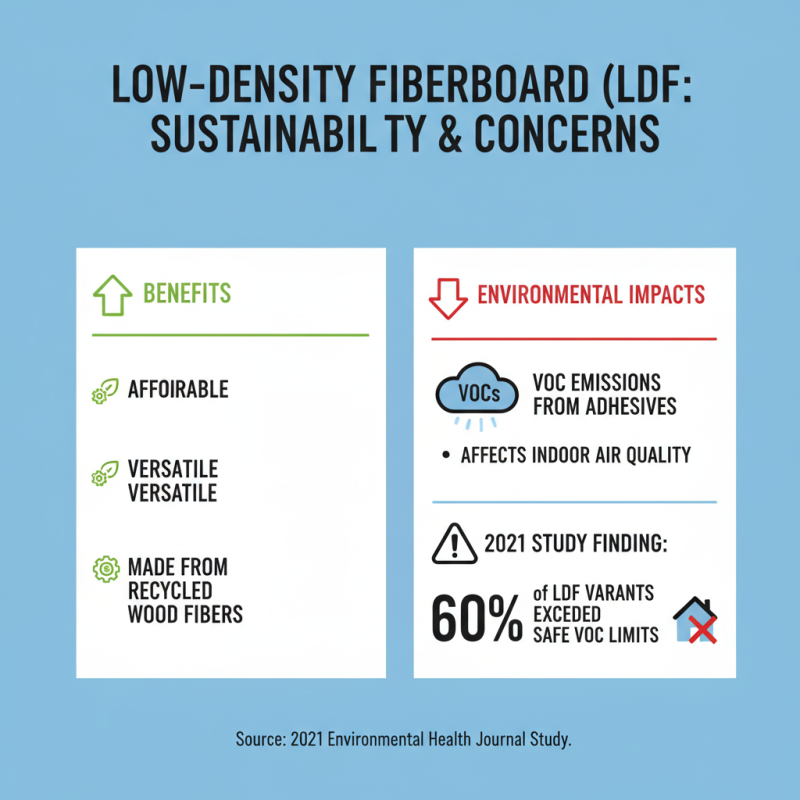
Low-Density Fiberboard (LDF) is gaining popularity in the construction and furniture industries due to its affordability and versatility. However, environmental impacts are a growing concern. LDF is often made from recycled wood fibers, which is positive. Yet, the adhesives used can release volatile organic compounds (VOCs), affecting indoor air quality. A 2021 study found that 60% of LDF variants exceeded safe VOC limits, raising alarms about their long-term safety in homes.
Sustainability challenges persist. LDF production requires energy, contributing to carbon emissions. The industry has made strides. According to a 2022 report, companies are transitioning to low-emission adhesives and sustainable sourcing practices. Yet, not all manufacturers follow these guidelines. Consumers must stay informed and ask questions about materials and sourcing.
Tips: Always look for LDF products labeled as low-VOC certified. Check for sustainability reports from manufacturers. Small changes in choices can lead to improved indoor air quality. Relying on word-of-mouth can be misleading; prioritize independent research. Ultimately, responsible consumer habits play a key role in shaping industry practices.
Comparison of LDF with Other Engineered Wood Products
LDF, or Low-Density Fiberboard, is a popular engineered wood product. Its lightweight nature makes it easy to handle. LDF is made from wood fibers, adhesives, and other materials, creating a versatile board. It is often used in furniture, cabinetry, and decorative panels. However, there are pros and cons to using LDF.
When comparing LDF with other engineered wood products, differences emerge. Plywood, for example, is denser and stronger. It’s suitable for structural projects. On the other hand, Medium Density Fiberboard (MDF) is denser than LDF. MDF provides a smooth surface, ideal for painting. Yet, it can be heavier and harder to work with. LDF has a unique place due to its ease of use and affordability, but it may not always be the best choice for durable applications.
Consideration of these factors is important. LDF can swell when it gets wet. This limits its use in humid environments. While LDF is cost-effective, it may not withstand heavy loads. Therefore, identifying the right product for the job is crucial. Understanding the strengths and weaknesses of each material ensures better outcomes.
Comparison of LDF with Other Engineered Wood Products
This chart illustrates the density comparison of Low-Density Fiberboard (LDF) with other commonly used engineered wood products. LDF is less dense than Medium Density Particleboard (MDP) and Medium Density Fiberboard (MDF), making it suitable for specific applications such as lightweight furniture and interior paneling.
Future Trends in Low-Density Fiberboard Development and Usage
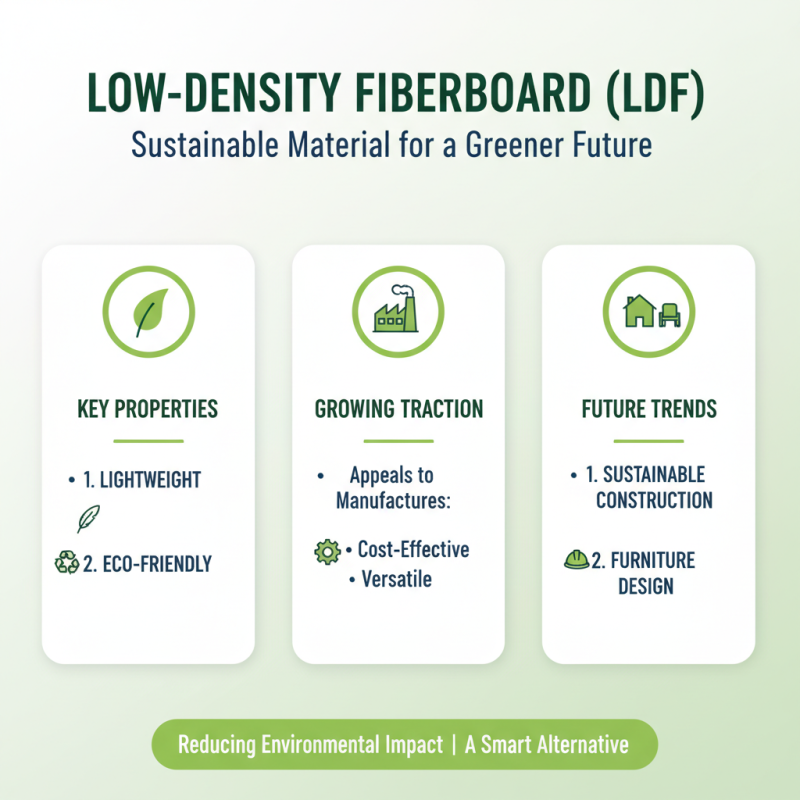
Low-Density Fiberboard (LDF) is gaining traction in various industries. Its lightweight nature and eco-friendly properties appeal to many manufacturers. Future trends indicate an increase in its use for sustainable construction and furniture design. As environmental concerns grow, companies are seeking alternatives to traditional materials.
The development of LDF technology is exciting. Innovations aim to enhance its strength and durability. These improvements could make LDF more competitive against Medium Density Fiberboard (MDF). Some experts believe that better bonding agents will emerge. These advancements could minimize imperfections often found in LDF.
Designers are now exploring creative applications for LDF. Its versatility allows for intricate shapes and patterns. Yet, the challenge remains to balance aesthetics with functionality. As the industry evolves, there is room for reflection. How can LDF better meet the demands of consumers? Addressing these questions will shape its future.
Exploring the Versatility and Applications of MDF Medium Density Fiberboard in Modern Design and Construction
Medium-Density Fiberboard (MDF) has become an indispensable material in modern design and construction due to its exceptional versatility and performance characteristics. Renowned for its uniform structure, MDF is manufactured through the bonding and pressing of wood fibers under high temperature and pressure, resulting in a smooth surface that is ideal for various applications. According to a recent industry report, the global MDF market is projected to reach USD 25 billion by 2027, driven largely by its widespread use in furniture manufacturing and interior decoration. The material's superior processability allows for easy routing and shaping, making it a preferred choice for custom designs without the risk of splintering.
Moreover, MDF's resistance to warping and changes in temperature and humidity makes it suitable for both residential and commercial applications, ensuring longevity and stability in different environments. The availability of E0/E1 low-formaldehyde certifications further enhances its appeal, as it aligns with the growing demand for eco-friendly materials in construction. Studies indicate that MDF products offer a cost-performance ratio significantly higher than that of solid wood and plywood, allowing manufacturers and designers to balance quality and budget effectively. As the industry shifts towards more sustainable and efficient building materials, MDF stands out as a go-to solution for mid-to-high end custom projects, from retail display stands to bespoke furniture design.
FAQS
: The article aims to inform readers about specific topics. It highlights essential information clearly.
The article targets individuals interested in gaining knowledge about the subject matter.
You can use the insights in practical situations. Think about your own experiences.
Yes, some points encourage reflection. Not all suggestions may fit everyone’s context.
Reflect on your situation and needs. Everyone’s circumstances differ, so be cautious.
No, it covers key points but may omit some details. Further research might be necessary.
While many are credible, assess each source critically. Verify facts before drawing conclusions.
Engaging with diverse perspectives can help. Discussing with others might lead to new insights.
Some suggestions may not suit everyone. Adapt them to your unique circumstances.
It suggests self-reflection and exploring beyond the text. Growth often requires personal effort.
Conclusion
LDF (Low-Density Fiberboard) is an engineered wood product made from wood fibers, typically produced through a process of breaking down wood into fine particles, which are then bonded together using adhesives and heat. This manufacturing technique results in a lightweight yet sturdy material, making LDF ideal for a variety of applications, particularly in furniture and interior design. Its unique properties include strength and durability, contributing to its popularity in making cabinets, shelving, and decorative wall panels.
Moreover, LDF is increasingly recognized for its environmental impact, as it can be made from recycled wood fibers, promoting sustainability in wood product manufacturing. A comparison with other engineered wood products reveals its competitive advantages, though it also faces challenges in terms of durability under moisture exposure. Looking to the future, innovations in LDF production methods and materials may enhance its functionality and further its use in eco-friendly building projects.

 1Durch die gruppenweite Einführung und Harmonisierung unseres integrierten Managementsystems (IMS) werden alle bestehenden Unternehmens-, Qualitäts-, Umwelt- und Energiepolitiken durch diese Unternehmenspolitik ersetzt. Der Slogan „Textil hat Zukunft – auch in De