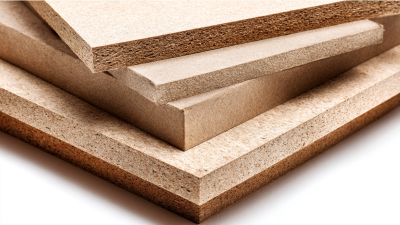
Picking the right solid wood board can really make or break your project, you know? Whether you're making furniture or putting together cabinetry, quality is key. Solid wood has that durability and gorgeous look that’s hard to beat. But here’s the thing — not all boards are created equal. It’s super important to pay attention to the type of wood, the grain pattern, and the finish you choose, because each of these little details can totally impact how your finished piece turns out.
Things like moisture content and grain direction are actually pretty important, too. They can affect how the wood reacts over time—some woods handle humidity better, while others might warp or crack if you're not careful. Getting a handle on these factors now can save you a load of trouble down the line.
Honestly, picking out a solid wood board isn’t just about grabbing the first one you see. It takes a bit of time and some thoughtful consideration. Think of it more like investing in the quality of your work. If you’re feeling uncertain, chatting with experts—say, at places like TimberPro—can really help clear things up. Don’t rush it; taking your time to make the right choice will almost always pay off. At the end of the day, the right board can totally make your project shine and turn out just the way you envisioned.
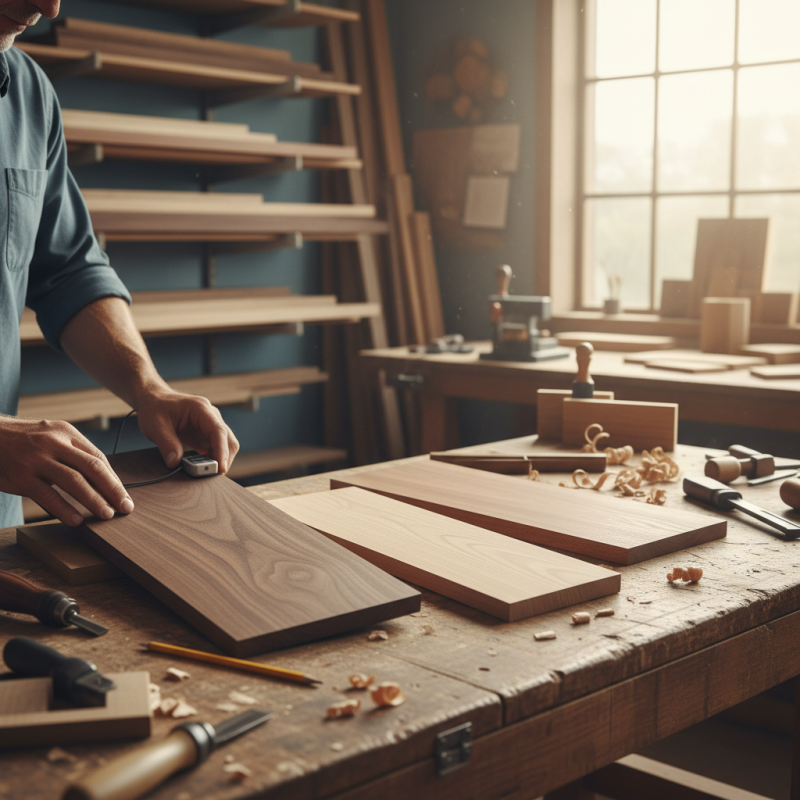
Types of Solid Wood Boards: An Overview
When selecting solid wood boards for your project, understanding the different types is crucial. Hardwoods and softwoods have distinct characteristics. Hardwoods, like oak and maple, are dense and durable. They are ideal for furniture and flooring. Softwoods, such as pine and cedar, are lighter and easier to work with. They often serve well in construction and cabinetry.
Consider the grain patterns and colors as well. Oak has a pronounced grain, while maple has a more subtle look. If you prefer a rustic aesthetic, reclaimed wood can add character. However, watch out for knots and imperfections, as they can impact the final result. Pay attention to moisture content. Freshly cut wood may warp as it dries. Always choose boards that are seasoned properly for stability.
In your selection process, reflect on your project's requirements. Are you prioritizing aesthetics over strength? Is durability more critical? This assessment can guide you to the best choice. Don't rush this decision. Experiment with small samples to see how they fit your vision. Making informed choices leads to better results, and that is always worth the effort.
Understanding the Grain Patterns and Their Importance
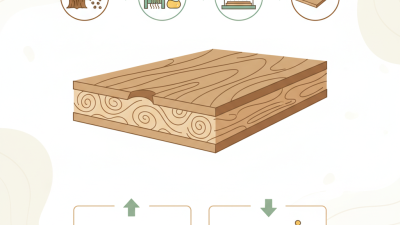
Understanding grain patterns in solid wood is crucial for selecting the right board for your project. Grain patterns can range from straight to wavy, each influencing the final appearance. For instance, straight grains offer a classic look, while irregular patterns add character. These details matter, especially in fine woodworking. They can enhance the aesthetic value of furniture or cabinetry.
The thickness and texture of the wood also play a role. Thicker boards generally feature more pronounced grain patterns. This contrasts with thinner boards, which might display simpler designs. Some craftspeople prefer using Veneer Over Solid Wood to achieve a unique look while being cost-effective. However, one must acknowledge the trade-offs in durability and authenticity. It’s essential to reflect on the balance between aesthetics and functionality.
When choosing a solid wood board, consider the humidity and temperature variations in your project’s environment. Different woods respond uniquely to these conditions. Some may warp or crack over time. Understanding these aspects will help ensure longevity and beauty in your finished product.
Evaluating Hardness and Durability of Different Woods
When evaluating solid wood for your project, hardness and durability are critical factors. Different woods have varying levels of hardness, measured by the Janka hardness test. For instance, oak is known for its strength and resistance to denting. However, softer woods like pine are easier to work with but are more susceptible to damage. This difference affects your choice based on the intended use of the furniture or structure.
Durability is another essential aspect. Hardwoods like teak and maple offer longevity and withstand wear well. They can resist moisture and environmental challenges better than softwoods. However, it’s vital to reflect on the wood’s origin and treatment process. Some woods may come from unsustainable sources, raising ethical concerns. Selecting responsibly sourced hardwood is increasingly important for the environment and future projects.
Choosing the Right Thickness for Your Project Needs
Choosing the right thickness for solid wood boards is crucial. It influences the overall sturdiness of your project. A standard thickness is ¾ inch, suitable for furniture and cabinetry. Thicker boards, around 1 inch, provide added weight and durability. This is particularly important for items requiring structural integrity.
When considering your project, reflect on the final use. A delicate wooden shelf may not need heavy wood. However, a solid wood table benefits from thicker boards for stability. Reports suggest that using the proper thickness can improve your project’s lifespan significantly.
**Tips:** Always measure the intended load. For shelves, consult load capacity charts. If uncertain, opt for thicker boards and reinforce them where necessary. Solid Wood Veneer Sheets can enhance aesthetics while maintaining a lighter structure. Balancing thickness with design is key for achieving both beauty and function.
Solid Wood Board Thickness Comparison
Finishes to Consider for Solid Wood Boards
When selecting finishes for solid wood boards, the options are vast and varied. A clear finish like polyurethane offers durability and showcases the natural beauty of the wood. It protects against moisture and scratches but can alter the color slightly. Oil-based finishes deepen the wood's hue, enhancing grain patterns and providing a warm glow. However, they might require frequent reapplication to maintain their look.
For projects where a natural feel is desired, consider using a matte or satin finish. These options reduce glare and emphasize the wood's texture. Some finishes can be tricky to apply evenly, leading to patchy results. Testing on scrap pieces can help identify the right technique and product.
Solid Mdf Boards can also be treated similarly to solid wood, but their finish choices differ due to compositional factors. While they can mimic wood aesthetics, they might not absorb finishes as well, posing challenges. Always keep your project’s purpose in mind, as certain finishes work better in specific environments, such as high-moisture areas. Making informed choices can enhance both the functionality and beauty of your project.
Sourcing Quality Solid Wood Boards: Where to Buy
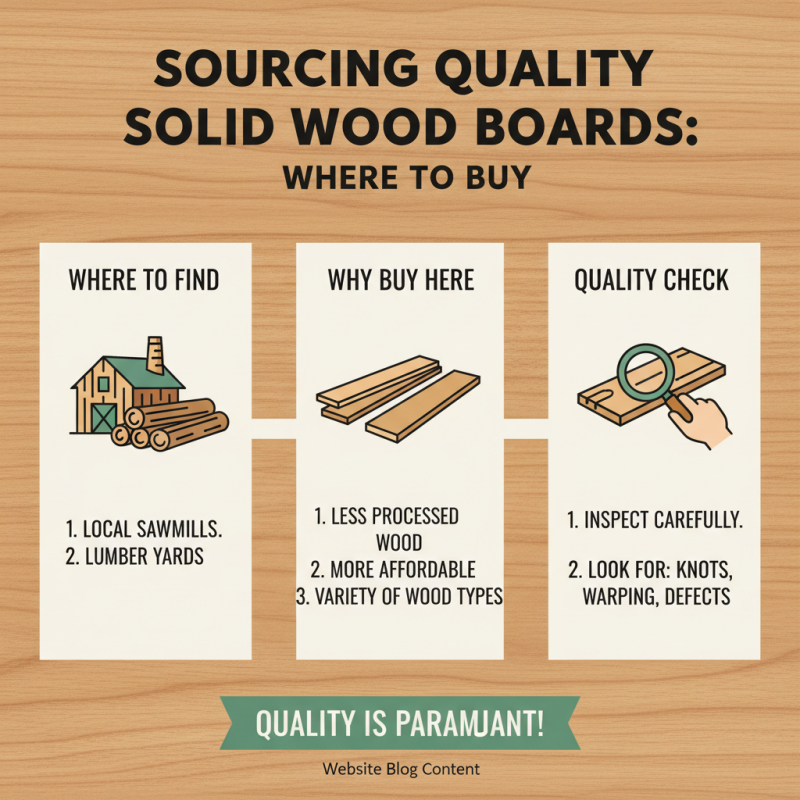
When sourcing solid wood boards, quality is paramount. Look for local sawmills or lumber yards. These places often provide a variety of wood types. They'll have boards that are less processed and, therefore, more affordable. Inspect the boards carefully. Look for knots, warping, and other defects before making a purchase.
Online marketplaces can offer a wide selection too. However, buying wood online carries risks. You can't physically inspect the boards first. Check customer reviews to gauge the quality. Verify the seller’s reputation. This reduces the chance of disappointment upon arrival.
Consider the type of wood based on your project needs. Hardwoods like oak or maple are durable but costly. Softwoods like pine are lighter and easier to work with. Balance quality and budget carefully. Each wood type has distinct characteristics, which can affect your project. Make informed decisions to ensure long-term satisfaction with your craftsmanship.
Budgeting for Solid Wood: Cost vs. Quality Considerations
When choosing solid wood boards for your projects, budgeting becomes a crucial aspect. The balance between cost and quality can be challenging. Solid wood boards vary in price significantly based on species, thickness, and finish. Understanding these factors can help you make informed decisions that fit your budget.
Poplar Solid wood, for instance, is often a more budget-friendly choice compared to harder species like oak or maple. It offers a good balance of durability and workability, making it ideal for various applications, including furniture and cabinetry. However, its softer nature means it might dent more easily than harder woods. Consider your project's needs carefully.
**Tips:** Always buy a little extra material. This ensures you have enough for mistakes or changes in design. Check for any imperfections in the wood before purchasing. Poplar Solid boards can sometimes have rough patches that need sanding. Planning ahead can save money in the long run. Set aside funds for quality finishes, which can enhance the beauty of the wood.
How to Choose the Best Solid Wood Board for Your Project? - Budgeting for Solid Wood: Cost vs. Quality Considerations
| Wood Type | Cost per Board (USD) | Durability | Appearance | Typical Uses |
| Oak | $6 - $10 | High | Warm tone, prominent grain | Furniture, Cabinets |
| Maple | $7 - $12 | Very High | Light color, fine grain | Countertops, Cabinets |
| Cherry | $10 - $15 | Moderate to High | Rich reddish hue, smooth | Fine furniture, Musical instruments |
| Walnut | $12 - $20 | High | Dark, rich color, unique patterns | High-end furniture, Décor |
| Pine | $3 - $6 | Low to Moderate | Light weight, straight grain | Shelves, Lightweight furniture |
Exploring the 2023 Growth Trends and Sustainability Impact of OSB Oriented Strand Board in the Construction Industry
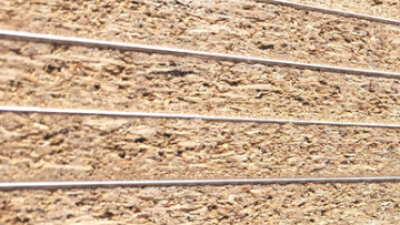
The construction industry is poised for significant growth in 2023, with Oriented Strand Board (OSB) at the forefront of this transformation. As demand for sustainable and high-performance building materials increases, OSB stands out for its eco-friendly production process. Manufactured by cross-orienting wood strands bonded with high-quality adhesives, OSB not only meets but often exceeds international environmental standards. Reports indicate that the OSB market is expected to grow at a compound annual growth rate (CAGR) of over 5% from 2023 to 2028, driven by its versatility and sustainability, which make it an appealing choice for various applications in construction.
The performance attributes of OSB further reinforce its position as a preferred alternative to traditional plywood. Its exceptional load-bearing capacity and moisture resistance ensure durability and reliability in structural applications. Moreover, as construction practices increasingly prioritize sustainability, OSB's eco-friendly characteristics resonate well with both contractors and environmentally conscious consumers. According to industry analyses, OSB contributes positively to reducing the carbon footprint in the construction sector, showing that it can achieve comparable performance metrics while being more sustainable than conventional materials.
In light of these trends, the versatility of OSB makes it suitable for use in diverse projects such as furniture framing, floor substrates, and outdoor panels. The construction industry is gradually recognizing OSB as a premium choice for industrial, commercial, and custom projects, which reflects an overarching trend toward materials that are not only strong and durable but also contribute to sustainability efforts across the sector.
FAQS
: There are two main types: hardwoods and softwoods. Hardwoods are dense and durable, while softwoods are lighter and easier to work with.
Different woods have unique grain patterns. For example, oak has a pronounced grain, whereas maple appears more subtle.
Correct moisture content ensures stability. Freshly cut wood can warp as it dries. Always pick seasoned boards for best results.
A standard thickness is ¾ inch for furniture. Thicker boards, around 1 inch, are better for items needing structural integrity.
Consider durability and the wood's appearance. Clear finishes protect well, but oil-based ones enhance color and grain.
Yes, reclaimed wood adds character but may have knots and imperfections. Assess these carefully to avoid issues later.
Testing on scrap pieces helps. Some finishes can be tricky, leading to uneven results if not applied correctly.
If in doubt, opt for thicker boards. They provide more stability and can be reinforced as needed for your project.
Prioritizing aesthetics or durability can guide your wood selection. This self-assessment can significantly influence your results.
Yes, some finishes work better in certain environments. Choose carefully based on the intended use and exposure conditions.
Conclusion
When selecting the best Solid Wood Board for your project, it's essential to understand the various types available and their characteristics. An overview of different solid wood boards reveals the unique grain patterns, which not only influence aesthetics but also impact the wood's performance and durability. Evaluating the hardness and durability of the wood can help ensure that your choice meets the demands of your project.
Additionally, choosing the appropriate thickness is crucial for structural integrity and design. Consideration of finishes can enhance the wood's appearance and protect its surface. Sourcing quality solid wood boards involves finding reputable suppliers that prioritize high standards in their offerings. Finally, establishing a budget that balances cost with quality is key to achieving the desired results in your woodworking endeavors.

 1Durch die gruppenweite Einführung und Harmonisierung unseres integrierten Managementsystems (IMS) werden alle bestehenden Unternehmens-, Qualitäts-, Umwelt- und Energiepolitiken durch diese Unternehmenspolitik ersetzt. Der Slogan „Textil hat Zukunft – auch in De