When you're picking out the best Routed MDF Panels for your project, having some know-how really helps. I mean, John Smith from Panel Solutions Inc., a pretty well-known expert in the field, once said, "Choosing the right routed MDF panel is key to making sure your project looks good and stays strong." That just goes to show how important it is to understand the different options out there.
Routed Mdf Panels are pretty awesome because they can seriously upgrade both how your design looks and how functional it is. These panels are super versatile — you can make all sorts of intricate patterns and shapes. Whether you're working on furniture, cabinets, or decorative touches, they’ve got you covered. But, and here’s the thing, the quality really makes a difference, and where you get them from can totally impact the final result.
Of course, there are a few things to keep in mind. Not all Routed Mdf Panels are created equal, and sometimes, a higher price tag can mean better quality. Doing a bit of homework beforehand totally pays off — you want to avoid any surprises later on. Just going for the cheapest option might seem tempting, but it could end up disappointing you in the end. So, make sure what you choose fits your project's specific needs and standards. Better to be safe than sorry, right?
Understanding Routed MDF Panels: Definition and Characteristics
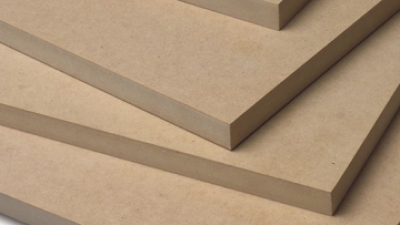
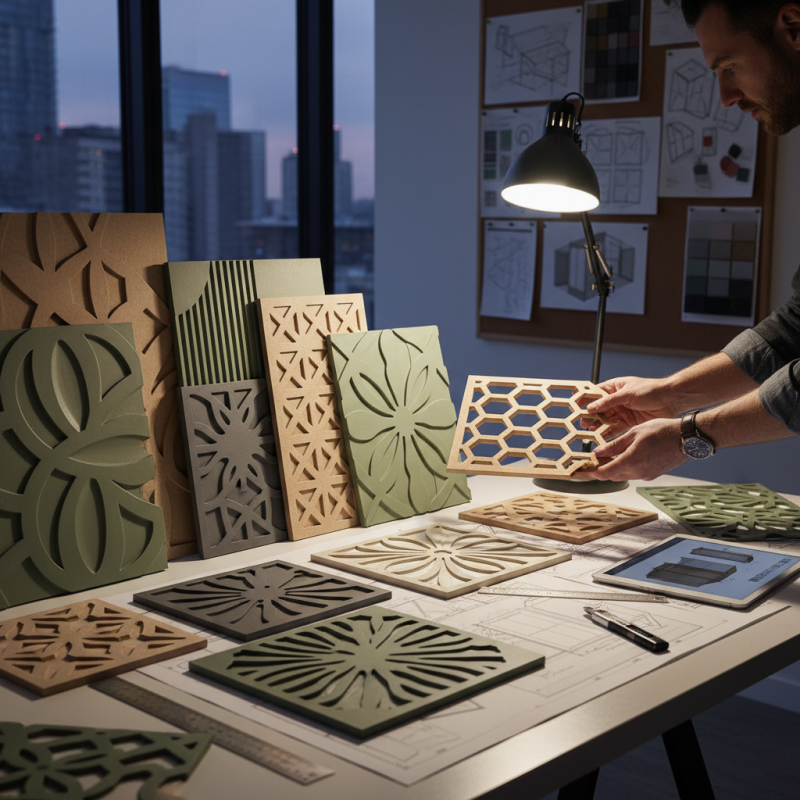
Routed Mdf Panelsare increasingly popular in construction and design. These panels are made from medium-Density Fiberboard, providingversatility and durability. They feature decorative edges, enhancing visual appeal. The characteristics of Routed Mdf Panels include a smooth surface and the ability to be easily shaped. They are ideal for intricate designs. Many designers prefer them for custom projects.
When selecting Routed Mdf Panels, consider theirthickness and density. Thicker panels may offer better support for heavier applications. The finish is also crucial. Some come pre-finished, while others may need additional treatment. Ensure you assess the potential for wear and tear based on your project's demands. Faced Mdf Panels often provide an extra layer of protection, making them suitable for high-traffic areas.
Moreover, experience plays a role in choosing the right panel. New users may find it challenging to balance aesthetics and functionality. It’s essential to research and understand your specific needs. Ignoring these factors might lead to subpar results. Selecting the wrong panel could compromise your project’s integrity. Being informed is key to making better choices.
Types of Routed MDF Panels Available in the Market
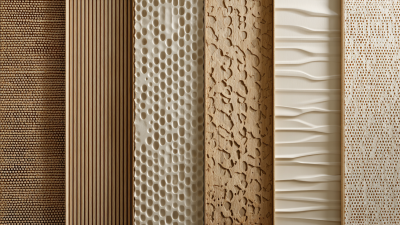
When selecting Routed Mdf Panelsfor your projects, understanding the different types available is crucial. Routed Mdf Panels come in various designs and thicknesses, catering to different needs. Some are ideal forintricate carvings, while others are more suited for straightforward applications. Selecting the right texture and profile can significantly affect the final aesthetic of your project.
Commonly, you can find smooth panels for a clean finish, as well as textured ones that add depth. Large Mdf Panels may offer significant benefits for expansive projects, allowing for seamless designs without visible joints. However, larger sizes can be challenging to handle. They might require additional support and careful installation. Be mindful of the weight and flexibility when working with these materials.
Another aspect to consider is the edge profile. Different edge treatments can vary in cost and complexity. Some designs are simple, while others may require advanced machinery. It's essential to reflect on your project’s specific needs and budget. Not every profile fits all applications. Experimenting with different options can be beneficial.
Factors to Consider When Selecting Routed MDF Panels
When selecting Routed Mdf Panels, several factors come into play. These panels are versatile but have varying qualities. Think about the project requirements first. The size and thickness of the panels matter significantly. Thicker panels often provide better durability, especially for heavy-duty applications.
The finish of the Routed Mdf Panels is another critical consideration. A smooth surface allows for cleaner edges after routing. You might want to chooseCoated Mdf Panels for added protection against moisture. This is particularly useful in humid environments. Pay attention to the coating type as it can impact the final look and durability of your project.
Tips: Always check for quality certifications. Opting for panels with recognized quality marks can ensure better reliability. Additionally, look at reviews or ask for samples before making a purchasing decision. This can help in identifying any potential flaws in the panels before you commit fully to your project. Lastly, consult with professionals in the field. Their insights can often highlight pitfalls you might not have considered.
2026 How to Choose the Best Routed MDF Panels for Your Projects?
| Dimension | Thickness | Finish Type | Density | Usage Scenario |
| 1220 x 2440 mm | 18 mm | Laminated | 750 kg/m³ | Furniture |
| 1830 x 2440 mm | 12 mm | Unfinished | 800 kg/m³ | Interior Panels |
| 1220 x 3050 mm | 15 mm | Textured | 700 kg/m³ | cabinetry |
| 1200 x 2400 mm | 25 mm | Painted | 850 kg/m³ | Decorative Panels |
| 600 x 1200 mm | 19 mm | Melamine | 770 kg/m³ | Office Furniture |
Evaluating the Quality and Durability of MDF Panels
When evaluating the quality and durability of routed MDF panels, focus on several key indicators. First, examine the density of the panel. A higher density often indicates better durability. Thicker MDF panels can withstand wear and tear more effectively. Consider the surface finish as well; smooth and even surfaces are vital for durability in high-traffic areas.
Inspect the edges carefully. Edges that are sealed or laminated tend to resist moisture absorption. This is important in environments where humidity could affect the panel's integrity. It’s not just about how they look; a well-sealed edge is crucial for longevity.
Remember, not all panels are created equal. Some may look appealing but fail to perform over time. Testing for resilience in real-world conditions can reveal weaknesses that aren’t immediately obvious. Be vigilant and seek panels that offer both aesthetic appeal and reliable performance. Your project's success may depend on these nuances.
Applications of Routed MDF Panels in Various Projects
Routed MDF panels are versatile materials used in various applications. They are popular for cabinetry due to their smooth finish. Many designers choose this material for furniture projects because it is easy to work with. Whether creating intricate designs or simple shapes, routed MDF offers flexibility.
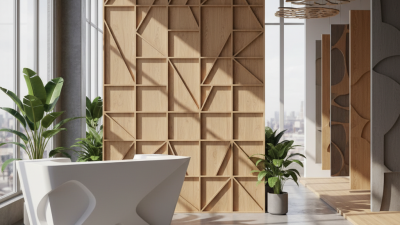
In interior design, these panels often serve as wall accents or decorative features. The clean edges and customizable shapes allow for unique designs. However, some may find the execution challenging. It's essential to measure accurately before routing. Mistakes can lead to wasted material, affecting both budget and aesthetics.
Architecture also benefits from routed MDF panels. They can be used for elegant moldings or ceiling details. Their lightweight nature makes installation straightforward. Yet, some projects may require additional support for larger panels. A commitment to precision is vital for a polished result. Each project demands attention to detail, making experience a key factor in successful applications.
Tips for Proper Installation of Routed MDF Panels
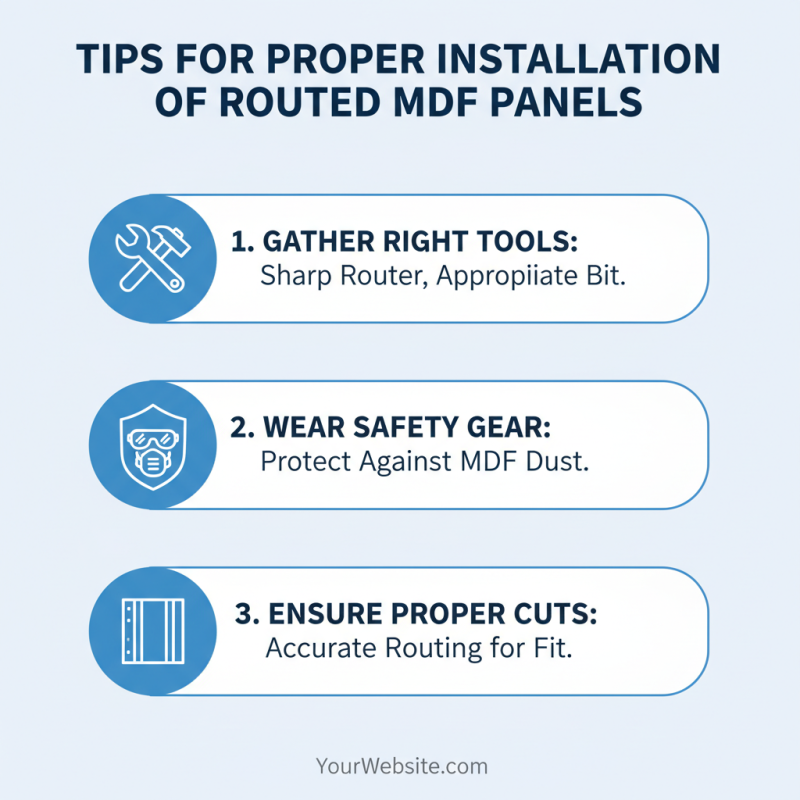
Installing routed MDF panels can enhance your projects significantly. However, proper installation is key. Start by ensuring you have the right tools. A sharp router and an appropriate bit are essential. Always wear safety gear when working, as MDF dust can be harmful.
Consider your workspace carefully. A flat, clean area will help prevent mistakes. Before cutting, measure twice. This habit minimizes errors and waste. When working with Precut Mdf Panels, take note of the edges. They should be smooth to ensure a good fit. Sanding edges gently can make a difference in the final look.
In some cases, installation may not go as planned. You might find gaps or uneven edges. Don’t rush the process; take time to adjust. If a panel doesn’t fit, rethink your approach. Learning from mistakes leads to better results. Each project is a chance to refine your skills and knowledge.
Maintenance and Care for Routed MDF Panels Over Time
Routed MDF panels require proper maintenance to ensure their longevity and aesthetic appeal. Regular dusting is essential. Use a soft cloth to prevent scratching the surface. Avoid harsh chemicals. Instead, opt for a mild soap solution. Test any cleaners on a small area first.
Moisture control is crucial. MDF is susceptible to water damage. Use coasters under wet items. Avoid placing these panels in high-humidity areas. If they do get wet, dry them immediately. This quick action can prevent long-term warping or deterioration.
Occasionally, check for scratches or dents. Minor damages can often be repaired with touch-up paint or fillers. If the panel starts to separate, consider a glue solution. Maintaining routed MDF panels might seem tedious. However, dedication to care can significantly extend their lifespan. Embrace the process. Each care step is a chance to reflect on your project's craftsmanship.
2026 How to Choose the Best Routed MDF Panels for Your Projects?
Market Insights from the 2023 MDF Industry Report: Unveiling Growth Trends and Innovations in Medium Density Fiberboard Production
The 2023 MDF Industry Report unveils significant growth trends and innovations within medium density fiberboard production, a product increasingly favored in various sectors due to its exceptional characteristics. Medium-Density Fiberboard (MDF) is engineered from finely bonded wood fibers, resulting in a surface that is uniform and smooth, ensuring easy processing and high dimensional stability. As reported, the global demand for MDF is expected to grow at a compound annual growth rate (CAGR) of approximately 4-6% over the next five years, driven by the booming construction and furniture manufacturing industries.
One notable trend highlighted in the report is the increasing emphasis on sustainability, with many manufacturers achieving E0/E1 low-formaldehyde eco-certification. This aligns with the rising consumer preference for environmentally friendly materials that do not compromise indoor air quality. The MDF's resilience against warping and deformation under varying temperature and humidity conditions makes it an ideal choice for custom projects, particularly in the mid-to-high-end market segments where such attributes are paramount.
Furthermore, the report indicates that MDF's affordability compared to solid wood and plywood enhances its appeal, positioning it as a cost-effective solution without sacrificing quality. Its versatility in applications—encompassing furniture manufacturing, interior decoration, and retail displays—further cements MDF's growing market presence. As innovations continue to unfold, including advancements in production techniques and finishes, the MDF industry is poised for a transformative era, contributing significantly to both environmental and economic sustainability.
FAQS
: Focus on project requirements, including size and thickness. Thicker panels are typically more durable.
A smooth finish allows for cleaner edges. Coated panels add moisture protection, especially in humid areas.
Yes, panels come in various designs. Some are suited for intricate carvings while others fit straightforward projects.
Use a sharp router, appropriate bits, and always wear safety gear. MDF dust can be harmful to your health.
Measure twice before cutting to minimize waste. Work in a clean area to prevent errors.
Take time to adjust and rethink your approach. Avoid rushing; learning from mistakes leads to improvement.
Look for recognized quality certifications and ask for samples. Reviews can help identify potential flaws.
Larger panels may require additional support and careful handling. Be mindful of their weight and flexibility.
Not every profile fits all applications. Experimentation can help find the best fit for your specific project needs.
Reflect on your specific project needs, edge complexity, and the durability required. Costs can vary widely.
Conclusion
Routed MDF panels are a versatile material widely used in various construction and design projects due to their unique characteristics and functionality. Understanding the definition and properties of routed MDF panels is crucial, as they come in various types suited for different applications. When choosing the best routed MDF panels, several factors must be considered, including quality, durability, and intended use to ensure optimal performance.
Evaluating the quality of routed MDF panels involves examining their composition and resistance to wear over time. Proper installation techniques are vital for maximizing their effectiveness, while regular maintenance ensures these panels remain in excellent condition throughout their lifespan. Ultimately, routed MDF panels provide a blend of aesthetic appeal and practicality, making them an ideal choice for a multitude of projects.

 1Durch die gruppenweite Einführung und Harmonisierung unseres integrierten Managementsystems (IMS) werden alle bestehenden Unternehmens-, Qualitäts-, Umwelt- und Energiepolitiken durch diese Unternehmenspolitik ersetzt. Der Slogan „Textil hat Zukunft – auch in De