Figuring out which Roof Panel to go with for your project can feel pretty overwhelming at first. There are just so many options out there! Honestly, the key is to focus on quality and durability—that way, you don’t have to worry about replacing things down the line. A guy like James Hart from Stellar Roofing Solutions puts it simply: “The right Roof Panel can save you a ton of time and money in the long run.” That really hits home how important it is to make an informed choice.
When you’re picking a Roof Panel, understanding what you really need is super important. Good panels will stand up to tough weather, but not all materials are built the same. For example, Medex Panels are well-loved for resisting moisture and lasting a long time. They’re definitely a solid pick. But hey, not every project needs that much durability, and spending extra might not always be worth it.
Your experience and maybe chatting with professionals can really help you make the best call. Think about the unique challenges your project might have. Do you care more about how it looks or how well it works? At the end of the day, it’s all about finding that sweet spot where your budget and your needs meet—that’s what really counts.
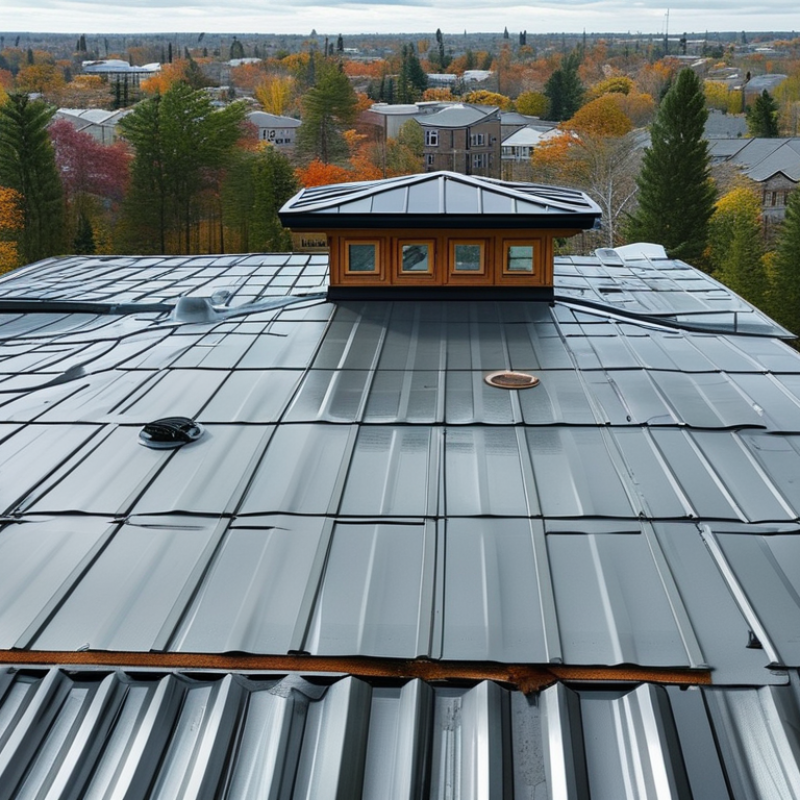
Factors to Consider When Selecting Roof Panels
When selecting roof panels, several factors should guide your decision. Consider the climate where you live. Heavy rain or snow may require sturdier materials. Weight is another aspect to think about. Heavier panels might be durable, but installation can become challenging. It's essential to balance durability with practicality.
Next, look at insulation properties. Good insulation can offset energy costs. Panels that trap heat or cold effectively help maintain indoor temperatures. Furthermore, consider design aesthetics. A roof panel should complement the overall look of your structure. Do you prefer a sleek or rustic style?
Lastly, evaluate maintenance needs. Some materials require regular upkeep, while others resist wear and tear well. If you are not prepared to invest time into maintenance, seek reliable options. For example, an Mdf Back Panel may offer ease of handling despite potential moisture issues. Make sure to weigh all these considerations to find the best roof panel for your project.
Types of Roof Panels and Their Applications
Choosing the right roof panel for your project is crucial. There are various types of roof panels, each suited for specific applications. Metal panels are common in commercial buildings. They are durable and weather-resistant. A study by the Metal Construction Association reported that metal roofs have a lifespan of over 50 years. This means long-term value for your investment.
Another popular option is fiberglass panels. They are lightweight and easy to install. This makes them ideal for residential projects. According to a report by the National Roofing Contractors Association, fiberglass panels can reduce heating costs by reflecting sunlight. They are also corrosion-resistant, which enhances their longevity.
Tip: When selecting roof panels, consider local climate conditions. For areas with heavy snowfall, opt for panels designed for snow-load resistance.
Insulated panels offer energy efficiency and structural support. They are often used in warehouses and cold storage facilities. A recent industry report highlighted that insulated panels can improve energy efficiency by up to 40%. However, installation can be complicated and may require professional help.
Tip: Evaluate installation costs thoroughly. Sometimes cheaper panels lead to higher long-term expenses. Choose wisely to avoid future issues.
Material Options for Roof Panels: Pros and Cons
When selecting roof panels, material options play a crucial role. Each type offers unique benefits and drawbacks. For instance, metal panels are popular for their durability and resistance to severe weather. According to a report by the Metal Building Manufacturers Association, metal roofing can last up to 50 years with minimal maintenance. This longevity makes it a cost-effective choice in the long run.
On the other hand, asphalt shingles are commonly used due to their affordability and ease of installation. However, they have a shorter lifespan, typically lasting only 20 years before needing replacement. This can lead to higher long-term costs. Additionally, wooden panels, while aesthetically pleasing, require regular maintenance to prevent rot and insect damage. Their reliability becomes questionable in harsh climates.
Moreover, sustainable options like recycled rubber roofing are gaining traction. These panels are made from repurposed materials, aligning with eco-friendly construction goals. Though they might have a higher initial cost, their long-term savings and environmental benefits are noteworthy. Evaluating these factors is essential. A careful decision on panel types, including options like Panel Mdf Board, ensures a project meets both functional and aesthetic requirements.
Cost Analysis: Budgeting for Roof Panels
When planning a roofing project, cost analysis is crucial. You need to account for the material costs, labor, and additional supplies needed. Roof panels vary greatly in price, depending on material and style. For example, metal panels may be more expensive upfront but can last decades, potentially saving money over time.
Think about your budget limitation early in the process. Estimate the total area that needs roofing. Compare the costs of different panels, including Hdf Panel Board. These boards offer a great balance of price and durability. Remember that cheaper options might lead to higher long-term costs due to repairs or replacements.
It’s essential to also include potential hidden costs. Consider installation fees and any structural adjustments your building might need. Always check local regulations regarding roofing materials. Not getting it right the first time can lead to costly setbacks. Projects can often deviate from the original budget. Regular reassessment of costs can prevent surprises down the line, ensuring your project remains financially viable.
Environmental Impact of Different Roof Panels
When selecting roof panels, it's crucial to consider their environmental impact. Various materials contribute differently to sustainability. For example, metal panels often have a longer lifecycle but require energy-intensive manufacturing. Reports indicate that they can have a carbon footprint upwards of 8.5 kg of CO2 per kg produced. In contrast, materials like the Mdf Handy Panel offer lower emissions and a more sustainable option.
Recycling potential plays a vital role too. Many modern roof panels can be recycled after their lifespan, reducing landfill waste. Yet, not all panels are created equal in this aspect. Some synthetic materials complicate recycling efforts, potentially spreading toxins. A 2022 study showed that only 30% of plastic panels are effectively recycled, highlighting concerns for eco-conscious builders.
Finally, insulation properties affect energy efficiency. Poorly insulated panels can lead to higher energy consumption, impacting both the environment and utility costs. Observing that 40% of energy loss occurs through the roof, choosing the right panel type becomes even more critical. Ensuring a balance between durability and sustainability is essential in today's construction landscape.
Installation Requirements for Roof Panels
When installing roof panels, understanding the requirements is crucial. Each project has unique needs. A thorough assessment of your structure is essential. Consider the panel’s weight, insulation, and weather resistance. Insulation materials vary by climate. You might need different approaches in a humid area versus a dry one.
Measuring the roof accurately is another key step. Small mistakes can lead to significant issues during installation. Ensure you have the right tools and materials. Ladder safety and harness use are vital. Sometimes, DIY projects can feel challenging. Seeking professional advice might give clarity. It's better to consult experts than risk costly errors.
Understand local regulations before starting work. Compliance ensures your project meets safety and quality standards. Neglecting this can lead to unexpected fines or repairs. Frame all decisions on what fits your needs best. Even small panels can create big differences in durability and aesthetics. Choose wisely and conduct thorough research.
Maintenance Tips for Longevity of Roof Panels
Choosing the right roof panel for a project is essential, but maintaining it is equally important. Regular upkeep extends the lifespan of roof panels and ensures they function effectively. Cleaning debris from gutters and edges helps prevent water damage. Check for any cracks or signs of wear regularly. This proactive approach protects your investment.
Ventilation plays a crucial role in roof panel longevity. Proper airflow reduces moisture buildup, which can lead to mold or rust. Inspect ventilation systems before winter and summer seasons. It’s also wise to ensure that insulation is adequate. Poor insulation can cause heat retention, affecting the roof material over time.
Consider investing time in periodic inspections. Bringing in a trusted professional can reveal small issues before they escalate. While maintenance may seem tedious, neglect often leads to costly repairs. Each project carries unique challenges. Embracing these tasks leads to a stronger, more durable roof.
Exploring the Benefits of High Gloss PET Sheets: Waterproof and Scratch Resistant Decorative Solutions for Modern Interiors
High gloss PET sheets have emerged as a contemporary solution for modern interiors, offering a blend of aesthetic appeal and practical functionality. Made from high-quality polyester, these sheets boast an impressive high gloss finish that enhances transparency and elevates the overall design of any space. Their durability is one of their standout features, making them ideal for various applications including furniture panels, decorative surfaces, and packaging solutions.
One of the most significant advantages of high gloss PET sheets is their waterproof nature, ensuring longevity even in challenging environments. Additionally, they are scratch-resistant and anti-fingerprint, which maintains their pristine appearance over time. This material is also eco-friendly, containing zero formaldehyde, making it a safe choice for both residential and commercial projects. With customizable options available in terms of sizes, thicknesses, colors, and finishes, designers and builders can easily integrate these sheets into their projects, providing a sleek and modern look without compromising on quality or sustainability.
FAQS
: Consider climate, durability, weight, insulation properties, and design aesthetics. Balance practicality with your project needs.
Heavy rain or snow requires sturdier materials. Evaluate your local weather conditions before making a decision.
Good insulation helps maintain indoor temperatures and can offset energy costs. Check how effectively panels trap heat or cold.
Common types include metal panels, fiberglass panels, and insulated panels, each suited for different applications.
Heavier panels may be more durable but can complicate installation. Find a weight that suits your structure's needs.
Some installations are complicated. If you're unsure, consulting experts can prevent costly mistakes during the process.
Maintenance needs vary by material. Some panels resist wear and tear while others need regular upkeep. Choose based on your capacity for maintenance.
Yes, lower initial costs can result in higher long-term expenses due to poor durability or inefficiency. Evaluate thoroughly.
Measure the roof accurately and understand local regulations to ensure compliance and avoid fines or repairs.
Absolutely. Your roof panel should complement your structure. Decide whether you prefer a sleek or rustic design.
Conclusion
Choosing the best roof panel for your project involves several crucial factors. It's essential to understand the different types of roof panels available, as each type serves distinct applications. Evaluating material options is also vital, as each material comes with its own set of pros and cons that can affect durability, insulation, and aesthetic appeal.
Additionally, conducting a cost analysis is necessary to budget effectively, considering not only the initial purchase price but also installation and maintenance expenses. Environmental impact should be examined to ensure sustainability, while proper installation and regular maintenance practices are key to maximizing the longevity of your roof panels. By thoroughly assessing these aspects, you can select the ideal roof panel that meets your project's specific needs.

 1Durch die gruppenweite Einführung und Harmonisierung unseres integrierten Managementsystems (IMS) werden alle bestehenden Unternehmens-, Qualitäts-, Umwelt- und Energiepolitiken durch diese Unternehmenspolitik ersetzt. Der Slogan „Textil hat Zukunft – auch in De