contact
Leave Your Message
0%

Picking out the right MDF panel for your project is more important than you might think. The panel you go with can really make a difference in how long your design lasts and how good it looks. I’ve read from industry reports, like those from Grand View Research, that the global Mdf Market is expected to hit around $27 billion by 2025. That’s pretty crazy, right? It just goes to show how versatile and in-demand this material is these days, especially for all kinds of applications.

MDF panels are great because they have that nice, smooth surface—perfect for finishing touches—and they’re super popular for furniture and cabinetry. Plus, their density and strength mean they can handle a decent amount of use over time. But here’s the thing—not all MDF panels are created equal. Some can have higher levels of formaldehyde, which isn’t exactly good for your health. So, it’s a smart move to check out certifications like CARB or EPA standards to make sure you’re choosing something safe and reliable.

Understanding what your project actually needs can really help you make smarter choices. Things like thickness, density, and the type of finish all matter when it comes to how well your project will perform. Unfortunately, a lot of folks tend to overlook how important these details really are. Picking the wrong panel could mean delays, or even end up costing you more ‘unexpected’ expenses down the line. So, do your homework and choose wisely—your future self will thank you!

How to Choose the Best Mdf Panel for Your Projects?

Understanding MDF Panels: Definition and Characteristics

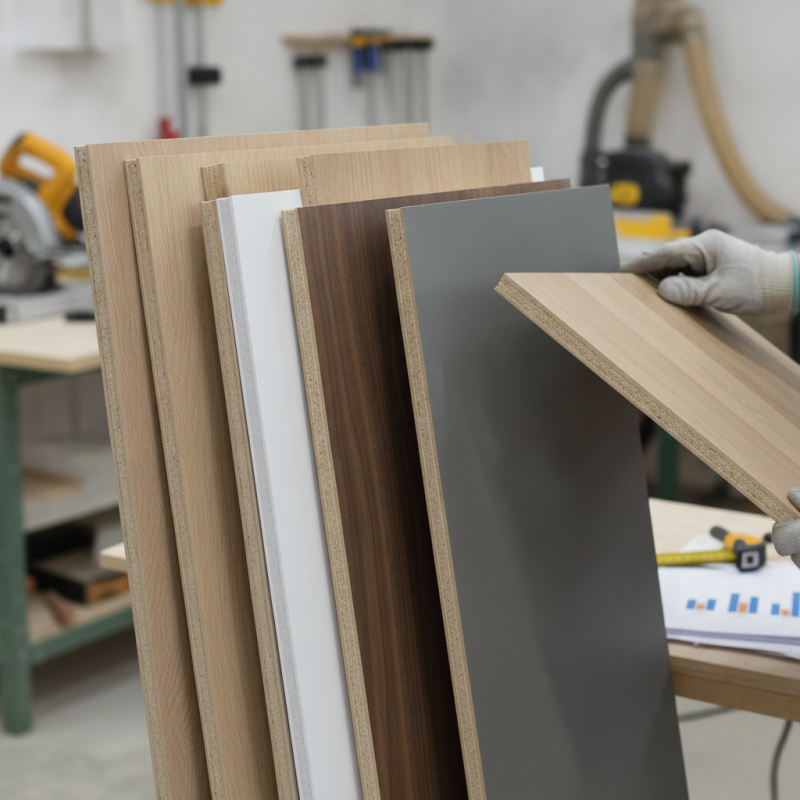
MDF panels, or Medium Density Fiberboard, are engineered wood products. They consist of wood fibers, wax, and resin. This mixture results in a dense and durable board. Studies indicate that MDF has a uniform texture, making it ideal for a variety of projects. Its smooth surface easily accepts paints and veneers, enhancing aesthetics. According to the Composite Panel Association, MDF constitutes about 35% of the North American panel market.

When selecting a Panel Mdf Board, consider thickness and density. Thicker boards provide more strength for heavy applications. A denser Mdf Board is more resistant to wear and damage. However, a heavier panel may be less convenient to work with. It's important to balance usability with desired outcomes. Not all MDF panels are created equal, so researching product specifications is crucial.

Tips: Always check moisture resistance levels in MDF. Some projects may require panels that resist humidity. This quality can significantly impact durability. Remember, not every MDF choice is perfect for every task. Evaluate the board's finish and texture to match your needs for seamless integration.

Comparative Analysis of MDF Panel Characteristics

Types of MDF Panels: An Overview of Different Variants

MDF panels have become a staple in many construction and furniture projects. There are several types of MDF panels available, each offering unique benefits. Moisture-resistant MDF is ideal for humid environments. It resists swelling and warping, making it suitable for bathrooms or kitchens. Research indicates that moisture-resistant MDF has a 20% lower failure rate than traditional MDF in damp conditions.

Another popular option is fire-retardant MDF. This variant undergoes specialized treatment to enhance its resistance to flames. It's an essential choice in commercial settings where fire safety codes are strict. According to industry reports, using fire-retardant MDF can reduce potential fire-related costs by up to 30% in high-risk areas. However, its higher price can be a deterrent.

Standard MDF is versatile and widely used for a range of applications. It works well for furniture and cabinetry due to its smooth surface. Users, however, should consider that standard MDF is more prone to damage from water and heavy impacts compared to other variants. This is where an Mdf Handy Panel may come into play, offering a lightweight and easier-to-handle solution. While it simplifies transport, it might not always provide the durability needed for every project. Each type must be chosen carefully based on project requirements and environmental factors.

Evaluating Density and Thickness: Key Factors in Selection

When selecting an Mdf Panel Board for your projects, density and thickness play crucial roles. Density affects the strength and durability of the panel. Higher density typically means better resistance to wear and tear. It also impacts the panel's ability to hold screws and nails. For instance, a denser board may provide enhanced stability for heavy-duty applications.

Thickness is another key factor. Thicker MDF panels are usually more robust, making them suitable for structural projects. However, they can be heavier and more challenging to handle. It’s essential to balance the need for strength with ease of use. If a project seems overwhelming, do not hesitate to ask for help or guidance.

Tips:When choosing an Mdf Panel Board, consider the specific requirements of your project. Think about the environment where it will be used. Are there potential moisture issues? You might want to explore moisture-resistant options. Finally, remember that not all panels are created equal. Always check for quality indicators before purchasing.

Surface Finishes: Choosing the Right Option for Your Needs

When selecting MDF panels, surface finishes play a crucial role. Primed Mdf Panels provide a ready-to-paint option, allowing for more flexibility. This surface finish is smooth and ensures easy application of colors. However, it may require additional sanding to achieve an ultra-smooth look.

Consider the environment where the panel will be used. For example, if it's in a moist area, a water-resistant finish might be necessary. An untreated panel can warp or swell over time. Such conditions need careful planning. Choosing the right surface finish can enhance durability.

Tips: Experiment with different finishes on scrap pieces first. This approach helps to visualize the outcome. Pay attention to drying times; some finishes take longer than others. Prototypes can save frustration later in the project. Always account for the intended end-use of the piece. It's better to invest time upfront than to deal with issues later.

Applications of MDF Panels: Where and How to Use Them

How to Choose the Best Mdf Panel for Your Projects?

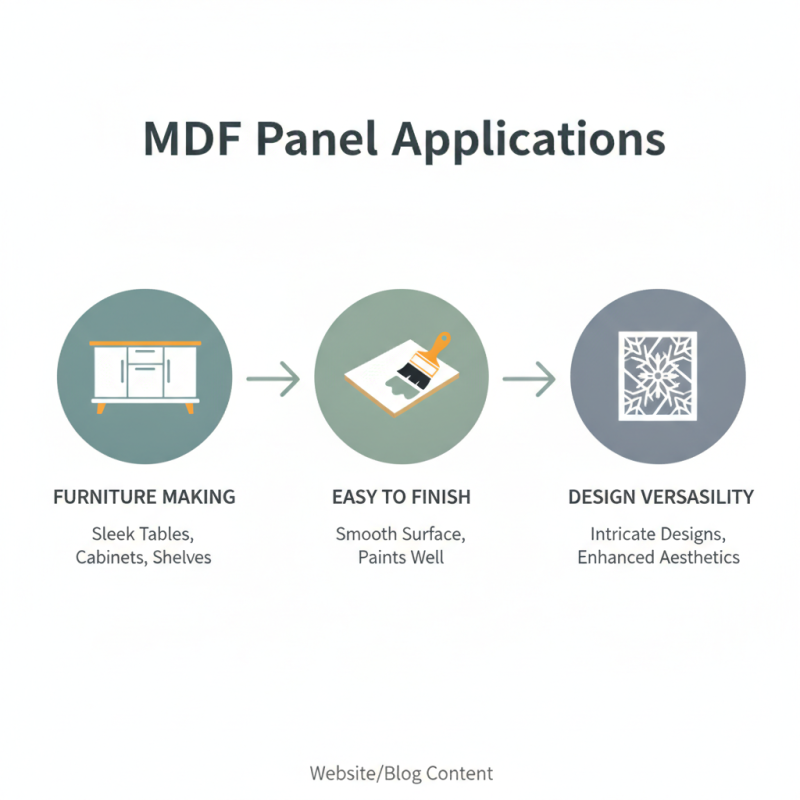
MDF panels have a wide range of applications. They are popular in furniture making due to their smooth surface. This surface makes it easy to paint and finish. You can create sleek tables, cabinets, and shelves with MDF. The versatility of MDF allows for intricate designs, enhancing the aesthetics of your projects.

In construction, MDF is often used for interior trim and molding. Its density provides excellent sound insulation, making it ideal for wall panels. However, it is not water-resistant, so using it in bathrooms or outdoor spaces is risky. Proper sealing can extend its lifespan, but consider the environment before use.

When using MDF, remember it can be heavy and challenging to maneuver. Ensure your workspace is organized to avoid accidents. Always wear a dust mask when cutting, as the dust can be harmful. While MDF offers many advantages, its limitations should be acknowledged. Careful planning is essential to maximize its potential in your projects.

Cost Considerations: Budgeting for Your MDF Panel Projects

When budgeting for MDF panel projects, costs vary significantly based on quality and type. Basic MDF panels typically range from $30 to $50 per sheet, offering affordability for many applications. For higher-quality or moisture-resistant options, prices can climb to $70 or more. Such factors can impact your overall project budget substantially.

Consider the long-term implications of your choice. A cheaper Mdf May lead to early deterioration in damp conditions, resulting in additional costs for replacements or repairs. According to industry reports, around 30% of construction budgets can exceed estimates due to unforeseen material costs. Being diligent about your MDF options can help prevent this.

It’s essential to balance cost with performance. Don't sacrifice quality for savings. Investing in premium MDF can enhance durability and reduce maintenance over time. A study shows that projects using high-quality panels often complete on time, improving overall project efficiency. Prioritizing quality could save more money in the long run.

How to Choose the Best MDF Panel for Your Projects? - Cost Considerations: Budgeting for Your MDF Panel Projects

MDF Panel Type Thickness (mm) Price per Square Meter ($) Best Use Case
Standard MDF 18 15.00 Furniture, Cabinets
Moisture Resistant MDF 18 18.00 Bathrooms, Kitchens
Fire Retardant MDF 18 25.00 Public Buildings, Exits
High-Density MDF 25 30.00 High-Quality Finishes
Ultra-Light MDF 12 12.00 Lightweight Projects

Environmental Impact: Choosing Eco-Friendly MDF Options

How to Choose the Best Mdf Panel for Your Projects?

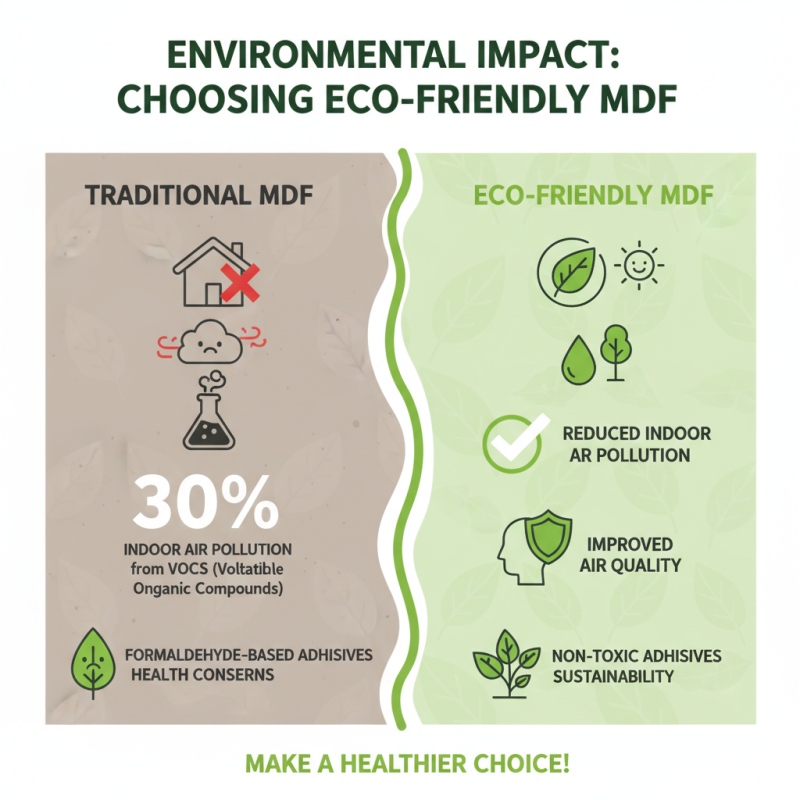
When selecting MDF panels, it’s vital to consider their environmental impact. Traditionally, MDF has been produced using formaldehyde-based adhesives. This raises concerns about indoor air quality and environmental sustainability. Recent studies indicate that up to 30% of indoor air pollution can be attributed to volatile organic compounds (VOCs) from building materials. Choosing eco-friendly MDF options can significantly reduce this risk.

Eco-friendly MDF panels often utilize water-based adhesives or natural lignin binding agents. According to the Global Alliance for Sustainable Solutions, the demand for low-emission MDF has increased by 40% in the last five years. Many consumers are now seeking products that comply with strict environmental standards. This shift promotes healthier indoor environments and reduces harmful emissions.

Moreover, sourcing MDF from sustainably managed forests is a crucial consideration. Panels certified by organizations like the Forest Stewardship Council (FSC) ensure responsible forestry practices. However, not all MDF claims are equal. It’s essential to verify certifications and understand sourcing practices. By doing so, builders and homeowners can make informed choices and lessen their ecological footprint.

Enhancing Interior Aesthetics: The Complete Guide to Wood Veneer Whole-House Coordinated Wall Panel Systems

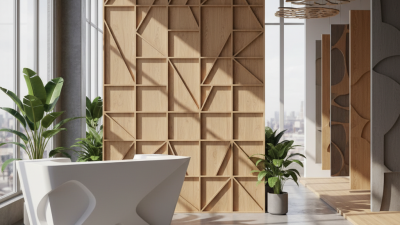
Enhancing the aesthetics of your interior spaces is made effortlessly achievable with a premium whole-house coordinated wall panel system. This system offers seamless color matching and zero chromatic aberration, ensuring a unified style that creates a harmonious and cohesive environment throughout your home. Whether it’s your living room, bedroom, kitchen, or bathroom, these wall panels elevate the overall aesthetic while providing superior durability.

Designed for both commercial and residential use, these wall panel systems are stain-proof and easy to clean, making maintenance a breeze. Their moisture, mildew, and scratch-resistant properties allow them to stand up to the demands of daily life in any room, retaining their new look for years to come. Eco-friendly and odorless, they meet international safety standards, making them a responsible choice for health-conscious homeowners.

Furthermore, the installation process is quick and straightforward, significantly reducing labor costs and saving you time. With these coordinated wall panels, enhancing your interior aesthetics is not just about design but also about investing in a sustainable, long-lasting solution that transforms your spaces into beautiful, cohesive areas that reflect your personal style.

FAQS

: What are the common uses for MDF panels?

: MDF panels are used in furniture, interior trim, and wall panels. Their smooth surface is great for painting.

What are the benefits of using MDF in furniture making?

MDF allows for intricate designs. It enhances the aesthetics of tables, cabinets, and shelves with its sleek finish.

Can MDF panels be used in bathrooms or outdoors?

MDF is not water-resistant. Using it in bathrooms or outdoor spaces is risky without proper sealing.

What safety measures should be taken when cutting MDF?

Always wear a dust mask when cutting MDF. The dust generated can be harmful to health.

How can I ensure the environmental impact of MDF is minimized?

Choose MDF with eco-friendly adhesives. Look for products that meet strict environmental standards to reduce emissions.

Why is sourcing important when selecting MDF panels?

Sourcing from sustainably managed forests is crucial. Verify certifications to ensure responsible forestry practices are followed.

What should I consider about the weight of MDF?

MDF can be heavy and hard to maneuver. Organize your workspace to avoid accidents and ensure safety.

Are all eco-friendly MDF claims trustworthy?

No, not all claims are equal. It's important to verify certifications and understand the sourcing of MDF.

What issues can arise when using MDF?

While MDF has advantages, it has limitations. Careful planning is essential to maximize its potential in projects.

How has the market shifted in recent years regarding MDF?

Demand for low-emission MDF has increased by 40% recently. Many consumers now seek more eco-friendly options.

Conclusion

Choosing the best MDF panel for your projects requires a comprehensive understanding of various factors. MDF panels, known for their versatility and smooth surface, come in different types, each suited for specific applications. When selecting an MDF panel, key considerations include the density and thickness, as these attributes significantly influence the panel's strength and usability. Additionally, the choice of surface finishes can affect the final appearance and durability of your project.

Understanding the applications of MDF panels is crucial, as they can be effectively used in furniture, cabinetry, and decorative projects. Budgeting is another important aspect, ensuring that you find an option that meets your financial constraints while still delivering quality. Lastly, with increasing awareness of environmental issues, opting for eco-friendly MDF options is a responsible choice that can minimize the environmental impact of your projects. Overall, this guide provides essential insights for selecting the right MDF panel tailored to your needs.

Ethan

Ethan

Ethan is a dedicated marketing professional at our comprehensive foreign trade enterprise, which seamlessly integrates research and development, production, sales, and service. With a profound expertise in our product offerings, Ethan plays a pivotal role in connecting our innovative decorative......
Previous Why Choose Birch Ply for Your Next Project?