contact
Leave Your Message
0%

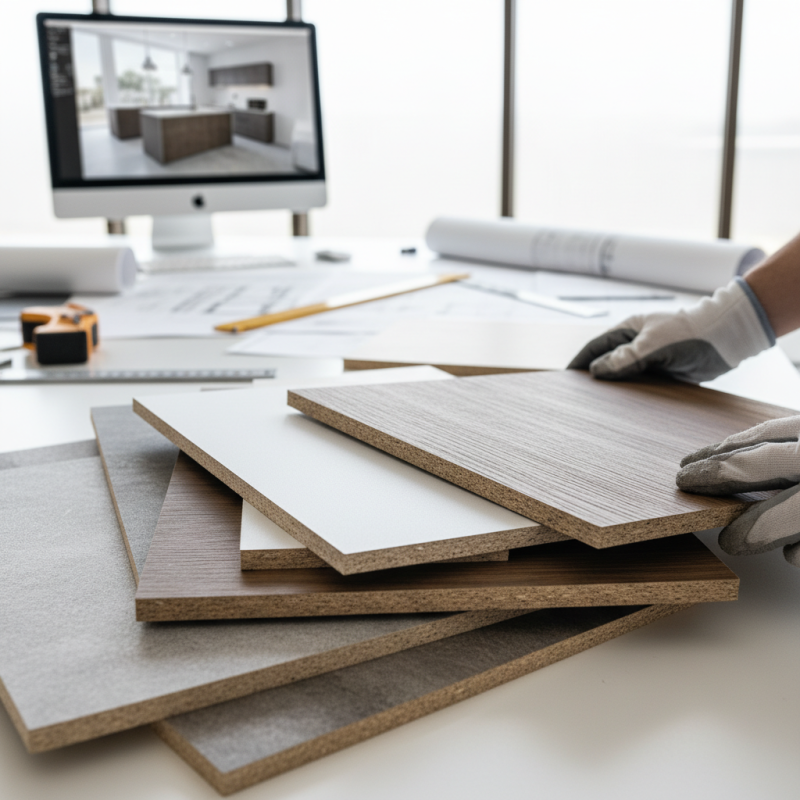
Picking out the right Melamine-Faced Board (MDF) for your project can actually be a bit tricky. There are a bunch of factors you'll want to consider before making a call. This type of board is pretty popular because it’s durable and looks good, but you’ve gotta think about what suits your needs best.

When you’re shopping for Melamine-Faced Mdf, it’s helpful to keep your project in mind. The thickness matters — it can influence how sturdy the finished piece is and how smooth the surface looks. Also, depending on what you’re building, you might care about certain textures or colors. Just keep in mind that there’s quite a bit of variety out there — not every board will fit every purpose.

Take a moment to think about what you actually need. Are you going for something elegant and fancy, or is practicality more your style? The nice thing about Melamine-Faced Mdf is it can do both, but it’s not always perfect for every situation. For example, some types aren’t great if they’re exposed to moisture over time. It’s worth considering how your choice might hold up as things change. Picking the right board the first time can save you a lot of hassle later, so take your time and choose wisely to be happy with the results down the line.

How to Choose the Right Melamine Faced Board for Your Project?

Understanding Melamine Faced Boards: Definition and Characteristics

How to Choose the Right Melamine Faced Board for Your Project?

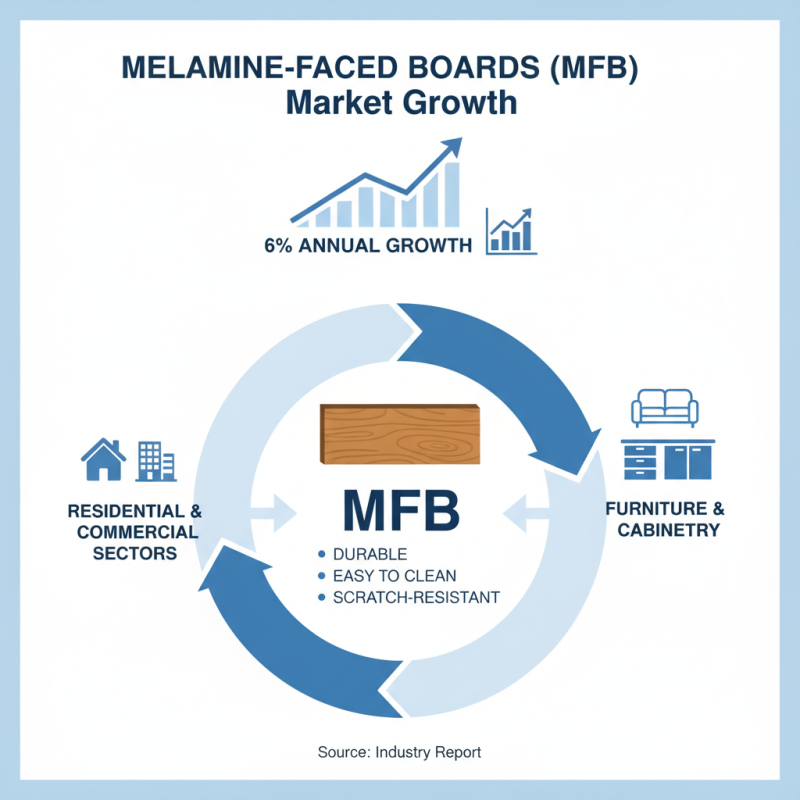
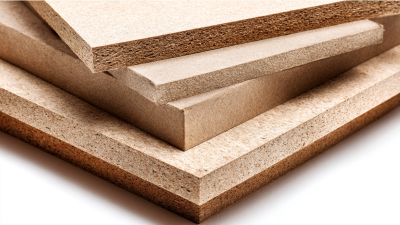
Melamine faced boards (MFB) are widely used in furniture and cabinetry. These boards are made from particleboard or MDF covered with a decorative melamine surface. This surface is durable, easy to clean, and resistant to scratches. According to a recent industry report, the melamine faced board market is projected to witness a growth rate of 6% annually. This is largely due to growing demands in residential and commercial sectors.

Choosing the right melamine faced board involves understanding its characteristics. MFB comes in various finishes, colors, and textures. A glossy finish can enhance lighting, while a matte finish offers a more subdued look. Additionally, thickness varies. Common options include 16mm and 18mm. Each thickness provides different levels of sturdiness, with thicker boards often being more durable. However, some projects may not need such robustness, leading to potential overspending.

Tip: Before purchasing, evaluate the intended use. If the board is for low-traffic areas, a thinner option may suffice.

Consider environmental factors too. Some MFBs may off-gas formaldehyde. Eco-friendly alternatives are available. They often feature lower emissions, enhancing indoor air quality. This could be crucial for sensitive environments, such as schools or hospitals.

Tip: Always check certifications for low emissions. It’s a step that should not be overlooked.

Key Factors in Selecting Melamine Faced Boards for Different Projects

When selecting melamine faced boards, several key factors come into play. Thickness is crucial. Thicker boards often offer better durability. For kitchen projects, opt for boards with a higher density. They withstand moisture and heat well. Color and finish matter too. Choose shades that complement your design. Light colors can create an illusion of space. Dark shades add warmth but may make a room feel smaller.

Consider the application of the boards. For furniture, select boards that resist scratching and heat. In contrast, for cabinetry, aesthetics may take precedence. A decorative finish can enhance visual appeal but might not always provide the same level of durability. Be mindful of your environment. Humidity can impact board performance, leading to warping or peeling.

Budget is another factor. High-quality options may be pricier but often provide better long-term value. Cheaper boards might appear appealing initially. However, they could require replacements sooner. Reflect on your project’s needs. Sometimes compromise is necessary, but do not overlook quality to save money. Your choices in melamine faced boards can significantly impact the overall success of your project. Choose wisely, and it may lead to a more satisfactory outcome.

Comparative Analysis of Melamine Faced Board Thickness and Durability

When selecting Melamine Faced Boards for your project, thickness and durability are critical factors. Industry reports indicate that thicker boards typically offer improved durability. For instance, boards with a thickness of 18mm often exhibit better resistance to wear and tear compared to 12mm options. This is crucial in high-traffic areas where damage can occur quickly. A 2022 analysis showed that the lifespan of thicker boards could extend by up to 30%.

However, while durability increases with thickness, not all projects require heavy-duty materials. In less demanding applications, such as cabinetry or lightweight furniture, thinner Melamine Faced Mdf can still perform adequately. The choice between thicknesses should be considered alongside aesthetic goals. A sleek, minimalist design may favor thinner boards, although they might compromise on longevity.

Moreover, environmental factors play a role. High humidity can warp thinner boards over time, despite their lower initial cost. Still, some professionals overlook these factors, focusing solely on budget constraints. Balancing cost with durability and suitability is essential for a successful project, and sometimes it demands uncomfortable compromises.

The Impact of Surface Finishes on Melamine Faced Board Selection

When selecting a Melamine Faced Board, the surface finish plays a crucial role. Different finishes affect durability, appearance, and maintenance. According to industry reports, boards with a high-gloss finish are more resistant to scratches but can show fingerprints easily. Matte finishes are less prone to smudges, making them a popular choice for kitchens and living areas.

Tip: Consider the use case when choosing a finish. For high-traffic areas, opt for scratch-resistant surfaces.

In addition to wear, finishes impact the overall aesthetic. A textured surface can add depth but might be harder to clean. Glossy finishes reflect light, enhancing small spaces. However, they may require more upkeep.

Tip: Assess your cleaning habits before deciding on a finish. Some surfaces demand frequent polishing.

Lastly, the choice of finish can influence the longevity of your Melamine Faced Board. Regular exposure to moisture and sunlight can degrade certain finishes over time. Always ask for performance data before making a final decision. Careful consideration will ensure your project stands the test of time.

Cost Considerations: Budgeting for Melamine Faced Boards

When budgeting for Melamine Faced Boards, you need to consider several factors. The quality greatly influences the price, so choose wisely. Some cheaper options may not last long. Examining your project's scope is crucial. Will you need a lot of boards? Bulk purchases might save you money. But beware: lower prices can sometimes mean lower quality.

It's important to keep the overall aesthetics in mind, too. Melamine Faced Ply comes in various colors and textures. Cheaper options might look bland or wear easily. Think about the longevity of your investment. A little extra upfront could save costs on replacements later.

You might also face additional costs, like shipping or finishing. These can sneak up on you. Always get quotes and check your local suppliers. Create a budget that includes all potential expenses. This careful planning helps ensure your project remains on track. Balancing cost and quality is an ongoing challenge.

Cost Considerations for Melamine Faced Boards

Sustainability Aspects of Melamine Faced Boards in Construction

Melamine faced boards (MFBs) are increasingly popular in sustainable construction. They are designed using a resin-impregnated paper that provides a durable and aesthetically pleasing surface. According to recent industry reports, MFBs can improve the lifespan of furniture and fixtures, reducing the need for replacements. This longevity is crucial in minimizing waste and conserving resources.

Sustainability also hinges on sourcing raw materials responsibly. Many manufacturers now use recycled wood fibers in their production processes. Data suggests that incorporating recycled materials can reduce energy consumption by up to 40%. However, not all MFBs are created equal. Some may still rely on virgin timber, posing questions about forest management practices. These ethical concerns are essential for builders to consider.

While MFBs may offer various environmental benefits, the production process can be resource-intensive. The adhesives and chemicals used in some boards can emit volatile organic compounds (VOCs). These emissions must not be overlooked. Balancing aesthetics, durability, and environmental impact remains a challenge for the industry. Stakeholders should critically assess their choices to promote a genuinely sustainable future in construction.

Industry Trends: Innovations in Melamine Faced Board Manufacturing

The melamine faced board industry is evolving rapidly. Innovations in manufacturing techniques are making these boards more versatile. New technologies are enhancing durability and aesthetics. These developments cater to a broader range of applications, from residential furniture to commercial interiors.

Tips for selecting the right melamine faced board include considering texture and finish. A smooth finish works well for modern designs. However, a textured surface adds character to traditional spaces. Look for boards with varied colors and patterns. This diversity can elevate the overall look of any project.

Another key factor is environmental impact. Sustainable Mdf Melamine Board options are becoming popular. These boards not only meet quality standards but also eco-friendly criteria. As you explore choices, remember that quality should not be compromised for cost. Balancing aesthetic appeal and sustainability can be challenging. Reflection on priorities may lead to better decisions for your project.

FAQS

: What factors are crucial when selecting Melamine Faced Boards?

: Thickness and durability are critical factors to consider for any project.

How does board thickness affect durability?

Thicker boards usually offer better durability. For example, 18mm boards resist wear more than 12mm boards.

Are thinner boards suitable for any applications?

Yes, for less demanding contexts like cabinetry, thinner boards can still work well.

How much can thicker boards extend lifespan?

Thicker boards may prolong lifespan by up to 30%, especially in high-traffic areas.

What environmental factors should be considered?

High humidity can warp thinner boards, which might be overlooked by some professionals.

How do MFBs contribute to sustainability?

MFBs improve the lifespan of furniture, helping reduce waste and conserve resources.

What is the role of recycled materials in production?

Using recycled wood fibers can cut energy use by up to 40%, but not all boards utilize them.

Are there concerns about the materials used in MFBs?

Yes, some boards may contain virgin timber, raising questions about forest management practices.

What challenge does the production process pose?

The production can be resource-intensive and may emit volatile organic compounds (VOCs).

Why is balancing aesthetics and durability important?

Aesthetic choices could compromise longevity, which remains an essential trade-off in construction.

Conclusion

When selecting the appropriate Melamine-Faced Board (MDF) for a project, it's crucial to understand its definition and characteristics. These boards are known for their durability and aesthetic appeal, making them suitable for various applications. Key factors to consider include the thickness and durability of the boards, as these elements can significantly influence the performance under different conditions. Additionally, the choice of surface finishes can affect not only the visual outcome but also the maintenance requirements of the final product.

Cost is another essential consideration when budgeting for Melamine-Faced Boards; understanding price variations can help in making informed decisions. Furthermore, sustainability aspects are becoming increasingly important in construction, prompting a shift towards more eco-friendly MDF options. Lastly, staying updated on industry trends and innovations in manufacturing processes can provide valuable insights, ensuring that the selected materials not only meet current standards but also contribute to future advancements in the field.

Lila

Lila

Lila is a seasoned marketing professional at our comprehensive foreign trade enterprise, where she plays a pivotal role in integrating research and development, production, sales, and service. With a profound understanding of our product line, Lila excels in delivering innovative and high-quality......
Previous 7 Best Practices for Choosing the Perfect Pet Board for Your Furry Friend