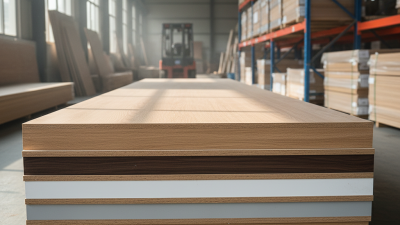
Picking the right OSB interior for your project can really make a difference, not just in how it looks but also in how sturdy it is. You know, industry reports often show that OSB (that's Oriented Strand Board) is still a top pick for interior uses because it’s so versatile and strong. I remember reading a study from the Forest Products Laboratory that mentioned OSB interiors can perform just as well as plywood, especially when it comes to load-bearing stuff.
John Smith, who’s pretty much an expert at OSB Innovations, once said, “Choosing the right OSB interior can really boost the longevity of your build.” It’s a good reminder that understanding the material’s properties and how they match your project’s needs is super important. Things like moisture resistance, insulation benefits, and sustainability should all be on your radar when making a decision.
Now, while OSB interiors are often a budget-friendly option, they can have their challenges, especially if not installed properly. For example, if moisture gets in over time, it could cause issues. So, it’s really worth weighing the costs against potential problems before you finalize your choice. And getting familiar with the details of Osb Board will definitely help you make a smarter call for your project.
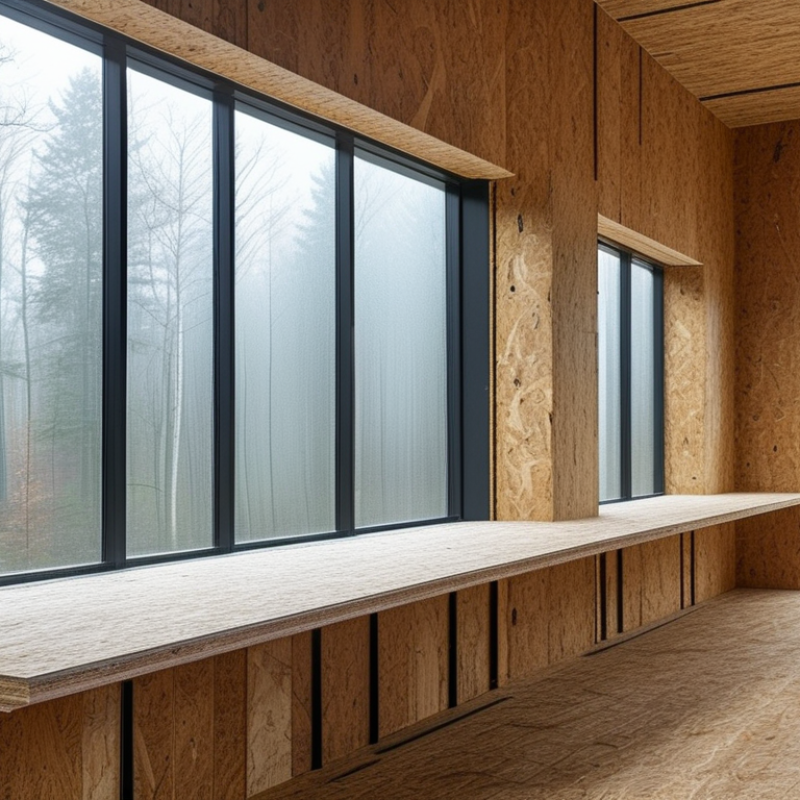
Understanding OSB: What is Oriented Strand Board?
Oriented Strand Board (OSB) is a type of engineered wood product. It is made from thin strands of wood. These strands are bonded together with adhesive and compressed. This process creates a strong and durable panel. OSB is widely used in construction, particularly in framing and sheathing. Its versatility makes it a popular choice.
When selecting OSB, consider the environment. Some grades are moisture resistant, while others are not. If your project is in a damp area, opt for moisture-resistant OSB. Additionally, always check for the performance ratings. Different applications require different strengths.
**Tip:** Pay attention to the surface. OSB can have a rough texture. If you need a smooth finish, sand it down.
Not all OSB is the same. You may notice variations in thickness and density. These can affect overall performance. Think about your project's requirements carefully. Opting for lower quality can lead to structural issues down the road.
**Tip:** Keep OSB dry until installation. This prevents warping and ensures better performance.
OSB is not perfect; it can swell when wet. Always store it properly to avoid moisture damage. Carefully assess your needs before making a decision. Understanding these details will help you choose the right OSB for your projects.
Types of OSB Available for Interior Projects
When selecting OSB for interior projects, it is essential to understand the various types available. Oriented Strand Board (OSB) comes in different grades, each designed for specific applications. For interiors, you might consider OSB Type 1, which offers excellent dimensional stability. It's commonly used in flooring and wall sheathing. According to industry reports, OSB demand has surged, seeing a growth rate of about 5% annually due to its cost-effectiveness and eco-friendly properties.
Another key option is moisture-resistant OSB, suitable for areas that may experience humidity. This product is engineered with special adhesives that resist moisture. A study by the Forest Products Laboratory indicates that moisture-resistant OSB can outperform regular OSB in humid conditions, lasting significantly longer. This translates to reduced maintenance costs over time.
It's also vital to consider the environmental impact when choosing OSB. Sustainable sourcing is increasingly important, with 30% of OSB now derived from recycled wood fibers. While OSB is often praised for its sustainability, buyers should reflect on the lifecycle of their materials and ensure they are sourced responsibly. These choices can significantly affect your project’s overall impact.
Factors to Consider When Choosing OSB for Interiors
Choosing the right OSB (Oriented Strand Board) for your interior projects can be crucial. Factors such as durability, aesthetics, and cost play a significant role in your decision. OSB can be a cost-effective alternative to plywood, especially for interior applications. Its surface is often smooth, making it suitable for painting or finishing.
When selecting OSB, consider its moisture resistance. This is vital for areas prone to humidity, like kitchens and bathrooms. However, if the OSB isn’t properly sealed, it can swell and warp over time. Always check the specifications to ensure it fits your environmental needs.
Tips: Look for OSB rated for interior use. It often has additional treatments for better performance. Think about the design as well. OSB can offer a rustic, industrial look that’s attractive if paired with suitable decor. You might also explore alternatives like Interior Mdf Board for a smooth finish. MDF can provide superior aesthetics in certain designs.
Don’t forget to think about your project's long-term needs. OSB may not be ideal for every scenario. It can perform well but may require additional maintenance and care. Be honest about what your project demands. This reflection can guide you to a more informed choice.
Evaluating OSB Quality: Key Standards and Grades
When selecting the right OSB (Oriented Strand Board) for your interior projects, understanding the quality standards and grades is essential. Osb Boards come in various grades, which are determined by their intended use and performance characteristics. Common grades include OSB/1, OSB/2, OSB/3, and OSB/4. Each grade reflects factors such as moisture resistance and load-bearing capacity. Higher-grade boards generally offer better durability, but they might also be more costly.
Evaluating OSB quality involves looking at specific standards that govern manufacturing practices. For instance, the APA (The Engineered Wood Association) sets rigorous guidelines for OSB products, ensuring they meet safety and performance criteria. Certifications from regulatory bodies help establish reliability. However, not all Osb Boards are the same. Some may have excessive knots or uneven surfaces that can affect appearance and strength. It's crucial to inspect the boards before purchasing.
Not every project requires top-grade OSB. Sometimes, lower grades suffice for internal walls, while complexities in design may call for premium options. Understanding the relationship between grade and application helps avoid overspending. Reflect on the demands of your project and choose wisely. Each OSB selection is a balance between cost, performance, and the desired outcome.
Common Applications of OSB in Interior Design
OSB, or oriented strand board, is widely used in interior design due to its versatility and cost-effectiveness. Common applications include flooring, wall sheathing, and cabinetry. According to a report by the National Wood Flooring Association, OSB is preferred in 40% of new construction projects. Its lightweight nature makes it easier for builders to handle, while its structural integrity supports a variety of design elements.
When incorporating OSB into your projects, think about aesthetics. The natural texture of OSB can enhance the industrial design look. Using OSB for decorative wall panels can add rustic charm to modern spaces.
Tips: Consider staining or sealing OSB to improve moisture resistance. This step can extend the lifespan of your installation and maintain its appearance.
However, one must acknowledge potential downsides. OSB can absorb moisture and swell if not treated properly. According to the Engineered Wood Association, untreated OSB may have a reduced service life in high-humidity areas.
Tips: Always choose moisture-resistant OSB for kitchens and bathrooms. There is room for improvement in its environmental impact as well. Although OSB is recyclable, it should be sourced responsibly. Balancing design and sustainability can lead to better choices in interior projects.
Cost Considerations for OSB in Your Projects
When considering OSB for interior projects, cost plays a significant role. Industry reports indicate that the price of OSB has fluctuated over the years. Currently, the average cost ranges from $7 to $12 per sheet, depending on thickness and grade. This price variance can impact project budgets significantly, especially for larger renovations. Choosing OSB that meets project requirements can also affect overall costs. Thinner sheets may save money but might not provide the needed durability.
In addition to material costs, labor expenses should not be overlooked. Reports suggest that OSB installation may require additional labor compared to other materials. Calculating these potential costs beforehand is crucial. Projects must factor in waste and contingencies. Quality issues could arise if cheaper options are selected. A flimsy OSB might lead to long-term expenses, such as replacements. Such reflections highlight the need for careful planning and budgeting.
Further evaluation of regional pricing can aid in making informed decisions. Variations exist based on location and availability of materials. Understanding these factors is essential for developing a realistic budget. If cost concerns overshadow quality, it may result in compromised project integrity. Balancing cost with performance can ensure a successful outcome.
Sustainability and Environmental Impact of OSB Use
Choosing the right oriented strand board (OSB) for your projects impacts both function and the environment. OSB is widely recognized for its cost-effectiveness and strength. However, it’s crucial to consider its sustainability. According to the Composite Panel Association, OSB is made from fast-growing trees, which helps reduce deforestation and promotes sustainable forest management.
The environmental impact of OSB mainly relates to the adhesives used in its production. Many modern OSB panels incorporate low-emission adhesives. This reduces harmful volatile organic compounds (VOCs) entering the air. Data from the U.S. Environmental Protection Agency indicates that OSB can be a more eco-friendly choice compared to traditional wood products when considering emissions.
**Tips:** Always check for certification labels on the products. Look for eco-labels indicating low-emission standards. These certifications can help you select safer options.
Consider the source of the wood strands. OSB with Certified Sustainable Forest Management logos ensures responsible sourcing. This choice not only supports the environment but also enhances your project’s longevity.
Be aware of your OSB’s lifecycle. While its production is less resource-intensive than solid wood, disposal still poses challenges. Explore recycling options in your area. Engaging responsibly with OSB usage requires reflection on both its benefits and potential environmental drawbacks.
FAQS
: OSB Type 1 is commonly used for flooring and wall sheathing. It offers excellent dimensional stability for these applications.
Moisture-resistant OSB is important for humid areas. It uses special adhesives that can resist moisture and last longer.
The environmental impact of OSB is significant. Sustainable sourcing is vital, with 30% derived from recycled wood fibers.
Common grades include OSB/1, OSB/2, OSB/3, and OSB/4. Each grade indicates moisture resistance and load-bearing capacity.
Evaluate OSB quality by checking manufacturing standards. Look for certifications and inspect the boards for knots or uneven surfaces.
Not always. Lower grades can work for internal walls. Consider project demands to avoid unnecessary spending.
OSB demand has grown at about 5% annually, mainly due to its cost-effectiveness and eco-friendly properties.
Certifications ensure OSB products meet safety and performance standards. They help establish the reliability of the materials used.
Not all Osb Boards are the same in quality. It’s essential to inspect each board before purchase for potential flaws.
Yes, reflecting on the lifecycle is crucial. Responsible sourcing of materials impacts your project's overall sustainability and effectiveness.
Conclusion
When embarking on interior projects, understanding the nuances of OSB (Oriented Strand Board) is crucial. OSB interior offers several types that cater to various design needs, making it an appealing choice for both aesthetics and functionality. Factors such as thickness, density, and intended use should be carefully evaluated to select the most suitable OSB for your project. Additionally, assessing OSB quality through established standards and grades ensures durability and performance.
Common applications of OSB in interior design include wall sheathing, flooring, and furniture, showcasing its versatility. Cost considerations are also important; while OSB may offer economical advantages, it's essential to balance cost with quality and long-term sustainability. Finally, OSB is often regarded as an environmentally friendly option due to its sustainable manufacturing practices. By carefully considering these aspects, you can successfully integrate OSB interior into your designs while meeting both aesthetic and practical requirements.

 1Durch die gruppenweite Einführung und Harmonisierung unseres integrierten Managementsystems (IMS) werden alle bestehenden Unternehmens-, Qualitäts-, Umwelt- und Energiepolitiken durch diese Unternehmenspolitik ersetzt. Der Slogan „Textil hat Zukunft – auch in De