Picking the right materials for your home projects really matters, especially when you're trying to combat moisture issues that can cause stuff to deteriorate over time. Lately, Moisture-Proof Boards are pretty much becoming a go-to for homeowners and builders alike. They’re great because they can handle damp conditions without messing up the structure of your home. As John Smith, an expert in moisture control from the National Association of Building Materials, puts it, "Choosing the right Moisture-Proof Board not only protects your investment but also boosts the overall quality of your house."
Today, there’s a whole bunch of Moisture-Proof Boards out there, each tailored to different needs and standards. Honestly, it can get a bit overwhelming — whether you're doing it yourself or a pro — trying to figure out if fiber cement boards or polymer-based panels are the best fit. The key is to understand what makes each one special, what perks they have, and where they’re best used. That way, you can make a smart choice that lines up with your project goals.
This guide’s gonna take you through what really counts when choosing the perfect Moisture-Proof Board for your home. We’ll go over different materials, how they perform in various environments, and share some expert tips along the way. My goal is to give you the knowledge you need so your project stays solid, safe, and moisture-free for years to come. Remember, going for good quality and the right specs is what really makes the difference — it’s all about keeping your home protected and lasting longer.”
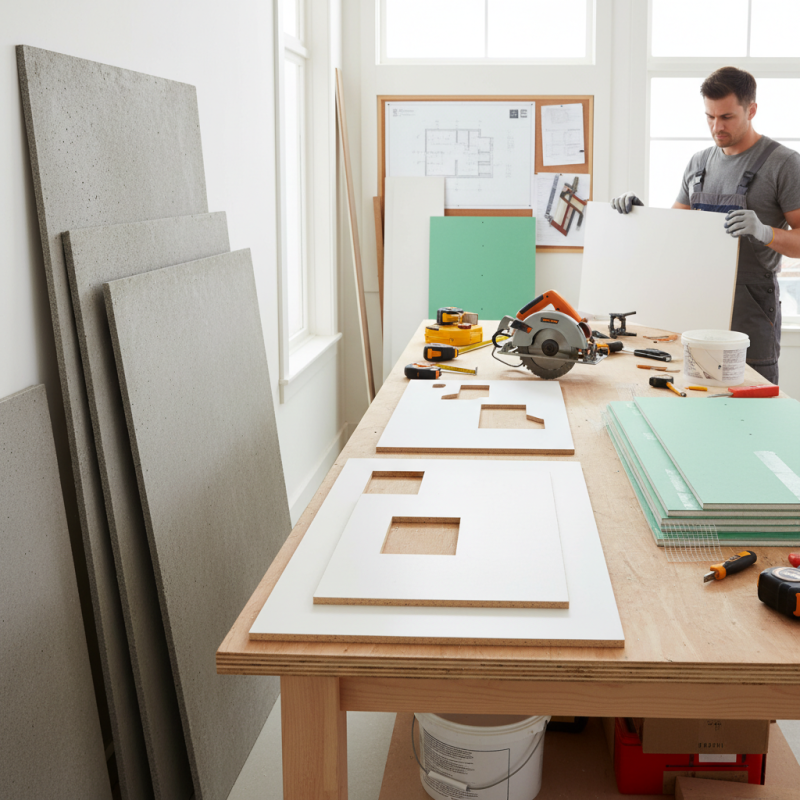
Understanding Moisture-Proof Boards: Types and Properties
When selecting the best moisture-proof board for your home projects, it's essential to understand the various types and their properties. Moisture-proof boards, commonly made from materials like fiberglass, cement, or wood composites, are designed to resist water damage and mold growth. Each type has unique properties; for instance, fiberglass boards are lightweight and offer excellent resistance to moisture, while cement boards provide superior durability and rigidity, making them suitable for high-moisture areas such as bathrooms and kitchens.
Choosing the right board depends on your specific project requirements. If you're looking for ease of installation and a lightweight option, fiberglass may be the way to go. Conversely, if your project demands structural strength and moisture resilience, a cement board would be ideal. Always consider the location and the level of moisture exposure to pick the most fitting material.
Tips: Remember to check the board's thickness and density, as these factors can impact its moisture resistance. Also, ensure proper sealing during installation to maximize the board's effectiveness against moisture infiltration. Lastly, consider the board’s fire rating if you're working on projects near heat sources to ensure safety.
How to Choose the Best Moisture-Proof Board for Your Home Projects?
| Type | Material | Moisture Resistance | Applications |
| Plywood | Wood and adhesive layers | Moderate | Flooring, cabinetry, general construction |
| MDF | Wood fibers and adhesives | Low to moderate | Furniture, cabinetry, decorative applications |
| OSB | Oriented strand board | Moderate | Sheathing, flooring, roofing |
| PVC Board | Polyvinyl chloride | High | Exterior applications, kitchen and bathroom fixtures |
| Fiberglass Board | Fiberglass composites | Very high | Wet environments, swimming pools, basements |
Key Factors to Consider When Choosing Moisture-Proof Boards
When selecting the best moisture-proof board for your home projects, there are several key factors to consider. Firstly, understanding the material composition is crucial. Moisture-proof boards can be made from various materials including MDF, plywood, and cement fiberboard, each offering different levels of resistance to humidity and water damage. According to a recent industry report, Mdf Boards with moisture-resistant additives can outperform standard MDF in moisture environments by up to 30%, making them a popular choice for areas like kitchens and bathrooms where humidity levels can be elevated.
Another important factor is the board's density and thickness. Thicker boards tend to offer better moisture resistance due to their ability to withstand water infiltration. The same industry report indicates that moisture-proof boards with a thickness greater than 18mm demonstrate significantly lower water absorption rates, reducing the risk of warping and damage over time. Additionally, it is essential to consider the board's finish. A sealed or coated finish can enhance moisture resistance, particularly in environments prone to direct contact with water, making it vital to select a board that meets these durability standards for your specific project requirements.
Comparing Common Materials for Moisture-Proof Boards
When selecting moisture-proof boards for home projects, it's essential to compare the common materials available to make an informed choice. One popular option is expanded polystyrene (EPS), known for its lightweight characteristics and excellent insulation properties. EPS boards resist moisture effectively, making them suitable for areas prone to humidity, such as basements and bathrooms. However, while EPS offers good performance, it can be less durable than other materials and may require additional protective measures.
Another commonly used material is cement board, which is highly robust and designed specifically for moisture exposure. It is often favored in wet environments, such as shower stalls and kitchens, due to its resistance to mold and mildew. Cement boards offer excellent durability and structural integrity, though they can be heavier and more challenging to work with compared to lighter materials like EPS. Ultimately, the choice between these materials will depend on the specific needs of your project, including the environment, weight considerations, and installation requirements.
Evaluating the Durability and Resistance of Moisture-Proof Boards
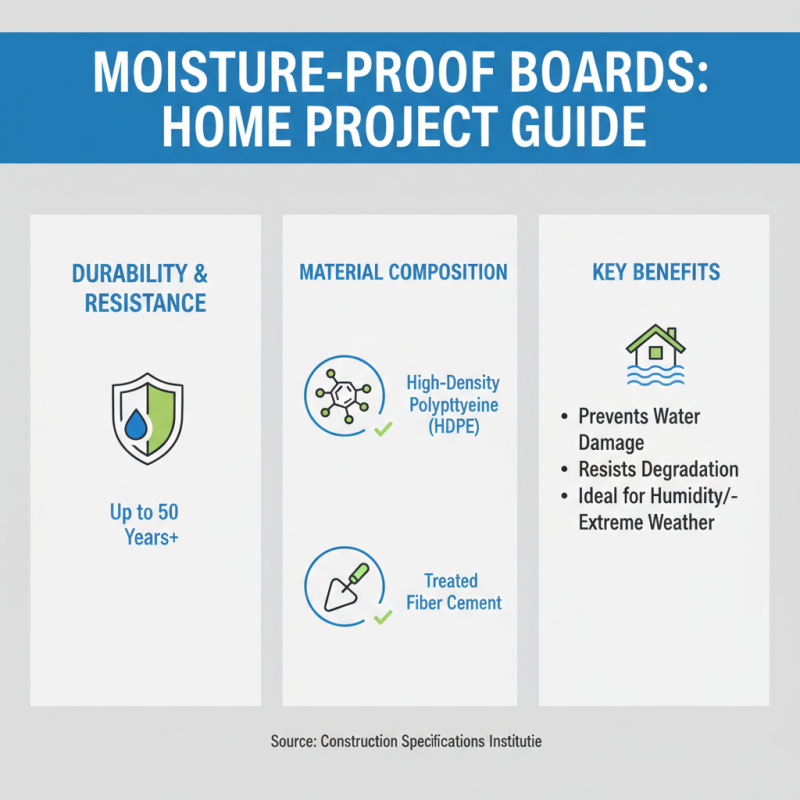
When evaluating moisture-proof boards for home projects, an essential aspect to consider is their durability and resistance to moisture. According to industry reports from the Construction Specifications Institute, the performance of moisture-proof boards significantly hinges on their material composition. For instance, boards made from high-density polyethylene or treated fiber cement typically exhibit superior resistance to water damage and degradation over time, lasting up to 50 years in some environments. This longevity is critical in regions with high humidity or extreme weather conditions.
In addition to material selection, the application process plays a crucial role in ensuring the boards' resistance. Studies from the American Society for Testing and Materials indicate that properly sealed and installed moisture-proof boards can withstand direct moisture exposure without warping or cracking. The use of appropriate adhesives and sealants further enhances their protective qualities, providing an extra layer against potential water intrusion. When selecting moisture-proof boards, homeowners should carefully assess these factors to ensure their projects are both durable and resistant to the challenges posed by moisture.
Installation Tips for Moisture-Proof Boards in Home Projects
When it comes to installing moisture-proof boards in home projects, proper installation is crucial for maximizing their effectiveness and longevity. According to a report by the Building Materials Association, nearly 30% of homeowners experience issues related to moisture damage, particularly in areas like bathrooms and kitchens. To mitigate these risks, ensure that surface preparation is thorough; all surfaces should be clean, dry, and free from dust or debris. Using a level and measuring appropriately before cutting the boards will help achieve a neat and effective fit.
Another vital aspect of installation is the use of appropriate adhesive and fasteners. The International Code Council recommends moisture-resistant adhesives for securing boards in high-humidity areas. Additionally, when attaching the boards, it's essential to maintain proper spacing between them to allow for expansion and contraction—this helps to prevent buckling or warping over time. A study from the National Association of Home Builders highlights that improper installation of moisture-proof materials can reduce their effectiveness by up to 40%. Thus, following best practices in installation not only improves the durability of moisture-proof boards but also enhances the overall integrity of your home project.
Budgeting for Your Moisture-Proof Board Selection
When budgeting for your moisture-proof board selection, it’s essential to assess your project requirements and financial limitations carefully. Start by determining the size and scope of the areas you plan to cover. This will help you estimate how much moisture-proof board you’ll need, allowing for a precise calculation of material costs. Consider not only the price of the boards but also any additional expenses such as adhesives, fasteners, and tools necessary for installation. Setting a budget that encompasses all related costs will prevent surprises down the line.
In addition to immediate expenses, think about long-term value. While it may be tempting to choose the cheapest option available, investing in higher-quality moisture-proof boards can lead to significant savings in the future. Cheaper boards may require more frequent replacements or lead to increased maintenance costs if they fail to provide adequate moisture protection. By balancing upfront costs with potential long-term savings, you can make an informed choice that aligns with both your budget and your project's demands.
Maintaining Moisture-Proof Boards for Longevity and Performance
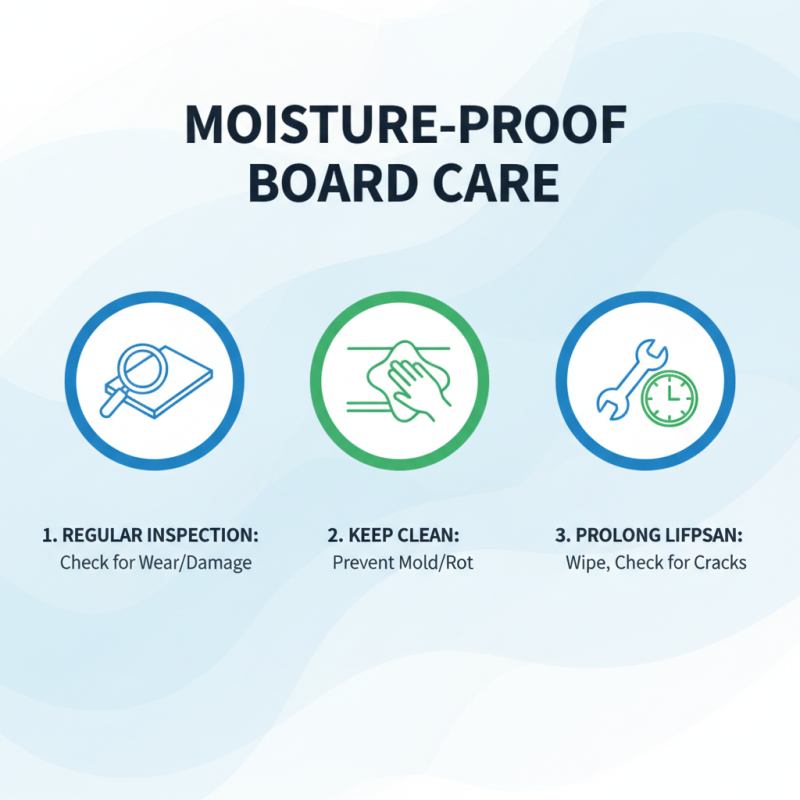
Maintaining moisture-proof boards properly is essential for ensuring their longevity and optimal performance in various home projects. One of the key aspects to consider is regular inspection for any signs of wear or damage. Even moisture-proof materials can be susceptible to issues over time if they are not maintained correctly. Keeping the boards clean and free from debris will help prevent moisture retention that can lead to mold or rot. A simple routine of wiping down surfaces and checking for any cracks or warping can go a long way in extending the life of the material.
Additionally, proper installation is crucial for maintaining the integrity of moisture-proof boards. Ensuring that they are sealed correctly at joints and edges can prevent water infiltration, which is a common cause of deterioration. Applying protective coatings or finishes can enhance their moisture-resistance properties. Furthermore, being mindful of the environment in which they are installed—such as avoiding direct exposure to excessive moisture or extreme temperature fluctuations—will help preserve their functionality. By taking these steps, homeowners can maximize the performance of moisture-proof boards and reduce the need for replacements or repairs in the future.
Exploring the Strength and Versatility of High Strength OSB Board: Key Insights from Industry Reports on Structural Applications and Trends
High Strength OSB (Oriented Strand Board) has emerged as a pivotal material in the construction and furniture industries, thanks to its impressive properties and versatility. Recent industry reports indicate that products conforming to BS1088 standards can withstand boiling water for up to 72 hours without adhesive failure, thereby exhibiting exceptional moisture resistance. This attribute positions High Strength OSB as an ideal choice for high-end applications, including yachts, cabinets, and bathroom fixtures, where exposure to humid conditions is a concern.
Moreover, the structural integrity of High Strength OSB is further enhanced by the use of environmentally friendly resins that significantly reduce formaldehyde emissions. These low-VOC options not only promote healthier indoor air quality, making them suitable for families with children, but also ensure stability against moisture and deformation. Reports highlight that this type of OSB boasts strong load-bearing capacities, making it perfect for constructing robust furniture such as cabinets, bookshelves, and bed boards, capable of enduring significant weight without compromising durability.
Additionally, the aesthetic qualities of High Strength OSB contribute to its popularity among designers and consumers alike. With a natural surface texture, it seamlessly complements both industrial and rustic decor styles, offering a sophisticated look that enhances any space. Industry insights suggest that as trends shift towards sustainable and stylish materials, the demand for High Strength OSB will continue to grow, reinforcing its status as a top contender in structural applications.
FAQS
: Moisture-proof boards are commonly made from materials like fiberglass, cement, or wood composites, each designed to resist water damage and mold growth.
The right board depends on your specific project requirements, considering factors such as ease of installation, durability, and the level of moisture exposure.
Fiberglass boards are lightweight and offer excellent resistance to moisture, making them suitable for projects that require easy handling.
Cement boards provide superior durability and rigidity, making them ideal for high-moisture areas like bathrooms and kitchens where structural strength is necessary.
Regular inspections for signs of wear or damage are important to ensure optimal performance and longevity of moisture-proof boards.
Keeping the boards clean, checking for cracks, and ensuring proper sealing during installation are key steps to prevent moisture retention and deterioration.
Yes, the thickness and density of moisture-proof boards can impact their level of moisture resistance, and it's important to consider these factors when selecting a board.
Applying protective coatings or finishes and ensuring proper sealing at joints and edges can enhance the moisture-resistance properties of moisture-proof boards.
Avoiding direct exposure to excessive moisture or extreme temperature fluctuations is essential for preserving the functionality of moisture-proof boards.
Yes, considering the fire rating is important, especially for projects near heat sources, to ensure safety during installation and use.
Conclusion
When selecting the best Moisture-Proof Board for home projects, it is crucial to understand the various types and properties available. Different materials, such as fiberglass, cement board, and treated wood, offer distinct advantages depending on the specific application. Key factors to consider include the board's durability, resistance to moisture, and suitability for the environment where it will be installed.
In addition to choosing the right Moisture-Proof Board, proper installation techniques and ongoing maintenance play vital roles in ensuring the longevity and performance of the board. It is essential to budget effectively and evaluate the cost versus the benefits of different options, as investing in quality materials can prevent future issues related to moisture damage. By following these guidelines, homeowners can make informed decisions that enhance the durability and effectiveness of their projects.

 1Durch die gruppenweite Einführung und Harmonisierung unseres integrierten Managementsystems (IMS) werden alle bestehenden Unternehmens-, Qualitäts-, Umwelt- und Energiepolitiken durch diese Unternehmenspolitik ersetzt. Der Slogan „Textil hat Zukunft – auch in De