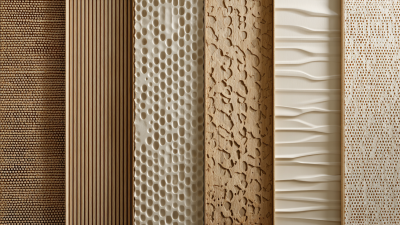
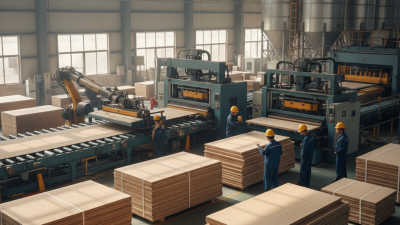
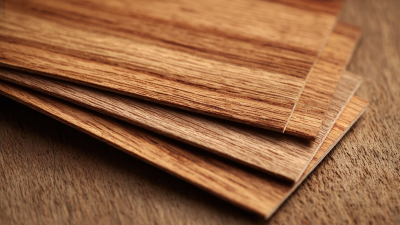
When you're working on cabinetry projects, picking the right materials is super important. Cabinet Ply, in particular, really influences how durable and high-quality your final piece turns out. I came across a recent report from the Wood Products Manufacturers Association—that almost 70% of builders put a lot of thought into choosing plywood for their cabinets. That really shows how vital it is in this industry. John Reynolds, a well-known expert in cabinetry design, even says, "Getting the right Cabinet Ply can totally make or break your project."
Honestly, the options can feel a bit overwhelming at first glance. There are different kinds of Cabinet Ply out there, each with its own pros and cons. Some are easier on the wallet but might not last as long, and others—those fancy, higher-grade options—will last forever but can be pretty pricey. Things like moisture resistance and surface finish really matter too when you're thinking about overall durability.
And in this ever-changing market, it’s key to get a good grasp on Cabinet Veneer. Making the right choice can feel pretty intimidating, I get it. Not every type of Cabinet Ply is a perfect fit for every project, so it’s worth taking some time to think about your specific needs and your budget. Sometimes, going for the cheaper option might seem like a good idea—until you realize it might not hold up in the long run. Finding that sweet spot between quality and cost is always a bit of a juggling act in this industry, but it’s so worth it in the end.
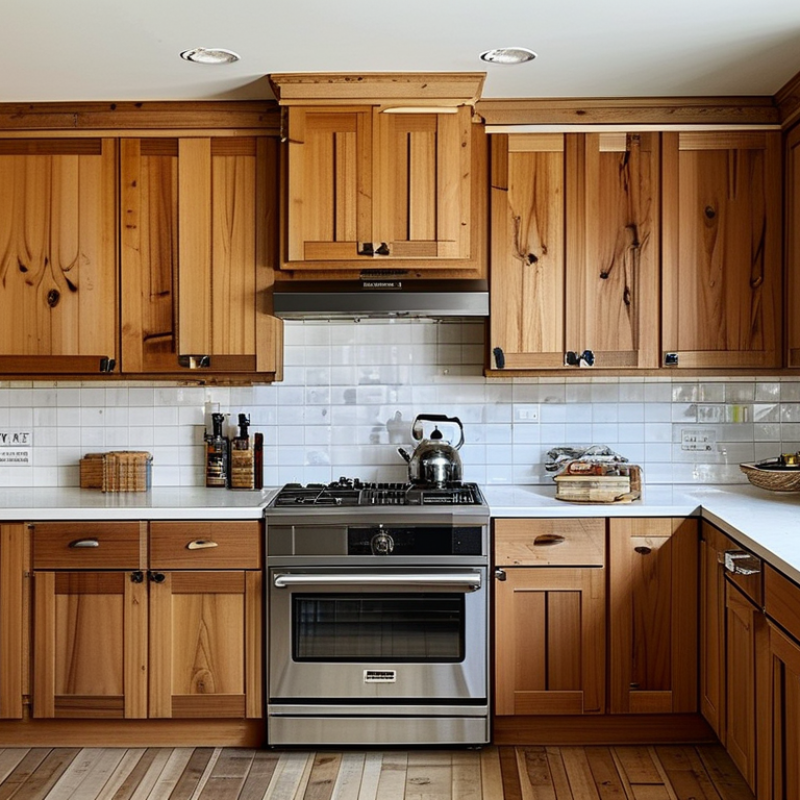
Understanding Cabinet Plywood: Types and Characteristics
Choosing the right cabinet plywood is crucial for any woodworking project. Understanding its types and characteristics is the first step. Plywood is classified mainly into three types: softwood, hardwood, and engineered. Each type has its own unique properties. Softwood plywood, often used in budget-friendly projects, tends to be less durable. However, hardwood plywood, like birch or oak, offers superior durability and finish, making it ideal for high-end cabinetry.
Engineered plywood has gained popularity due to its affordability and strength. According to a recent industry report, engineered wood products like Mdf Board Cabinet are expected to grow by 6% annually through 2026. This trend highlights the industry's shift towards cost-effective solutions without sacrificing quality. However, it's essential to note that not all engineered plywood is created equal. Some variants may contain adhesives that could off-gas harmful chemicals.
Consideration of thickness is equally important. Typical cabinet plywood ranges from ½ inch to ¾ inch thick. Thicker plywood provides better stability and support, while thinner options can be more economical. But thinner boards may warp more easily over time. Balancing cost and quality is often challenging. It’s important to assess project needs thoroughly before purchasing any plywood. The right choice will enhance both longevity and aesthetic appeal in your cabinetry.
Identifying Your Project Requirements and Priorities
When choosing cabinet ply for your projects, it’s crucial to identify your specific requirements. Consider the size, style, and function of the cabinet. Will it be in a high-moisture area like a kitchen or bathroom? If so, you need materials that resist warping and moisture damage. Think about the weight capacity as well. Some projects demand sturdier materials than others.
Also, evaluate the aesthetic priorities. The finish and color can transform a space. Decide whether you prefer natural wood grains or painted surfaces. Reflect on how these choices affect the overall feel of the room. Budget and availability are also vital. Not every material fits into every budget or can be easily sourced.
Understanding these factors ensures you make informed decisions. Reflect on past experiences with materials to guide your selection. Mistakes can lead to costly renovations later. A clear assessment of needs and priorities ultimately leads to a more satisfying final product. Make choices that truly reflect your vision while being practical.
2026 How to Choose the Best Cabinet Ply for Your Projects?
| Type of Cabinet Ply | Thickness (mm) | Cost (per sheet) | Water Resistance | Durability Rating |
| Marine Plywood | 9 | $80 | High | 8/10 |
| BWR Plywood | 12 | $70 | Moderate | 7/10 |
| Commercial Plywood | 18 | $60 | Low | 6/10 |
| Design Plywood | 15 | $75 | Moderate | 7/10 |
| Furniture Plywood | 12 | $55 | Low | 5/10 |
Key Factors in Choosing Cabinet Plywood for Durability
When selecting plywood for cabinets, durability is a key factor. The type of wood you choose plays a significant role. Hardwoods like oak and birch are often preferred. They withstand daily wear and tear better than softer options. Long-lasting plywood can reduce the need for frequent repairs or replacements.
Another essential consideration is the thickness of the plywood. Thicker sheets offer better strength and stability. A minimum thickness of ¾ inch is recommended for Kitchen Cabinet Veneer. This can ensure your cabinets endure heavy loads, such as dishes and appliances. Additionally, look for plywood with a sturdy core. A well-constructed core prevents warping and enhances longevity.
Moisture resistance is equally important. Cabinets often encounter humidity, especially in kitchens. Choose plywood treated to resist moisture damage. This safeguard extends the life of your cabinets. Remember to inspect the surface quality as well. A smooth, even finish is vital for both aesthetics and durability. Imperfections may lead to future complications. Investing time in selecting the right plywood pays off in the long run.
Evaluating Cost vs. Quality in Cabinet Plywood Options
When selecting cabinet plywood, cost and quality must be weighed carefully. Industry reports indicate that higher-quality plywood often leads to better durability and aesthetic appeal. For example, a study by the Plywood Association found that cabinets made with premium plywood resisted warping and damage 30% better than lower-grade options. This durability can translate to lower long-term costs, as it reduces the need for replacements or repairs.
However, the upfront costs can be daunting. Quality plywood might cost 20-30% more than budget alternatives. Despite the higher initial investment, it pays off through longevity. Opting for lower-quality plywood might save money short-term, but the risks, such as delamination of Cabinet Laminate Veneer, can result in costly repairs or replacements down the line.
Many DIY enthusiasts grapple with this decision. Those with less experience may lean toward cheaper options, unaware of the potential hidden costs. Balancing aesthetics and functionality can be challenging. Investing in a quality cabinet plywood, especially if you're considering cabinet laminate veneer, might seem expensive initially. Yet, over time, it can prove to be a wise decision. The right choice not only enhances the visual appeal but also ensures long-lasting performance in your projects.
Sustainability Considerations in Plywood Selection
When selecting plywood for your projects, sustainability is a critical factor. The choice of plywood can significantly impact the environment. Research shows that eco-friendly materials reduce carbon footprints and promote healthier living spaces. Look for plywood sourced from sustainably managed forests. Certification marks can guide your selection, ensuring responsible practices.
Tips for choosing sustainable plywood:
1. Check for eco-labels. These certifications confirm that the wood comes from renewable sources.
2. Opt for low-VOC finishes. They minimize indoor air pollution.
3. Consider the longevity of the product. Durable plywood reduces the need for replacements.
Kitchen Cabinet Veneer Sheets are a great option for eco-conscious projects. These sheets often use less wood than solid panels. They provide a sleek appearance while supporting sustainability efforts. Reflect on the types of adhesives used in the veneer process. Some can be harmful, so choose wisely. Your project can be both beautiful and environmentally friendly with the right plywood choices.
Finishes and Aesthetics: Enhancing Your Cabinet Design
Finishes and aesthetics play a crucial role in cabinet design. Selecting the right ply for your cabinet can enhance its overall look and functionality. A notable statistic indicates that nearly 75% of consumers consider the appearance of cabinets as a top priority in home renovations. This suggests that finishes must not only appeal visually but also align with the design goals of the space.
Different finishes can drastically impact the final product. For instance, high-gloss finishes are known to provide a modern look, while matte surfaces often convey warmth. A recent industry report found that 60% of homeowners prefer finishes that are easy to maintain. This points to a growing trend toward practical aesthetics, where beauty and usability coexist. However, it’s crucial to acknowledge that the choice of finish can sometimes limit customization options.
Color also plays a significant role in cabinet aesthetics. Neutral tones continue to dominate the market, with a reported 65% preference among designers. Yet, bold colors are resurging, offering opportunities for personal expression. It’s essential to reflect on how these choices can impact the overall mood of a room. Striking a balance between personal style and market trends can be challenging. However, the result can lead to stunning projects that fulfill both aesthetic and functional needs.
Popular Brands and Where to Buy Quality Cabinet Plywood
When planning your cabinet projects, selecting quality plywood is vital. Many suppliers can provide excellent materials. Search for sources that have a solid reputation in the woodworking community. Local lumberyards often offer a range of plywood options that are durable and reliable.
Look for plywood that is specifically rated for cabinetry. This ensures it can withstand humidity and wear over time. Check for certifications that indicate quality standards. For example, products labeled with an appropriate quality grade can help you make an informed decision.
Online marketplaces also offer a plethora of choices. Be mindful to read customer reviews before purchasing. It's essential to consider what others have experienced with specific products. Remember, not all suppliers maintain consistent quality. Careful research can save you from future disappointments in your projects.
FAQS
: The main types are softwood, hardwood, and engineered plywood. Each has unique properties.
Hardwood plywood, like birch or oak, offers better durability and finish. It's ideal for high-end projects.
Some engineered plywood may contain harmful adhesives. It's essential to check material safety before purchasing.
Typical thickness ranges from ½ inch to ¾ inch. Thicker boards tend to provide better stability and support.
Size, style, function, moisture exposure, weight capacity, and aesthetics are critical factors to evaluate.
Higher-quality plywood costs more initially but lasts longer. Cheaper options might lead to costly repairs later.
In high-moisture areas, materials need to resist warping and damage to maintain integrity over time.
Lower-quality plywood may warp, delaminate, and require more frequent replacements, leading to higher long-term costs.
Reflect on past experiences and project requirements to guide your selection. Mistakes can be costly!
Yes, the finish and color greatly affect the overall feel of the room, influencing your design choices.
Conclusion
Choosing the best Cabinet Ply for your projects requires a thorough understanding of different types of plywood and their characteristics. Start by identifying your specific project requirements, including dimensions, intended use, and desired aesthetics. Durability is crucial, so consider factors like thickness, core material, and surface finishes when selecting your cabinet plywood. Weighing cost versus quality is essential to ensure you get the best value for your investment.
Sustainability is also an important factor in plywood selection, as eco-friendly options are increasingly available. Additionally, the right finish can enhance the overall design of your cabinets, adding both beauty and protection. With a variety of options on the market, understanding these elements will guide you in finding quality cabinet plywood that meets your needs and elevates your projects.

 1Durch die gruppenweite Einführung und Harmonisierung unseres integrierten Managementsystems (IMS) werden alle bestehenden Unternehmens-, Qualitäts-, Umwelt- und Energiepolitiken durch diese Unternehmenspolitik ersetzt. Der Slogan „Textil hat Zukunft – auch in De