Looking for high-quality Density Fiberboard (DFB) suppliers in China? Well, it’s pretty important to keep a few things in mind. First off, quality really matters. You want to work with suppliers who consistently deliver top-notch DFB products that meet international standards — nobody wants surprises there. Also, make sure they can deliver the same solid quality with every order, because that builds trust over time.
Navigating this market can be a bit tricky, honestly. Tons of manufacturers talk up their Density Fiberboard without showing any real-world examples or customer reviews. So, it’s smart to check out their experience and reputation. Look for companies that have been around for a while and have a decent track record of making DFB — this way, you’re more likely to partner with someone credible.
Another thing to keep in mind is customer service. A supplier’s responsiveness and how they handle your questions or concerns really say a lot about their dedication. Sadly, a lot of folks overlook this, which can lead to major frustrations down the line. Partnering with a knowledgeable, attentive supplier can really improve your whole sourcing experience. So, don’t brush over these details—they can make a big difference in your projects. Working with the right DFB supplier isn’t just about getting good stuff; it can totally give your business a boost and make your building projects smoother and more successful.
Overview of Density Fiberboard (DFB) and Its Applications in Construction
Density Fiberboard (DFB) is a versatile material in construction. It is made from wood fibers, often combined with adhesives, and pressed into sheets. DFB is known for its smooth surface, making it ideal for various applications. Builders utilize it for cabinets, furniture, and wall panels. Its durability is often praised, but it is crucial to consider environmental factors as well.
When using DFB, consider its moisture resistance. Installing DFB in humid areas can lead to mold issues. This is something to reflect on before making a decision. Additionally, while DFB offers excellent sound insulation, its structural integrity can be compromised under excessive weight. Make sure to evaluate the intended use carefully.
Tip:When using Density Fiberboard, always check for certifications. Look for environmentally-friendly options that ensure lesser impact on nature. Furthermore, consider the type of adhesive used, as some may emitvolatile organic compounds (VOCs). Prioritizing your health and safety is essential while choosing materials for construction.
Key Properties and Performance Metrics of High-Quality DFB Products
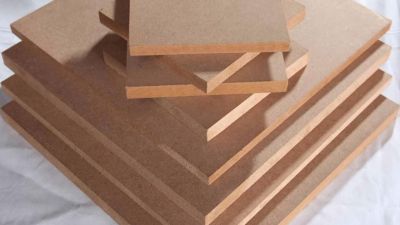
High Density Fiberboard (HDF) is a versatile material known for its durability and strength. It is engineered from wood fibers under heat and pressure, creating a dense board. This process results in a product that is less prone to warping and splitting. HDF’s uniformity makes it suitable for various applications, from construction to furniture.
Key properties of high-quality HDF include its density, strength, and resistance to moisture. Density directly impacts the board’s durability. A higher density indicates that the board can withstand more weight and resist damage. Additionally, high-quality HDF should demonstrate excellent dimensional stability, maintaining its shape in different environments. While many suppliers claim to offer superior HDF, not all meet strict testing standards for moisture resistance and formaldehyde emissions, which can affect indoor air quality.
Performance metrics are equally crucial. The surface finish of high-Density Fiberboard plays a significant role in its aesthetic and functional qualities. Technologies used in the production of HDF should enhance its finish, making it suitable for varying designs. Notably, there’s room for improvement when it comes to acoustic properties. Many users express concerns about noise reduction in their environments. Addressing these issues can further enhance the overall quality and utility of High Density Fiberboard.
China Top Wholesale High-Quality Density Fiberboard DFB Supplier Guide
| Property | Metric | Typical Value |
| Density | g/cm³ | 0.70 - 0.85 |
| Thickness | mm | 3 - 25 |
| Moisture Content | % | 5 - 12 |
| Bending Strength | MPa | 20 - 35 |
| Formaldehyde Emission | mg/100g | ≤ 0.3 |
| Surface Roughness | µm | 10 - 20 |
Market Trends: Demand and Supply Dynamics for Density Fiberboard in China
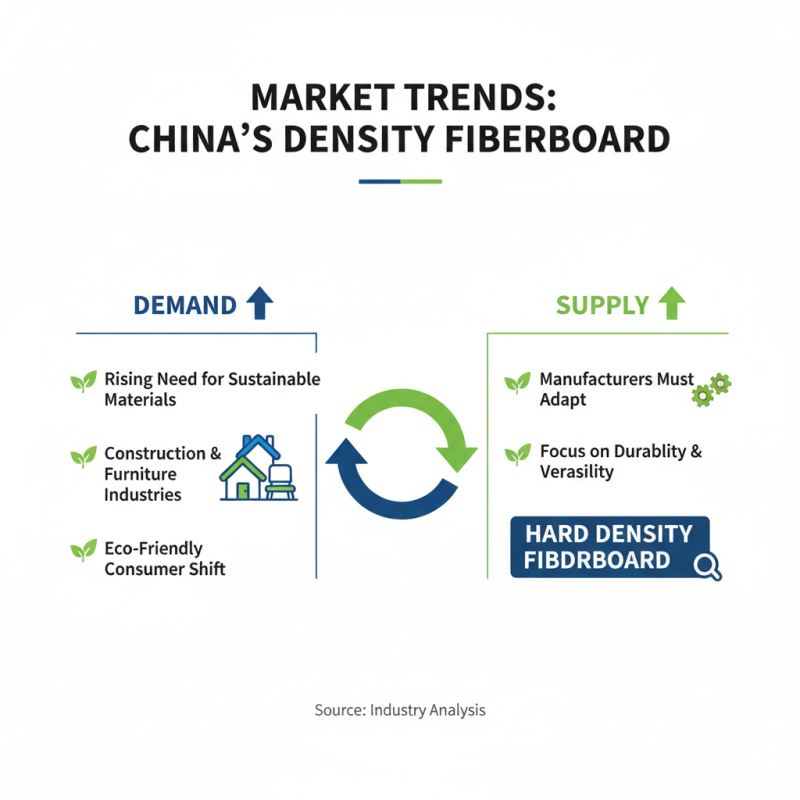
The demand for Density Fiberboard in China is on the rise. Companies are seeking sustainable materials for construction and furniture.Hard Density Fiberboard stands out due to its durability and versatility. As consumer preferences shift toward eco-friendly options, manufacturers must adapt.
Supply dynamics also present challenges. Local manufacturers face stiff competition from overseas suppliers. Quality control remains a crucial concern. Many companies struggle with inconsistent standards. This inconsistency can undermine trust in domestic products. Buyers often look for reliable suppliers who can meet strict quality benchmarks.
Market trends indicate a shift towards innovation. New technologies are emerging to enhance the production of Hard Density Fiberboard. However, there is a temptation to cut corners for quick profits. This could lead to inferior products flooding the market. Companies must balance profitability with quality and sustainability.
Leading Manufacturers: Top DFB Suppliers and Their Production Capacities
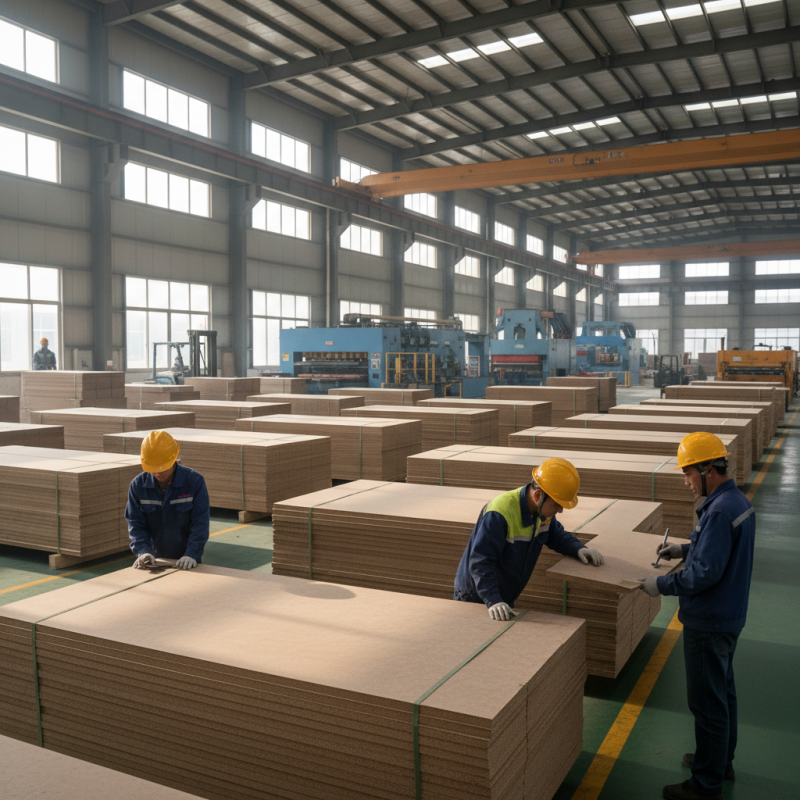
When exploring top Density Fiberboard (DFB) suppliers in China, it’s essential to consider their production capacities. Many manufacturers focus on high-quality products. This ensures a variety of applications, such as furniture and flooring. The size of production facilities plays a significant role in meeting demand.
Manufacturers often utilize advanced technology. This leads to consistency in quality and durability. Some suppliers may not reach their full potential due to outdated machinery. Quality control can also vary widely among different companies. The best suppliers are those that invest in modern techniques and regular audits.
Tips for selecting a DFB supplier: Always check production capacity and quality certifications. Suppliers should provide detailed product specifications. A reliable supplier maintains transparency about their manufacturing processes. Additionally, don’t overlook the benefits of Micro Density Fiberboard. It offers lighter weight and improved environmental performance. Choosing the right supplier is crucial for your project's success.
Top Density Fiberboard (DFB) Suppliers: Production Capacities
Sustainability and Environmental Impact of Density Fiberboard Production
The production of Medium Density Fiberboard (MDF) raises important sustainability issues. Many manufacturers rely on wood fibers sourced from forests, leading to deforestation. This practice can drastically affect local ecosystems and biodiversity. Furthermore, the carbon footprint associated with transport and energy consumption during production should not be overlooked.
Recycling plays a significant role in enhancing sustainability in MDF production. Using recycled wood fibers reduces the need for virgin materials. However, the recycling process itself can be energy-intensive. It creates a dilemma for manufacturers looking to balance production efficiency and environmental responsibility. Not all recycled materials are usable, which can lead to waste.
Moreover, the adhesives and chemicals used in MDF can contribute to air pollution. Emission levels can vary widely among producers. Companies must commit to transparency regarding their sourcing and manufacturing practices. This awareness can push the industry toward adopting cleaner and greener technologies. Future growth in the fiberboard sector should prioritize sustainable methods to protect our environment.
Quality Standards and Certifications for DFB in the Wholesale Market
When considering high-quality Density Fiberboard (DFB) in the wholesale market, understanding quality standards is crucial. DFB must meet certain specifications to ensure durability and performance. Common standards include ISO 9001 for quality management and ISO 14001 for environmental management. Compliance with these standards signals reliability.
Certifications play a vital role in the wholesale market. Eco-labels can indicate sustainable sourcing, appealing to environmentally conscious consumers. However, not all suppliers possess proper certification. This inconsistency can create confusion and risk among buyers. It is essential for businesses to verify certifications before making purchases. Some manufacturers may claim compliance without genuine documentation.
Transparency remains a challenge in the industry. Buyers must ensure that their suppliers provide clear evidence of certifications. Investing time in research will yield better results. Quality assurance processes vary significantly among suppliers. A meticulous approach can help avoid costly mistakes in bulk purchasing. Shopping with certified suppliers builds trust and enhances product satisfaction.
Pricing Analysis: Factors Influencing the Cost of Density Fiberboard in China
When exploring Density Fiberboard (DFB) costs in China, several factors come into play. Material quality significantly affects pricing. Higher-grade fibers usually lead to higher costs, driven by manufacturing techniques. Variability in sourcing raw materials can also change prices. For instance, changes in wood availability can impact supply chains.
Manufacturing processes contribute to overall pricing as well. Different forms of hot-pressing or additives may alter production costs. Sustainability demands are on the rise too. A shift towards eco-friendly practices can affect the market. These considerations mean that not every supplier offers the same value.
Market demand fluctuates, influencing prices episodically. Economic trends and construction activities may cause spikes. Analyzing regional differences is vital. Some areas have cheaper labor costs, affecting the final price. Knowledge of these dynamics is critical for buyers seeking deals in the DFB market. Buyers should reflect on these aspects to make informed purchasing decisions.
Enhance Your Living Space: The Benefits of High-Quality Density Boards in Home Decoration
When it comes to enhancing your living space, using high-quality density boards like Medium Density Fiberboard (MDF) can significantly elevate your home decoration projects. MDF is a versatile and robust engineered wood product created from wood fibers bonded with synthetic resin under heat and pressure. Its density ranges from 650Kg/m³ to 800Kg/m³, providing a uniform structure that is ideal for furniture and decor. According to industry reports, MDF's fine texture and stable performance make it a favored choice among homeowners and professionals alike for cabinetry, wall panels, and even musical instruments.
The advantages of MDF are manifold. It boasts impressive strength and impact resistance while being easy to process, allowing for intricate designs and detailed finishes. With its flat and smooth surface, MDF can be painted or veneered, making it an optimal canvas for personalized home aesthetics. Moreover, its relatively low cost compared to solid wood alternatives makes it accessible for a wide range of decorating budgets. However, attention must be given to its environmental impact due to the adhesives used during production, which can release harmful substances like formaldehyde. Therefore, selecting high-quality boards and environmentally friendly coatings during finishing touches is crucial to ensuring a healthier living space.
While MDF presents clear benefits for home decorating, users should be mindful of its limitations. Although it is not prone to warping, MDF does not fare well in humid environments, which can lead to swelling and deformation. It is vital to avoid placing MDF pieces in areas with high moisture, such as bathrooms or near windows. By considering these characteristics and making informed choices, homeowners can successfully leverage the many benefits of high-quality density boards like MDF in their interior design endeavors.
FAQS
: HDF is a durable and strong material made from wood fibers under heat and pressure.
High-quality HDF should have high density, strength, and moisture resistance for better durability and performance.
Higher density means better weight resistance and less damage over time. It improves overall durability.
Check their production capacity, quality certifications, and product specifications for transparency and quality assurance.
Deforestation and carbon footprints from transport and energy use impact ecosystems negatively during fiberboard production.
Yes, using recycled wood fibers reduces virgin material needs, but recycling can be energy-intensive and creates challenges.
Many users report inadequate noise reduction, indicating a need for better soundproofing solutions in some products.
Adhesives can contribute to air pollution, with emission levels varying among manufacturers, affecting indoor air quality.
They should maintain transparency in sourcing and adopt cleaner technologies to minimize their environmental impact.
Larger production capacities can better meet demand and ensure product availability for various applications.
Conclusion
Density Fiberboard (DFB) is a highly versatile material widely used in the construction industry due to its excellent properties and performance metrics. This article provides an overview of DFB, emphasizing its applications ranging from furniture production to flooring and wall panels. Key factors driving the demand and supply dynamics in the Chinese market are discussed, alongside current market trends that indicate a growing preference for high-quality DFB products.
The analysis also highlights leading manufacturers and their production capacities while addressing sustainability concerns associated with DFB production. Quality standards and certifications play a crucial role in ensuring the reliability of DFB in the wholesale market. Additionally, a pricing analysis outlines the various factors influencing the cost of Density Fiberboard in China, shedding light on market fluctuations and consumer expectations. Overall, this guide serves as a comprehensive resource for understanding Density Fiberboard in the context of China's construction sector.

 1Durch die gruppenweite Einführung und Harmonisierung unseres integrierten Managementsystems (IMS) werden alle bestehenden Unternehmens-, Qualitäts-, Umwelt- und Energiepolitiken durch diese Unternehmenspolitik ersetzt. Der Slogan „Textil hat Zukunft – auch in De