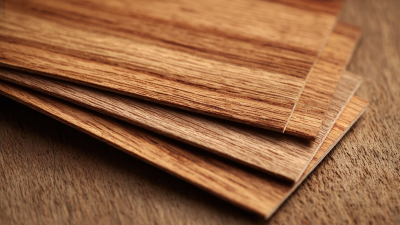
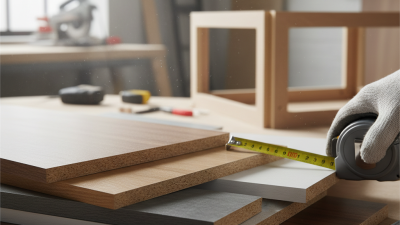
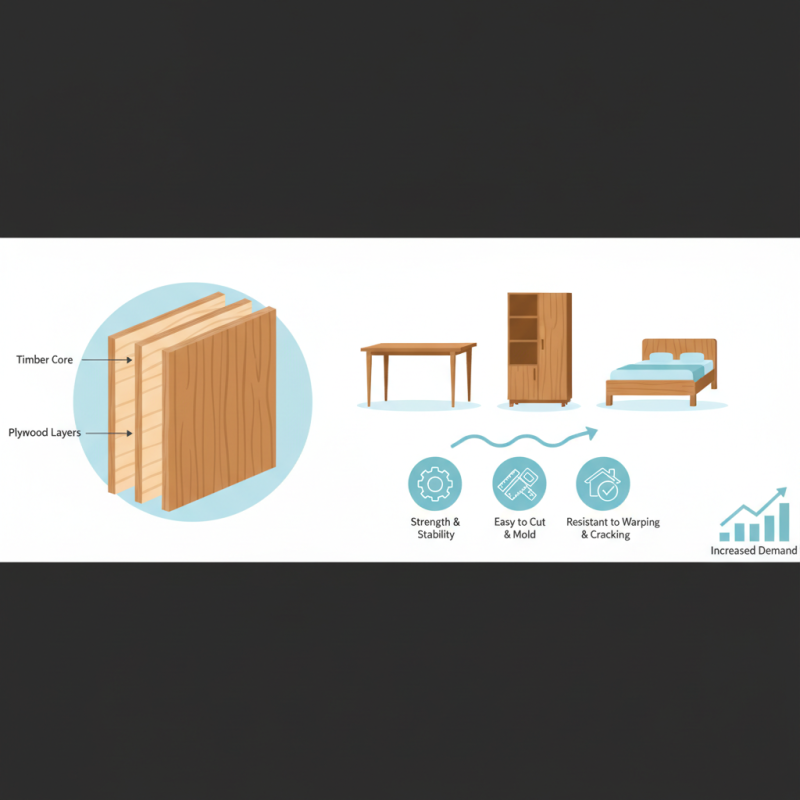
You know, Blockboard has really become a favorite in the furniture world lately, thanks to its unique features and versatility. Basically, it’s an engineered wood product, made up of a core crafted from strips of timber, which is then layered between two sheets of plywood or blockboard panels. That build gives it much better strength and stability—no wonder it’s so popular for making all kinds of furniture, from tables to cabinets. I remember hearing from David Miller, a really respected name in woodworking, who said, ‘Blockboard combines durability with aesthetic appeal, making it perfect for modern furniture designs.’ It’s a pretty spot-on description.
Lately, more and more manufacturers are jumping on the bandwagon, realizing just how lightweight yet sturdy it is. Plus, it's super easy to cut, mold, and finish, giving designers tons of room to get creative with styles and functions. And let’s not forget, its resistance to warping and cracking under different conditions makes it even more attractive—both to makers and shoppers alike. As furniture design keeps evolving, Blockboard is still a go-to material, blending quality with innovation in a way that really stands out.
What is Blockboard? A Comprehensive Overview
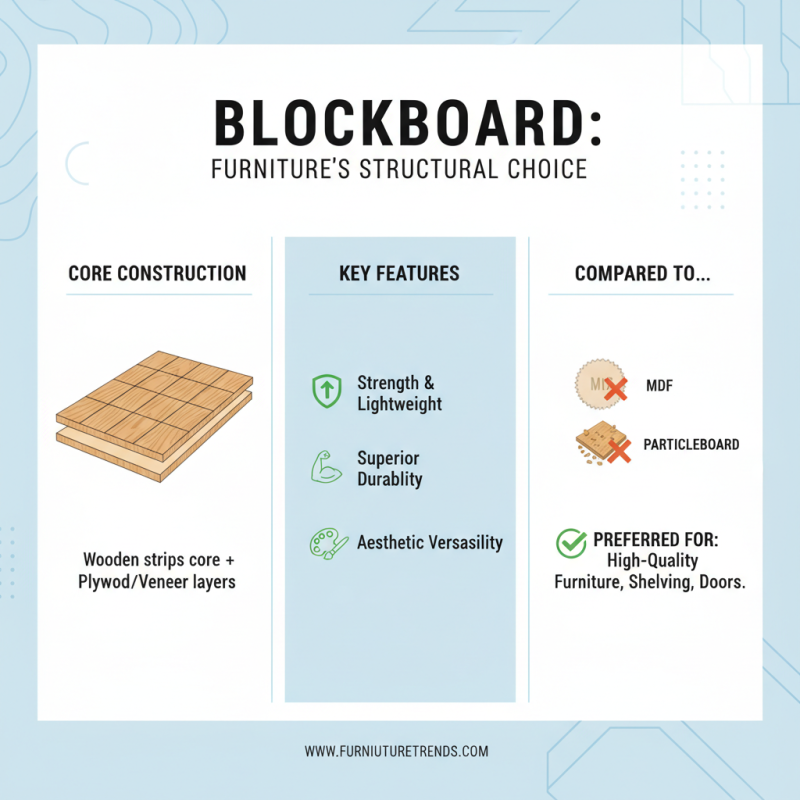
Blockboard, a popular engineered wood product, is composed of a core made of strips of solid wood, which are sandwiched between two layers of plywood or similar material. This unique construction offers several advantages, making it a favorable choice in the furniture industry. According to a report by the Furniture Industry Research Association, blockboard is recognized for its strength and lightweight properties, which allow for easy handling and transportation. With its excellent dimensional stability, it is less prone to warping or cracking compared to solid wood.
In furniture making, blockboard is particularly valued for its versatility. It can be easily cut, shaped, and finished, making it suitable for various applications, from tabletops to cabinet doors. The ability to produce large panels without joints reduces the risk of structural weaknesses and enhances aesthetics. A study published in the Journal of Wood Science highlights that blockboard’s durability is comparable to that of solid wood, contributing to longer-lasting furniture solutions. Additionally, the increasing demand for sustainable building materials has further driven the popularity of blockboard, as it often utilizes fast-growing trees, aligning with eco-friendly practices in furniture manufacturing.
The Composition and Structure of Blockboard Explained
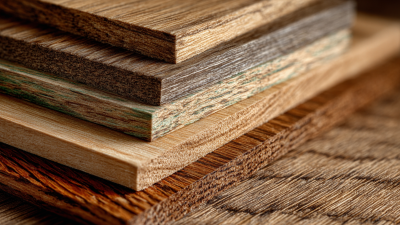
Blockboard is a popular material in furniture making, characterized by its unique composition and structure. It consists of a core made from strips of softwood, which are adhered together and sandwiched between two layers of plywood or veneer. This construction provides blockboard with excellent strength and stability while maintaining a relatively lightweight profile. The softwood core allows for better insulation and sound absorption compared to solid wood, making it an ideal choice for various furniture applications.
The structural design of blockboard contributes significantly to its versatility. The alternating layers of wood create a sturdy yet flexible material that can support various finishes, from paints to stains. Additionally, the edges of blockboard can be laminated or rounded to provide a smoother, more polished appearance, enhancing its aesthetic appeal. Since blockboard is often used in the creation of tabletops, cabinetry, and shelving, its structural integrity ensures that it can withstand daily use while resisting warping and cracking. This combination of durability and design flexibility makes blockboard an invaluable resource in the furniture manufacturing industry.
Key Advantages of Using Blockboard in Furniture Manufacturing
Blockboard is a popular material in furniture manufacturing, appreciated for its unique structure and versatility. One of the key advantages of blockboard is its lightweight yet sturdy composition, which is derived from a core of wooden strips sandwiched between layers of plywood or veneer. This design not only makes it easier to handle and transport, but it also enhances its strength, ensuring durability in furniture pieces such as tables, cabinets, and doors.
Another significant benefit of using blockboard is its cost-effectiveness. Compared to solid wood, blockboard is generally more affordable while still offering a high-quality finish. It accepts a variety of surface treatments, such as paint and veneer, allowing manufacturers to achieve a pleasing aesthetic without substantial investment. Additionally, blockboard exhibits resistance to warping and cracking, making it a reliable choice for different climatic conditions, which is crucial in extending the life of furniture and reducing maintenance costs.
What is Blockboard and How is it Used in Furniture Making - Key Advantages of Using Blockboard in Furniture Manufacturing
| Dimension | Description | Advantage |
| Weight | Relatively lightweight compared to solid wood | Easy to move and handle during manufacturing and delivery |
| Cost | Lower cost compared to solid wood | Cost-effective solution for budget-conscious projects |
| Durability | Resistant to warping and splitting due to cross-bonding | Long-lasting and reliable for furniture items |
| Finish | Smooth surface that is easily painted or veneered | Aesthetically pleasing results for various designs |
| Eco-friendliness | Made from renewable materials and has lower environmental impact | Positive choice for environmentally-conscious consumers |
Common Applications of Blockboard in Modern Furniture Design
Blockboard is a versatile material commonly used in modern furniture design, known for its durability and stability. Its structure consists of a core made from solid wood strips, which are sandwiched between two layers of plywood or veneer. This composition allows blockboard to withstand changes in temperature and humidity, making it an excellent choice for various furniture applications.
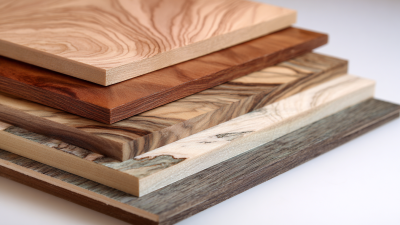
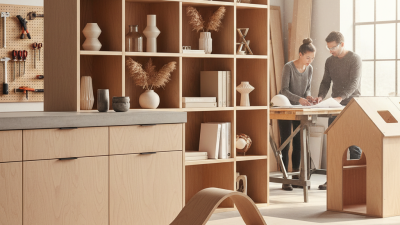
Common applications of blockboard in furniture design include the construction of tabletops, doors, and cabinets. Its lightweight nature enables easy handling, while its strength supports substantial weight, making it perfect for items like dining tables and desks. Additionally, blockboard can be easily finished or veneered, allowing designers to create aesthetically pleasing surfaces that mimic solid wood. Its adaptability extends to both contemporary and traditional styles, making it a favored choice for furniture manufacturers looking to balance form and function.
Comparing Blockboard with Other Wood Panels in the Industry
Blockboard is a popular material in furniture making, distinguished by its core construction, which is typically made from a grid of wooden strips sandwiched between two layers of plywood or veneer. This unique structure gives blockboard its strength and lightweight characteristics, making it an appealing choice for various furniture applications. However, when compared to other wood panels in the industry, such as MDF (Medium Density Fiberboard) and particle board, blockboard stands out due to its superior durability and aesthetic versatility.
MDF, for instance, is known for its smooth surface, making it ideal for painting and veneering, but it tends to be denser and heavier than blockboard, which can be a drawback in creating lightweight furniture pieces. On the other hand, particle board is often more cost-effective but lacks the structural integrity and longevity found in blockboard. Furthermore, blockboard’s layered composition allows for better resistance to warping and moisture, making it suitable for a variety of environments. As a result, each type of wood panel has its own set of advantages; however, blockboard remains a favored option among furniture makers who prioritize both quality and performance in their designs.
Sustainability and Environmental Impact of Blockboard Usage
Blockboard is an engineered wood product made from a core of solid wood strips, which are then sandwiched between layers of veneer. Its popularity in furniture making stems not only from its cost-effectiveness and versatility but also from its sustainability potential. The manufacturing process of blockboard typically utilizes wood that might otherwise go to waste, thus contributing to more efficient use of forest resources. By opting for blockboard over solid hardwood, furniture manufacturers can reduce the demand for logging virgin forests, helping to preserve biodiversity and minimize deforestation.
Moreover, the environmental impact of blockboard extends beyond its raw materials. Blockboard is often produced with fewer chemicals compared to other composite materials, translating to less harmful emissions during manufacturing. Additionally, it is lightweight, which reduces transportation emissions during shipping. As sustainability becomes increasingly vital in furniture production, blockboard offers a viable alternative that supports eco-friendly practices while still meeting the aesthetic and functional needs of consumers. The responsible sourcing and processing of blockboard highlight its potential as a sustainable choice in the contemporary furniture manufacturing landscape.
Market Trends: The Growing Popularity of Blockboard in Furniture Making
The growing popularity of blockboard in furniture making can be attributed to several key market trends. Recent industry reports highlight a significant shift towards sustainable materials, with blockboard leading the charge due to its eco-friendly characteristics.
According to a report by Market Research Future, the global demand for engineered wood products, including blockboard, is projected to witness a compound annual growth rate (CAGR) of around 5.3% from 2021 to 2026. This trend is driven by the increasing awareness of sustainable living and the need for environmentally responsible solutions in the furniture industry.
Moreover, blockboard's impressive structural properties have made it an attractive choice for furniture manufacturers. Its lightweight yet sturdy nature enables the creation of durable products while keeping manufacturing costs in check. A study conducted by Research and Markets indicates that blockboard accounts for approximately 20% of the engineered wood market share, emphasizing its growing significance in both residential and commercial furniture applications.
This surge in popularity is also reflected in changing consumer preferences, with clients increasingly seeking modern designs that incorporate both functionality and aesthetics, qualities that blockboard offers effectively.
Conclusion
Blockboard is a type of engineered wood product made from a core of wooden strips, sandwiched between layers of thin veneer. It is renowned for its lightweight structure, stability, and resistance to warping, making it a popular choice in furniture manufacturing. The advantages of using Blockboard include its durability, cost-effectiveness, and ease of customization, which have led to its widespread application in modern furniture design, from tabletops to cabinetry.
Furthermore, Blockboard is increasingly favored over other wood panels due to its sustainability and environmental benefits; it is often made from renewable resources and can have a lower carbon footprint. As market trends indicate a growing popularity of Blockboard, it continues to influence the furniture industry, contributing to innovative designs while meeting emerging eco-conscious consumer demands.

 1Durch die gruppenweite Einführung und Harmonisierung unseres integrierten Managementsystems (IMS) werden alle bestehenden Unternehmens-, Qualitäts-, Umwelt- und Energiepolitiken durch diese Unternehmenspolitik ersetzt. Der Slogan „Textil hat Zukunft – auch in De