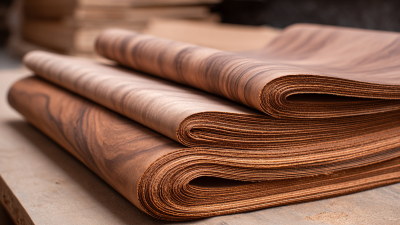
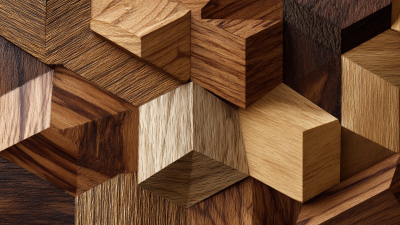
When it comes to interior design and furniture making, you really can't overlook how important high-quality Wood Veneer Panelsare. The Wood Veneer Association has noted that the industry’s been steadily growing at about 5% a year — which pretty much points to a growing craving for sustainable materials. These panels aren’t just pretty to look at—they’re super practical too. They’re durable, versatile, and work well for all sorts of projects, from kitchen cabinets to wall accents.
That said, finding the best products isn’t always straightforward. The market can feel a bit scattered sometimes, with many suppliers making big promises but not always following through. So, it’s really important to do your homework. Names like Alpi and Wood Veneer Hub are worth checking out, but their products can be really different from one another. Taking the time to research and compare will definitely help you find the perfect veneer for your project.
In the end, choosing the right Wood Veneer Panels can make a huge difference in how your design turns out. Plus, with more folks caring about sustainability these days, demand for high-quality veneers is only going to rise. So, whether you’re a designer or a builder, it pays off to be picky and critical in your choices — after all, the right veneer can really bring your project to the next level.
Introduction to Wood Veneer Panels and Their Uses
Wood veneer panels are versatile materials used in various projects. They combine aesthetics and durability, offering a unique look to furniture, cabinetry, and interiors. The Wood Veneer Sheets are often made from high-quality timber. Their thin nature allows them to cover surfaces without adding bulk. Reports indicate that the veneer market is expected to reach USD 2.57 billion by 2027, emphasizing their rising demand.
These panels are not just visually appealing; their application enhances sustainability. Using Thin Wood Veneer Panels can significantly reduce wood waste. Instead of using solid wood, manufacturers can create high-quality surfaces efficiently. This practice reflects a movement toward eco-friendliness in the industry. However, achieving consistent quality remains a challenge. Variations in grain and texture can affect overall aesthetics, making selection crucial.
Many professionals find difficulties in sourcing quality veneer that fits their needs. The variability in production processes can lead to inconsistent product quality. When selecting Wood Veneer panels, considering the source and processing methods is vital. This ensures the final result aligns with project specifications. Overall, Wood Veneer panels represent a complex interplay of beauty, sustainability, and craftsmanship.
Criteria for Selecting High-Quality Wood Veneer Panels
When selecting high-quality wood veneer panels, consider several key criteria. First, inspect the grain pattern. A unique and consistent grain can enhance the visual appeal of your project. According to industry reports, well-matched grain patterns can elevate aesthetics by up to 30%. Always look for panels that showcase the natural beauty of wood.
Another important factor is the thickness of the veneer. Thicker veneers tend to offer better durability and resistance to wear. Ideally, choose a veneer with a thickness of at least 1/40 inch. Reports suggest that panels meeting this thickness standard last longer and maintain their integrity under various conditions.
Don't overlook the adhesive quality used in the veneer. The bond strength can significantly impact durability. Weak adhesive might lead to peeling or delamination over time. A thorough examination of adhesion quality is recommended. Finally, evaluate the source of the wood. Sustainably sourced materials often indicate a commitment to quality and environmental consideration. Quality wood veneer panels should balance aesthetics, durability, and ecological impact seamlessly.
Top 10 Wholesale Suppliers for High-Quality Wood Veneer Panels
When searching for high-quality wood veneer panels, sourcing from reliable suppliers is crucial. Many suppliers offer various options, but not all guarantee quality. Look for suppliers that provide Prefinished Wood Veneer Panels, as they save time and labor. These panels come ready to use, which is ideal for projects needing a polished finish. You want to ensure that the grain patterns are consistent. A uniform look can elevate the overall aesthetic of your project.
Quality control should be a priority. Some suppliers might not adhere to strict standards. Be prepared to ask questions about their manufacturing processes. It's important to know where the wood comes from. Certifications can indicate sustainable and responsible sourcing. Not every supplier will have this information readily available, which can raise concerns.
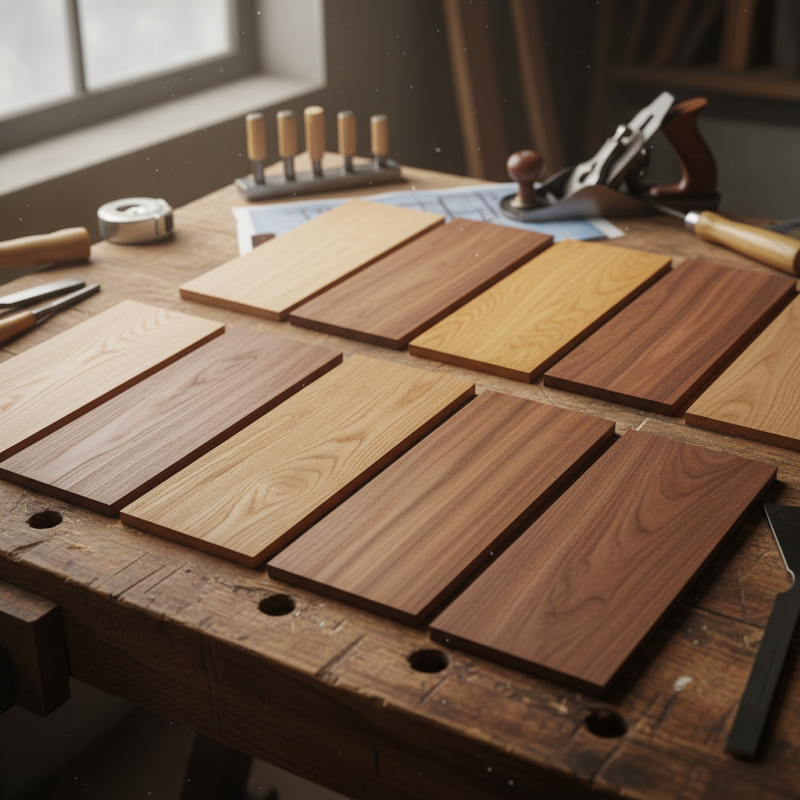
Additionally, consider the range of wood types they offer. A limited selection can restrict your design options. Always request samples before making a bulk purchase. This allows for proper evaluation. Exploring various textures and colors is essential for creating unique pieces. The quest for the perfect supplier can be challenging, but the right one makes a world of difference in the outcome of your projects.
Detailed Reviews of Each Recommended Wood Veneer Panel
When selecting wood veneer panels, quality is paramount. High-quality veneers enhance aesthetics and durability. Recent reports indicate that the demand for sustainable materials is rising. Over 65% of designers now prioritize eco-friendly options in their projects. This shift emphasizes the need for responsibly sourced wood veneers.
Veneer thickness plays a vital role in performance. Thicker veneers, typically above 0.5mm, resist wear better. However, thinner veneers offer flexibility in application. Both options have unique benefits and challenges. A study shows that veneer waste can account for up to 30% in some processes. This highlights the importance of purchasing wisely and optimizing usage in projects.
Finish and grain patterns greatly affect the final look. Options range from fine, delicate grains to bold, rustic textures. Understanding these differences can enhance any design. Even with the best selection, imperfections may arise. Sometimes, the veneer may warp during application. These issues necessitate careful handling and installation practices. Continuous learning and adjustments are crucial for achieving the desired results.
Comparative Analysis of Veneer Panel Prices and Quality
When choosing high-quality wood veneer panels, price and quality are critical factors. A thorough analysis reveals that costs vary significantly depending on the type of wood and its source. For instance, exotic hardwoods usually come with higher price tags. In contrast, domestic woods tend to be more budget-friendly. However, don’t let price dictate your choice blindly. Sometimes, cheaper options might compromise on quality, resulting in inferior finishes or warping over time.
Additionally, understanding the manufacturing process adds depth to your decision. Panels that undergo careful treatment usually offer better stability and longevity. Visual aspects also matter; some veneers may not match your project’s aesthetic needs. It's tempting to select the most beautiful grain, but consider how it interacts with other materials in your design.
Exploring different textures may also reveal options that connect better with your overall theme. Reflecting on these elements may save you from future regrets, ensuring that your investment in veneer panels aligns with both your vision and your budget.
Sustainability Considerations in Wood Veneer Production
Sustainability is critical in wood veneer production. Many manufacturers are adopting practices that minimize environmental impact. They use responsible sourcing and ensure that wood is harvested legally. This is crucial for preserving forests and biodiversity. Using Mdf Veneer Panels can also help reduce waste. These panels often utilize fast-growing trees, which are a renewable resource.
However, not all veneer production is created equal. Some processes still rely on unsustainable practices. It’s important to research suppliers. Look for certifications that indicate sustainable forestry practices. This can lead to meaningful change in the industry. Transparency in sourcing is vital for ethical consumption. Expect challenges. There may be trade-offs between cost and sustainability.
Users should also be aware of the lifecycle of veneer products. Consider the end of life for Mdf veneer panels. While they can be reused or recycled, many end up in landfills. Responsible disposal is essential for reducing waste and promoting sustainability. Reflect on purchasing decisions. Supporting sustainable products can foster significant environmental benefits. Each choice contributes to a larger impact.
Tips for Working with Wood Veneer Panels in Your Projects
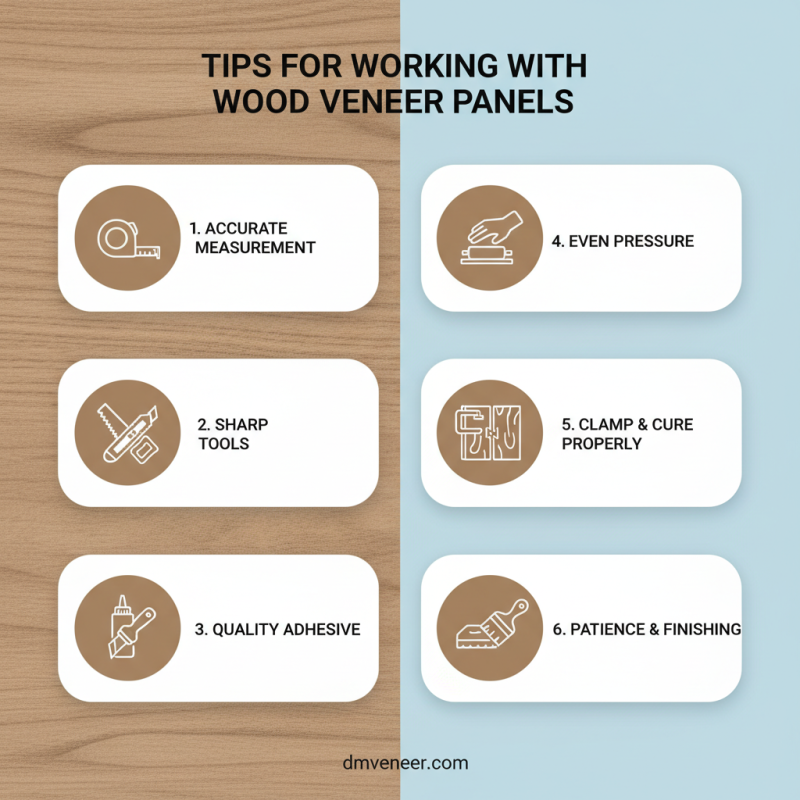
Working with Timber Veneer Panels can be a rewarding experience. The beauty of wood veneer adds a unique touch to any project. However, it requires care and precision. Here are some tips to help you navigate this material effectively.
When cutting timber veneer, use a sharp blade. A dull knife can cause tearing and uneven edges. Always measure twice before cutting. This ensures accuracy and minimizes waste. If you encounter a defect in the veneer, consider patching it. It can add character and uniqueness to your project.
Adhesion is crucial with timber veneer panels. Use the right type of adhesive for a strong bond. Apply evenly to avoid air bubbles. Ensure proper pressure is maintained during the drying time. If your edges are not perfectly aligned, don’t stress. Sanding can help achieve a smoother finish. Never be too hard on yourself; imperfections can sometimes enhance the overall design.
Exploring the Latest Trends in Wood Veneer Classification: Insights from Industry Reports and Material Innovations
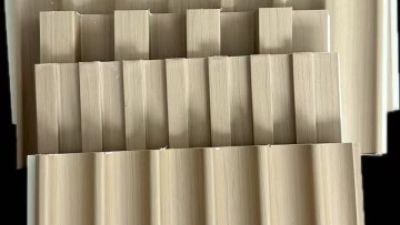
The evolution of wood veneer classification has revealed exciting trends and innovative materials that continue to shape interior design. Among these developments, wooden grilles have emerged as a versatile choice for enhancing spaces. They can be crafted from a variety of materials, including synthetic boards like fiberboard and plywood, or natural woods such as pine, oak, walnut, and bamboo. This variety allows for both aesthetic appeal and functional applications in various settings.
Natural wood grilles, in particular, offer an elegant touch to any room, creating a warm, cozy ambiance that highlights the beautiful texture of wood. Their versatility makes them ideal for use in home décor, serving as stylish backdrops for televisions, sophisticated ceiling designs, and practical room dividers. Additionally, advancements in wood treatment, such as carbonization and anti-corrosion processes, have expanded the potential of these grilles for outdoor applications. For instance, they can be effectively utilized in landscaping elements, including flower stands and courtyard railings, where their natural beauty can enhance outdoor living spaces.
FAQS
: Inspect the grain pattern. Unique patterns enhance visual appeal.
Thicker veneers offer better durability. Aim for at least 1/40 inch thickness.
Strong adhesive prevents peeling. Weak bonds can lead to delamination.
Sustainably sourced wood shows commitment to quality and environment.
Yes, they offer flexibility in application. However, they may wear out faster.
Warping can occur sometimes. Careful handling is essential to avoid this.
Different textures can enhance design. Choose between delicate or rustic grains.
Think about disposal. Many veneers end up in landfills if not recycled properly.
No, some still use unsustainable methods. Research suppliers for certifications.
Look for transparency in sourcing. Certifications indicate better forestry practices.
Conclusion
This article provides a comprehensive overview of wood veneer panels, emphasizing their diverse applications in various projects. It begins with an introduction to the characteristics and uses of wood veneer panels, guiding readers on how to select high-quality options based on specific criteria such as durability, aesthetics, and sustainability.
The piece features a list of the top 10 wholesale suppliers that specialize in providing high-quality wood veneer panels. Each supplier is reviewed in detail, considering factors like price and quality. Additionally, the article includes a comparative analysis of veneer panel prices, helping readers make informed decisions. Sustainability is also addressed, highlighting the importance of environmentally-friendly practices in wood veneer production. Finally, it offers practical tips for effectively working with wood veneer panels in your projects, ensuring a successful and aesthetically pleasing outcome.

 1Durch die gruppenweite Einführung und Harmonisierung unseres integrierten Managementsystems (IMS) werden alle bestehenden Unternehmens-, Qualitäts-, Umwelt- und Energiepolitiken durch diese Unternehmenspolitik ersetzt. Der Slogan „Textil hat Zukunft – auch in De