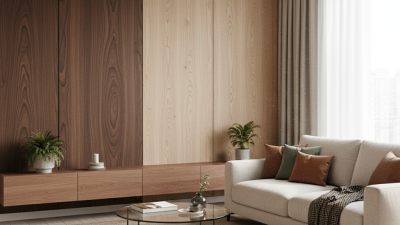
Hey, have you noticed how the demand for Timber Veneer Panelsis really picking up all around the world? It’s kind of crazy! Folks in the design and architecture scene are really into them because they’re not just pretty—they’re pretty versatile too. Mark Thompson, who’s pretty much a big name in the timber world, once said, "Timber Veneer Panels bridge the gap between beauty and sustainability." That really hits the nail on the head, right? It’s like these panels are playing a key part in making buildings eco-friendlier without sacrificing style.
Looking ahead to 2026, if you’re thinking about picking out some Timber Veneer Panels, there are a few things you definitely need to keep in mind. First off, quality and sustainability should be at the top of your list. Not all products out there tick these boxes, so it’s worth doing your homework. And honestly, your experience with these panels can be pretty different depending on who you buy from and how much you trust your suppliers. Building good relationships with reliable partners really matters in this industry.
Oh, and let’s not forget—regional preferences totally influence what’s popular. Every area has its own unique taste and needs. That can make things a bit tricky, but it’s also pretty exciting because it opens up a bunch of opportunities. So, if you’re on the hunt for good Timber Veneer Panels, stay sharp about the quality. Being well-informed is your best shot at making smart choices and pulling off successful projects.

Best Timber Veneer Panels: An Overview of Top Choices for 2026
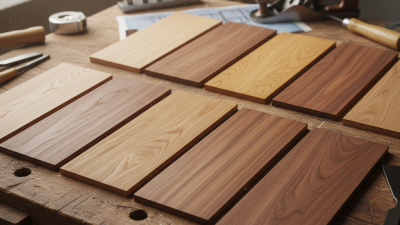
Timber Veneer panels are becoming increasingly popular among global buyers. These panels offer a blend of aesthetic appealand practicality. When choosing the best Timber Veneer panels, considerwood species, grain patterns, and finishes. Each type offers a unique look and feel. This year, trends suggest a rise in light-toned veneers, which can brighten spaces.
Tips for selecting a veneer: Start by assessing your project's overall theme. Light-colored Timber Veneers work well in modern designs. Darker options can add warmth to traditional spaces. Additionally, consider the durability of the veneer. Some may require more maintenance than others.
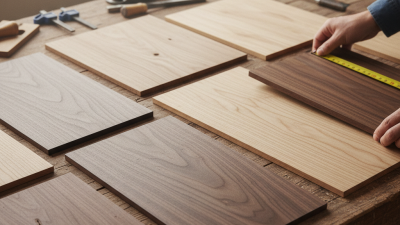
Not all Timber Veneers are created equal. Some might not withstand humidity, while others are more resilient.Explore options carefully. Always ask for samples before making a decision. This helps you visualize how a Timber Veneer will fit in your environment. Remember,quality matters. Invest in panels that enhance your space's beauty and longevity.
Key Characteristics of Quality Timber Veneer Panels for Buyers
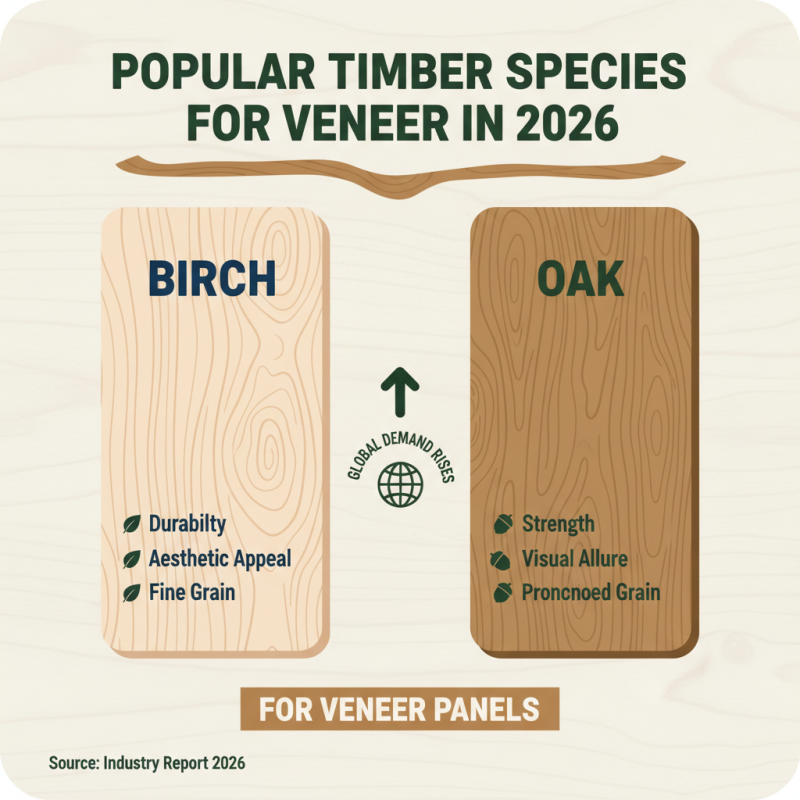
When selecting Timber Veneer panels, quality is paramount. Buyers should prioritize several key characteristics to ensure reliability and beauty. First, look for panels constructed from premium wood species. A fine grain pattern often indicates superior quality. According to the International Wood Products Association, veneer panels made from oak or walnut typically provide excellent durability and aesthetic appeal.
Another important factor is the thickness of the veneer. Thicker veneers tend to be more resistant to wear and tear. Research from the Forest Products Laboratory suggests that a thickness of at least 3mm improves longevity. Moreover, moisture content is critical. It should ideally be around 8-12% for optimal performance in diverse environments.
Finishing also plays a vital role. A well-executed finish enhances both protection and visual impact. Look for panels with UV resistance and scratch resistance. However, achieving the perfect balance between appearance and protection can be challenging. Buyers may face trade-offs between eco-friendliness and durability. Reflecting on these factors will help buyers make more informed choices in 2026.
Global Market Trends Affecting Timber Veneer Panels in 2026
The global market for timber veneer panels is evolving rapidly as we approach 2026. Industry reports indicate that the demand for sustainable materials has increased by 40% in recent years. Timber veneer panels, known for their aesthetic appeal and durability, are becoming a preferred choice in various applications. The rise in eco-conscious consumer behavior plays a significant role in this trend.
Market research also highlights that the Asia-Pacific region is expected to dominate the timber veneer panel market. Countries like China and India are witnessing a surge in construction and renovation activities. This growth is partly driven by the increasing popularity of Timber Veneer Kitchen designs in modern homes. However, challenges persist. Supply chain disruptions and rising raw material costs can impact availability and pricing.
Sustainability certifications are gaining importance as buyers seek transparency. A 2023 study indicates that 75% of consumers prefer environmentally certified timber products. This focus on sustainability will likely shape market dynamics in 2026. Companies must adapt to these trends, ensuring they meet the increasing demand for ethically-sourced timber veneer panels while maintaining product quality and affordability. The urgency for innovation and adaptability is clear in this competitive landscape.
Best Timber Veneer Panels for Global Buyers in 2026
| Region | Market Size (Billion USD) | Growth Rate (%) | Key Trends | Sustainability Focus |
| North America | 5.2 | 4.5 | Increased demand for eco-friendly products | High |
| Europe | 4.8 | 3.9 | Technological advancements in production | Medium |
| Asia-Pacific | 6.7 | 6.2 | Rising urbanization and construction | Low |
| Latin America | 2.3 | 2.8 | Emerging markets in construction | Medium |
| Middle East & Africa | 1.5 | 3.0 | Investment in infrastructure | Low |
Buying Tips: How to Choose the Right Timber Veneer Panels
Choosing the right timber veneer panels requires careful consideration. Buyers must understand their needs. Panels vary in quality, finish, and durability. Look for options that suit your specific project. That could be furniture, cabinetry, or wall paneling.
**Tips:** Check the grain patterns. Unique grains add character to any project. Inspect sample pieces to see how they will look indoors. Pay attention to the color consistency. This can affect the overall aesthetics.
Another key factor is the wood source. Sustainable sourcing is increasingly important. Ensure the veneer is harvested responsibly. This not only protects the environment but also enhances the panel's value. Craftsmanship varies widely. Low-quality finishes can chip or warp easily. Always focus on durability as a priority. Comfort comes from knowing you made a solid choice.
Conclusion
The article explores the best timber veneer panels available for global buyers in 2026, providing a comprehensive overview of top choices. It examines key characteristics that define quality timber veneer panels, such as durability, aesthetic appeal, and finishing options. The discussion includes popular timber species favored for veneer production, highlighting their distinctive qualities and market demand.
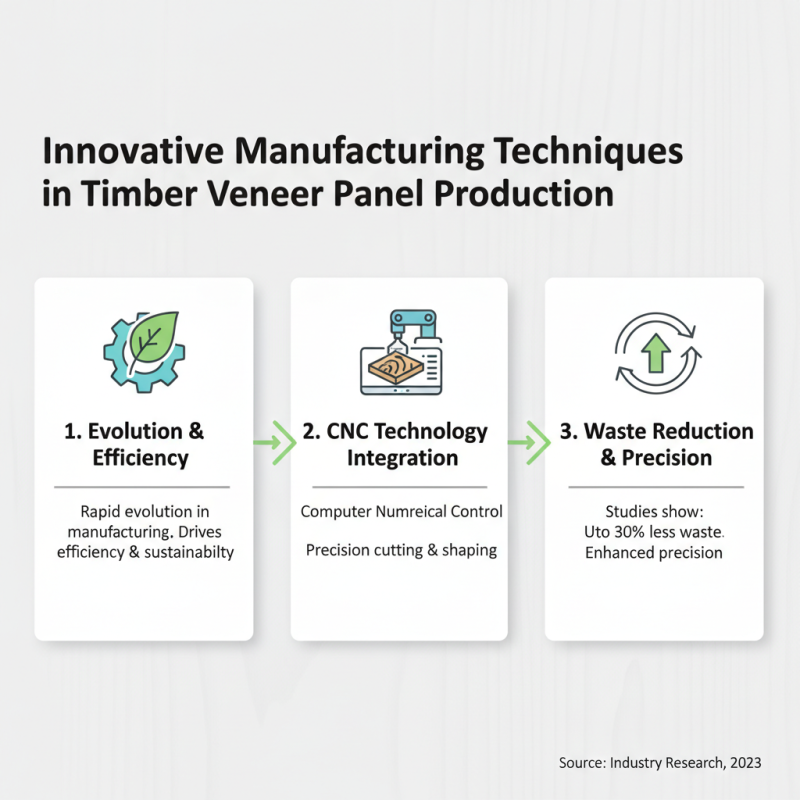
Sustainability is a crucial aspect of timber veneer panel selection, with an emphasis on eco-friendly sourcing and production methods. Additionally, innovative manufacturing techniques are examined, showcasing advancements that enhance both performance and environmental responsibility. The article also addresses global market trends impacting timber veneer panels, offering insights into consumer preferences and pricing dynamics. Finally, practical buying tips are provided to assist consumers in making informed choices when selecting timber veneer panels for their projects.

 1Durch die gruppenweite Einführung und Harmonisierung unseres integrierten Managementsystems (IMS) werden alle bestehenden Unternehmens-, Qualitäts-, Umwelt- und Energiepolitiken durch diese Unternehmenspolitik ersetzt. Der Slogan „Textil hat Zukunft – auch in De