Hey, when you're looking at roofing materials, picking the right 'Roof Ply' really matters—especially if you're a global buyer trying to get it just right. I remember Tom Anderson, one of the top guys in the roofing game, once said, 'Choosing the right ply can seriously boost how long a building lasts.' And honestly, that hits the nail on the head. Making informed choices when selecting Roof Ply isn't just smart; it's essential.
Now, here’s the thing—not all Roof Ply is the same. There are different grades and types that are suited for different needs, and that can be pretty confusing if you're not familiar with the ins and outs. This is when having some industry knowledge really pays off. Without it, it’s easy to get overwhelmed or pick something that might not be the best fit.
Getting it right can make a huge difference—you might end up extending a building’s lifespan or, on the flip side, ending up with costly repairs down the line. So, taking your time to choose carefully is totally worth it. When you're weighing your options, just remember to think things through. It’s all about setting yourself up for reliable construction and long-term success, after all.
Best Roof Ply Options for Global Buyers
When selecting roof plywood, global buyers must consider various factors, including durability, cost, and environmental impact. According to a report from the International Timber Organization, the demand for high-quality plywood has increased by over 25% in the last five years. This trend emphasizes the need for options that can withstand harsh weather conditions and provide long-term reliability.
Choosing the right type of plywood requires an understanding of wood species and manufacturing processes. Marine plywood, known for its water-resistant properties, is an excellent choice for humid climates. For regions with extreme temperatures, structural plywood offers enhanced strength. However, the end-use determines the ideal type. Sometimes, less expensive options may surprisingly underperform, leading to increased costs in the future.
**Tip:** Always check for certifications like those from the Forest Stewardship Council. These ensure sustainable sourcing and high-quality production. Also, consider the plywood's grade; higher grades typically imply fewer defects.
It's essential to remember that not all plywood is equal. A buyer may encounter misleading labels and unclear sourcing practices. Engaging with local suppliers and experts can often provide more reliable options. Understanding regional preferences can lead to better purchasing decisions.
Best Roof Ply Options for Global Buyers
This chart illustrates the average weight capacity (in pounds) of various roof plywood options commonly available in the global market. The data reflects the performance characteristics of these materials, helping buyers make informed decisions.
Understanding the Different Types of Roofing Plywood
When choosing roofing plywood, understanding the different types is crucial for global buyers. Plywood options vary in strength, durability, and cost. A report by Research and Markets indicates that the global plywood market was valued at approximately $60 billion in 2022 and is expected to grow. This growth signifies the rising demand for reliable construction materials.
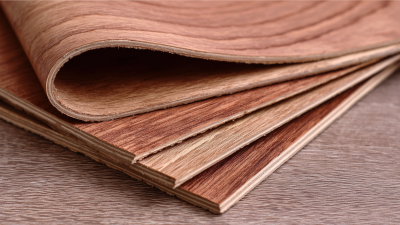
Veneer Ply stands out because of its thin layers of wood glued together. This option is both lightweight and strong. It is essential for roofing applications where weight considerations are paramount. However, buyers often overlook moisture resistance. In humid climates, standard Veneer Ply may warp or weaken. Industry leaders note that treated plywood can mitigate this issue, providing extra longevity.
Another option is oriented strand board (OSB), which is often cheaper than plywood. Yet, data suggests that OSB may not perform as well under heavy loads, especially in roofing contexts. On the other hand, engineered plywood might offer better stability. However, some consumers find it less aesthetically appealing, affecting market choices. Each type of plywood has its pros and cons. Buyers should assess their specific needs before making a decision.
Key Factors Influencing Roof Ply Selection Worldwide
When selecting roof ply options, global buyers must consider several key factors. Material durability is a primary concern. Reports indicate that plywood can last anywhere from 20 to 30 years, depending on its treatment. Different climates can significantly affect this lifespan. In hot, humid regions, plywood may rot more quickly, while cold climates may lead to cracking.
Another aspect to consider is weight. Heavier roof ply varieties, such as marine-grade plywood, can provide more stability under severe weather conditions. However, they also require stronger support structures. A study by the International Journal of Engineering shows that heavier materials can increase construction costs by up to 25%. This increase prompts buyers to balance between quality and cost-effectiveness.
Sustainability is becoming increasingly important in roof ply selection. Many buyers prefer environmentally friendly options. Reports indicate a 30% rise in demand for sustainably sourced plywood. However, sustainable options may sometimes lack the durability of traditional plywood. This raises questions about long-term viability and immediate costs. Buyers need to weigh benefits and drawbacks critically.
Comparative Analysis of Roof Ply Materials and Durability
When selecting roof ply materials, durability is crucial. Factors such as climate, installation technique, and maintenance play significant roles. Common options include plywood, oriented strand board, and fiber cement. Each material has unique properties affecting lifespan and performance.
Plywood is popular for its strength and versatility. It withstands various weather elements but can warp if not properly treated. Oriented strand board (OSB) offers moisture resistance, but it may not last as long under extreme conditions. Fiber cement boasts superior longevity and fire resistance, making it ideal for rugged environments. However, it can be heavier and more complex to install.
Tips for choosing the right material include assessing your local climate. Consider materials that withstand humidity or heavy snowfall. Always check installation guidelines. Quality installation impacts durability significantly. Ensure all materials are treated against water damage. Choose suppliers known for reliability. Look for reviews that emphasize long-term performance.
Cost Considerations for Roof Plywood in Global Markets
When considering roof plywood options for global buyers, cost is a crucial factor. In many markets, the price of plywood varies significantly based on the type and quality. Recent data shows that the global plywood market is expected to grow by 4.5% annually until 2027. This growth reflects the increasing demand for materials in both construction and renovation.
One cost-effective option is Mdf Ply Board, which offers good strength and stability. It has gained traction in many regions due to its affordability compared to traditional plywood. According to industry reports, Mdf Ply Board can be up to 20% cheaper than hardwood plywood, particularly in emerging markets. However, potential buyers should consider the specific environmental factors in their locale, as prices can fluctuate due to transportation costs and local tariffs.
While the benefits of using Mdf Ply Board are clear, challenges remain. Buyers should be aware of the potential for lower durability compared to higher-quality plywood. Proper handling during installation is essential to prevent damage. Market trends show that while costs remain a primary concern, quality should not be compromised. Prioritizing both features ensures that investment pays off over time.
Environmental Impact of Roof Ply Choices and Sustainability
When considering roof ply options, the environmental impact should take center stage. Sustainable materials are essential for our planet’s health. Many buyers overlook how their choices affect ecosystems. Prioritizing eco-friendly materials can significantly reduce carbon footprints.
Teak Faced Ply presents a unique option. It utilizes renewable resources, helping to protect forests. This material often comes from responsibly managed plantations. However, not all teak is sustainably sourced, so careful selection is critical. Reflect on the provenance of your materials.
Tips: Always check certifications. Look for products that are FSC certified, ensuring responsible forestry practices. Consider the durability of the ply; longer-lasting materials reduce waste. Engaging with suppliers about sustainability practices is vital. This dialogue can ensure that your choices align with environmental values.
Best Roof Ply Options for Global Buyers? - Environmental Impact of Roof Ply Choices and Sustainability
| Roof Ply Type | Material Source | Recyclability | Lifecycle Carbon Footprint (kg CO2e) | Durability (Years) | Cost per Square Meter ($) |
| Plywood | Sustainable Forests | Yes | 70 | 20 | 15 |
| OSB (Oriented Strand Board) | Recycled Wood | Yes | 85 | 15 | 10 |
| FSC-certified Plywood | FSC Certified Forests | Yes | 65 | 25 | 20 |
| Bamboo Ply | Bamboo Plants | Yes | 30 | 20 | 25 |
| Recycled Plastic Ply | Post-consumer Plastics | Yes | 20 | 30 | 30 |
Top Manufacturers and Their Offerings in the Roofing Ply Sector
When it comes to roofing ply, global buyers have many options. Each manufacturer offers different materials and technologies. Some focus on durability while others emphasize cost-effectiveness. Buyers must consider their specific needs and preferences when exploring these options.
Several manufacturers stand out in the roofing ply sector. They produce a range of products tailored for different climates and applications. Some emphasize eco-friendly materials, aiming to appeal to environmentally conscious consumers. Others prioritize strength and longevity, addressing concerns about extreme weather conditions.
Buyers should also pay attention to the installation process. Some products require specialized skills, while others are easier to work with. Understanding these nuances can lead to better outcomes. However, the market can be overwhelming. With numerous options available, selecting the right roofing ply may require careful thought. It's essential to research thoroughly and evaluate which product aligns best with individual project requirements.
FAQS
: Common options include Veneer Ply, oriented strand board (OSB), and engineered plywood. Each has its unique properties.
Veneer Ply consists of thin layers of wood glued together. This structure contributes to its lightness and strength.
Moisture resistance is key. Standard Veneer Ply may warp in high humidity. Treated plywood is a better option.
OSB is generally cheaper but may not perform as well under heavy loads compared to plywood.
Fiber cement offers superior longevity and fire resistance. It's best for harsh environments but can be heavier.
Installation significantly impacts durability. Poor techniques can lead to warping or damage, regardless of material quality.
Yes, reviews help gauge long-term performance. Look for feedback that emphasizes durability and reliability.
Some consumers find engineered plywood less attractive. This perception can influence buying decisions despite its stability.
Factors like climate, maintenance, and installation techniques significantly affect material longevity and performance.
Select materials suited to your climate, ensure proper installation, and choose treated options against water damage.
Conclusion
The article "Best Roof Ply Options for Global Buyers" explores various aspects of roofing plywood, providing valuable insights for those in the market for roof ply. It begins by outlining the different types of roofing plywood available, highlighting their unique characteristics and applications. Key factors influencing the selection of roof ply worldwide are discussed, including climate conditions, building regulations, and material availability.
Additionally, a comparative analysis of the durability of various roof ply materials offers readers an understanding of their performance in diverse environments. Cost considerations are also addressed, focusing on regional price variations and budget-friendly options. The environmental impact and sustainability of roof ply choices are emphasized, guiding buyers towards eco-friendly selections. Finally, the article concludes with a look at major manufacturers and their offerings in the roofing ply sector, equipping global buyers with the knowledge needed to make informed decisions.

 1Durch die gruppenweite Einführung und Harmonisierung unseres integrierten Managementsystems (IMS) werden alle bestehenden Unternehmens-, Qualitäts-, Umwelt- und Energiepolitiken durch diese Unternehmenspolitik ersetzt. Der Slogan „Textil hat Zukunft – auch in De