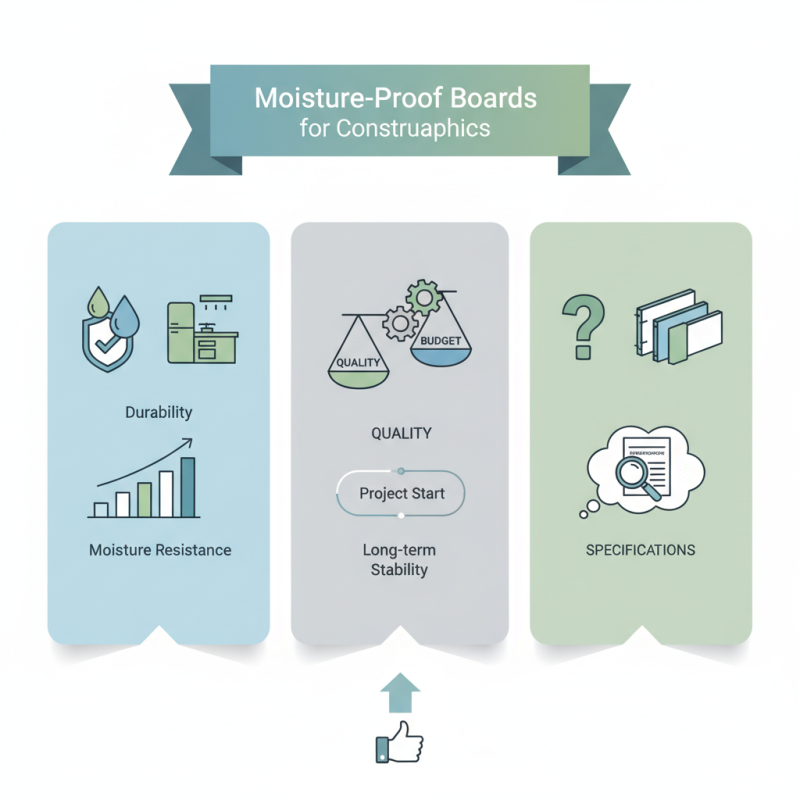
So, when you're diving into a DIY or construction project, picking the right materials really matters. One thing you definitely shouldn't overlook is the Moisture-Proof Board. These boards are pretty solid—they’re durable and handle moisture like a champ, making them perfect for spots like bathrooms or kitchens where humidity tends to be high.
Brands like XYZ Boards and ABC Materials are pretty popular for their Mdf Moisture Board. They usually deliver good quality, so your project stays stable and lasts longer. But here’s the thing—it's always a good idea to peek at their specs because not all moisture-proof boards are built the same. Some might not hold up under really extreme conditions.
Think about your choices for a sec—did you pick the best board for your needs? It’s a balancing act between quality and your budget. The right Moisture-Proof Board can make a huge difference in how smoothly your project goes. So, choose wisely, and you’ll thank yourself later on. No regrets, right?
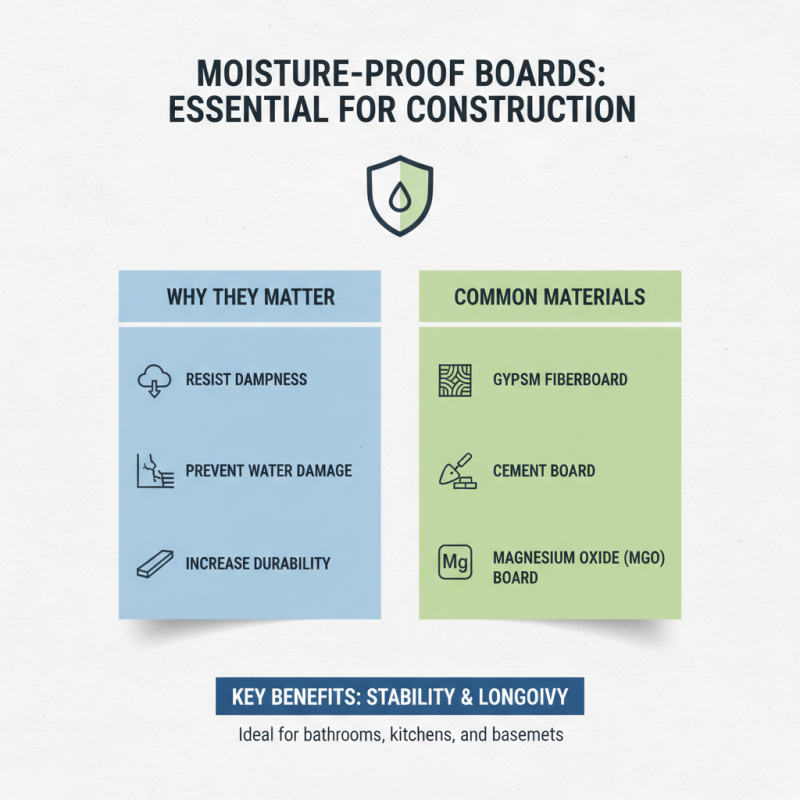
Moisture-proof boards are essential in many construction projects. These boards resist dampness and prevent damage from water exposure. They can be made from various materials, offering durability and stability for different uses.
Choosing moisture-proof boards benefits your project. They help in avoiding mold and rot. This ensures a longer lifespan, reducing the need for repairs. For instance, using Moisture Resistant Mdf Beadboard in bathrooms or kitchens is a smart choice. This product can withstand high humidity levels effectively.
Tips: When selecting boards, consider the thickness for added strength. A thicker board can often handle more moisture. Additionally, always check the manufacturer's specifications for the best results. Test samples before buying large quantities. It’s vital for ensuring quality and performance in your projects. Remember, not all boards are created equal. Some may claim moisture resistance but fail in real conditions. Prioritize quality to avoid future issues.
When choosing moisture-proof boards, it's essential to understand the types available on the market. One popular option is fiberglass boards. They are durable and resistant to moisture. These boards are often used in areas prone to humidity, such as bathrooms and kitchens. They can also serve well in basements.
Another great choice is oriented strand board (OSB). OSB is engineered from strands of wood and is treated for moisture resistance. It’s sturdy and ideal for construction. However, OSB may not always perform well in extreme conditions, so it’s crucial to evaluate its use carefully.
Tip: Always check the specifications. Look for boards rated for high moisture environments. This will ensure their longevity and effectiveness in your projects.
Plywood is another common type. Water-resistant plywood is available as well. It’s versatile and can be used in various applications. Keep in mind that not all plywood is created equal. Some may warp or swell if exposed to excessive moisture.
Tip: When selecting plywood, inspect the grade. Higher grades generally have better moisture resistance.
High-density polyethylene (HDPE) boards are also worth considering. These boards are waterproof and very durable. They can withstand outdoor elements but may be more expensive. Reflect on whether the investment aligns with your project's budget and needs.
When choosing wholesale moisture-proof boards, it's essential to consider several key features. First, look for durability. High-quality boards can withstand moisture without warping or swelling. This is crucial for projects in humid environments. Mdf Board, which often comes with a moisture-resistant option, can greatly enhance the longevity of your work. The thickness of these boards is another important aspect. Thicker boards often provide better resistance to moisture.
Additionally, pay attention to the surface finish. A smooth finish helps prevent water absorption. Some boards even come with a protective layer, which adds to their moisture barrier. It's worth noting that while many moisture-proof options exist, not all are created equal. Some may age poorly or lose their protective qualities over time. So, researching the right type is key.
Lastly, consider the environmental impact. Some moisture-proof boards are made with sustainable practices in mind. This can add value to your projects. However, not all wholesale options prioritize sustainability. Reflect on the trade-offs between cost and quality. A cheaper board might save money upfront but could lead to more issues later.
Finding the right moisture-proof boards for your projects can be a challenge. Selecting high-quality products matters. Some boards are not truly moisture-proof, leading to issues. You don’t want to discover that your materials warp or break after installation. Look for options that offer real durability.
Many brands claim to offer the best quality, but not all meet expectations. Some boards might appear sturdy but fail in wet conditions. It’s crucial to review product features and user feedback. Check if they resist moisture effectively. Investigate the manufacturing process, as it impacts longevity. A product may look good in pictures yet disappoint in practice.
Comparison is key when making a choice. Not every board is suitable for every application. Consider your project's specific requirements. You may need thinner boards for certain installations, while thicker options could offer better protection. Take time to research different offerings. Sometimes, spending a little more avoids headaches later.
When selecting moisture-proof boards for various projects, pricing can vary significantly. High-quality options often come with a higher cost, reflecting their durability and longevity. Material types, thickness, and intended use play crucial roles in determining price tiers, impacting overall project budgets. Many buyers might lean toward cheaper variants, hoping to save money upfront. However, these boards may lack the weather resistance or longevity needed for satisfactory performance.
Comparing prices offers valuable insights into the market. The range of costs can span from very affordable to premium. Some budget options might seem tempting but could result in higher replacement rates. On the other hand, more expensive boards often deliver remarkable benefits in moisture resistance, making them worth considering in the long run. Evaluating the initial investment against potential future costs is essential. Just looking at price tags without considering performance could lead to regrettable choices down the line. Keeping an eye out for sales and bulk discounts can lead to smarter purchases while maintaining quality.
Moisture-proof boards are essential in various projects. These boards provide durability and protect against moisture damage. Their applications are wide-ranging, from construction to furniture design. For instance, they are often used in bathrooms, kitchens, and laundry rooms where humidity levels are high.
One common application includes building cabinets. Moisture-proof boards ensure that the cabinets remain intact over time. They resist warping and swelling caused by high moisture. Another popular use is in flooring. Using moisture-proof boards can prevent issues that often arise with traditional materials. It’s a smart choice for areas prone to spills.
However, not all moisture-proof boards are perfect. Some may not adhere well to adhesives. This can lead to installation challenges. Additionally, occasional bowing might occur if the boards are exposed to extreme conditions. It's important to evaluate their limitations. Choosing the right moisture-proof board, like a suitable Pet Board, can enhance the success of your project. These details matter, and careful consideration will lead to better results.
Choosing the right moisture-proof board for your projects involves careful consideration. Moisture-proof boards come in various materials and thicknesses. Each option serves a different purpose, so it's essential to clarify your needs first. For instance, if you plan to use an Osb Board for outdoor applications, ensure it has a high water resistance rating. This can affect durability and overall performance.
Pay attention to the physical characteristics of the boards. Look for boards that are dense and have a smooth surface. This indicates better moisture resistance and enhances aesthetics. Don't underestimate the importance of weight. Lighter boards might be easier to handle, but they often compromise on strength. Consider the environment where the board will be used. Extreme humidity or frequent water exposure requires more robust options.
Remember that price does not always reflect quality. Sometimes, cheaper boards can serve your purpose just as well, but you need to do thorough testing. Finding a balance between cost and functionality may require reflection. If you're still uncertain, consulting with industry professionals can provide valuable insights. Aim to select materials that not only meet your immediate needs but also align with your long-term project goals.
In the vibrant world of UV board colors, selecting the perfect hue for your next project can significantly influence both the aesthetics and functionality of your design. Recent industry reports highlight a growing trend in color selection, indicating that nearly 60% of designers prioritize color as a primary factor when developing new products. This statistic underscores the importance of understanding not just the visual appeal of colors, but also their psychological impact and branding potential.
When exploring UV board colors, it's essential to consider the context in which they will be used. For instance, bold and vibrant hues can evoke emotions, attract attention, and create a lasting impression. According to a survey by the Color Association of the United States, colors like vibrant reds and blues tend to enhance perceived value and quality, which can be critical in competitive markets. Additionally, utilizing eco-friendly pigments in your UV boards caters to the rising consumer demand for sustainability, potentially increasing market appeal and customer loyalty.
The selection process should also account for application-specific needs. For example, UV boards exposed to prolonged sunlight require colors that can withstand fading while maintaining their vibrancy. A recent report from the Coatings Research Institute indicated that products with high UV resistance not only last longer but also reduce maintenance costs over time. This insight can guide designers toward durable, high-performance options that enhance the longevity and visual integrity of their projects.
: You can write articles, blogs, or social media posts. Focus on engaging topics that interest your audience.
Aim for consistency. Weekly or bi-weekly publications often work well. Avoid long gaps.
Think about your audience's interests and trends. Personal experience can inspire unique ideas.
Use social media, email newsletters, or collaborate with others. Share in relevant online communities too.
Track engagement through likes, shares, and comments. Analyzing these metrics can indicate what resonates.
Yes, but update it to keep it relevant. Old ideas may need a fresh look or additional details.
Take breaks and brainstorm ideas. Reading or discussing topics can spark inspiration too.
Practice regularly and seek feedback. Learning from others can highlight areas for growth.
Yes, your tone may change based on the audience. Stay authentic while adapting as needed.
Share personal experiences and insights. Reflect on your perspective to create unique content.
Moisture-Proof Boards are essential materials designed to withstand moisture and prevent damage in various projects. Understanding their benefits can significantly enhance longevity and performance in construction and cabinetry. This article outlines the various types of high-quality moisture-proof boards available, highlighting key features to consider when selecting wholesale options.
Additionally, a comparative analysis of pricing helps consumers make informed decisions. The article also discusses common applications for moisture-proof boards, emphasizing their versatility in areas prone to humidity and water exposure. Concluding with tips on how to choose the right moisture-proof board for specific needs, this guide serves as a valuable resource for anyone looking to enhance their projects with durable and reliable materials.