
You know, the construction world is really starting to get on board with sustainability stuff. You’ve probably noticed the buzz around Eco-Friendly Boards—they’re becoming more common, and for good reason. Not only do these materials help cut down on environmental damage, but they also make buildings work better and last longer. I read somewhere that, according to the Sustainable Building Council, the global market for these green boards is expected to hit around $12 billion by 2025. Crazy, right? It just goes to show how much people are looking for sustainable solutions these days.
Dr. Emily Green, one of the industry’s key experts, really hits the nail on the head when she says, ‘Eco-Friendly Boards are changing the game for sustainable building — making greener options more accessible than ever.’ It’s a pretty exciting time for builders who want to do better for the planet while still keeping their projects top-notch.
That said, it’s not all smooth sailing. Switching over to these eco-friendly options isn’t always straightforward. A lot of companies still stick with traditional materials, mainly because of costs or just not knowing enough about the green alternatives. Getting more education out there and investing in sustainable options is kind of the secret to making this switch happen more broadly. As the industry keeps evolving, it’s super important for everyone who cares about sustainability to stay in the loop and choose the best high-quality, eco-friendly options available.
When choosing eco-friendly boards for sustainable building, several characteristics stand out. Low environmental impact is key. A report by the U.S. Green Building Council highlights that sustainable materials can reduce energy use by up to 30%. This is significant for both builders and the environment.
Durability and longevity are other essential traits. Eco-friendly boards should withstand wear and tear while requiring minimal maintenance. A study from the National Institute of Standards and Technology found that durable materials could extend a building's lifespan by 50%. However, there's often a trade-off between durability and initial cost, which can lead to difficult decisions.
Another critical aspect is the source of raw materials. Sustainable boards often come from recycled or rapidly renewable resources. This reduces landfill waste and promotes a circular economy. Yet, some manufacturers struggle to provide transparency in sourcing. Potential buyers need to be vigilant and seek certifications. Without proper verification, they may inadvertently support less eco-friendly practices.
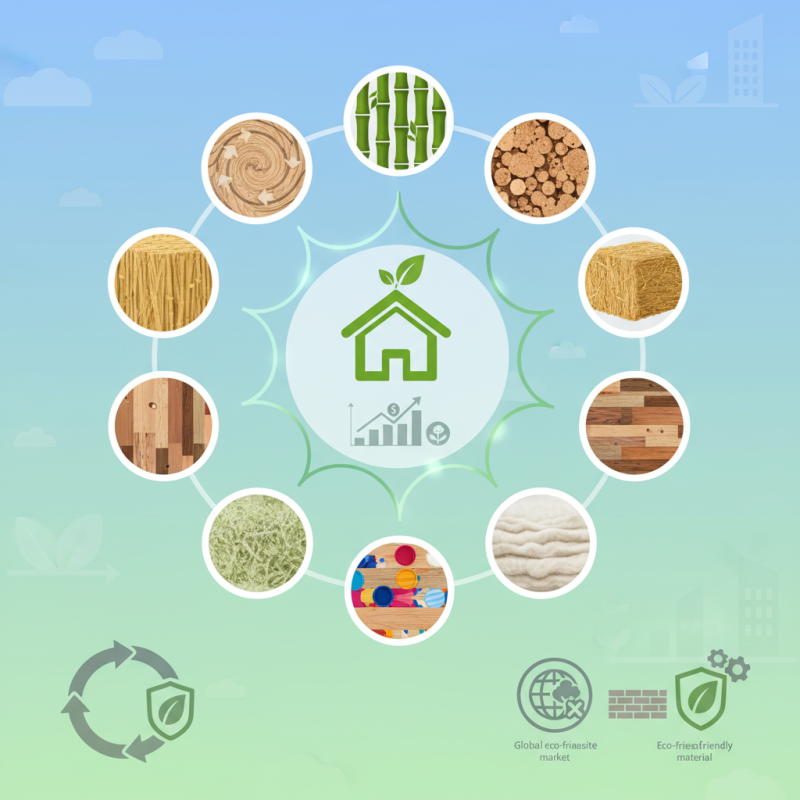
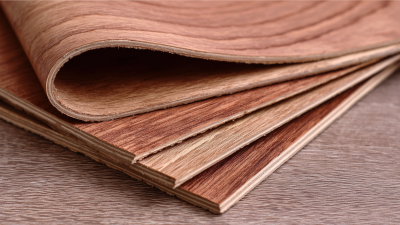
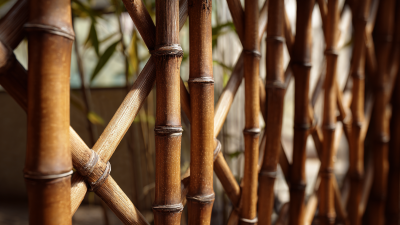
When considering eco-friendly board options, it's essential to focus on the raw materials used in their production. Common sustainable materials include bamboo, recycled wood fiber, and repurposed plastics. Bamboo, known for its rapid growth, can reduce deforestation rates significantly. Studies show that bamboo can grow up to three feet in just 24 hours, making it a highly renewable resource.
Recycled wood fiber is another popular choice. It is usually sourced from post-consumer waste, minimizing landfill impact. Reports indicate that using recycled materials can decrease the demand for virgin timber by up to 70%. This shift not only helps preserve ecosystems but also cuts down on carbon emissions associated with logging.
Moreover, eco-friendly boards often incorporate bio-based plastics derived from natural sources like corn or sugarcane. These materials present an opportunity to reduce dependence on fossil fuels. However, critics argue that scaling up bio-plastic production may compete with food resources, leading to ethical concerns. Balancing these factors is crucial for the sustainable building movement.
| Material Type | Source | Sustainability Rating | Recyclability | Thickness (mm) | Applications |
|---|---|---|---|---|---|
| Bamboo Plywood | Bamboo Forests | A+ | Yes | 4-18 | Furniture, Décor |
| Recycled Paperboard | Recycled Materials | A | Yes | 3-10 | Packaging, Insulation |
| Cork Board | Cork Oak Trees | A+ | Yes | 5-20 | Flooring, Wall Panels |
| Hemp Fiber Board | Hemp Plants | A | Yes | 10-25 | Insulation, Construction |
| OSB (Oriented Strand Board) | Composite Wood | B | Limited | 7-20 | Sheathing, Subflooring |
| MDF (Medium Density Fiberboard) | Recycled Wood Chips | B | No | 5-25 | Cabinets, Furniture |
| Wheat Straw Board | Wheat Residue | A+ | Yes | 10-20 | Wall Panels, Partitions |
| Sugarcane Bagasse Board | Sugarcane Residue | A | Yes | 8-15 | Furniture, Décor |
| Cellulose Board | Recycled Paper | B+ | Yes | 4-12 | Insulation, Soundproofing |
Using high-quality wholesale eco-friendly boards offers numerous benefits for sustainable building projects. These materials often come from renewable resources. They reduce environmental impact significantly. Additionally, they can contribute to energy efficiency in buildings. The production processes for these boards usually involve less energy and fewer chemicals.
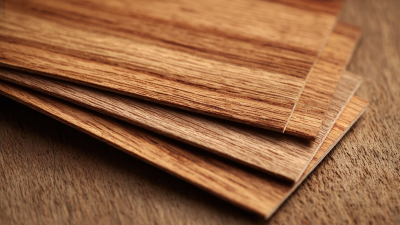
When selecting eco-friendly boards, consider wood alternatives like bamboo or recycled materials. Look for certifications that indicate sustainability. Poor choices can lead to unexpected issues, such as reduced structural integrity or higher maintenance needs. Ensure that the suppliers are transparent about their sourcing methods. This can enhance your project’s credibility.
Moreover, eco-friendly boards often provide excellent insulation. This can lower energy bills over time. While they may be more expensive upfront, the long-term savings can be worthwhile. Regular maintenance is crucial, though. Neglecting it could lead to problems later on. Consider these elements carefully for a successful building.
In recent years, eco-friendly boards have gained traction in sustainable building. These boards offer a range of materials, including recycled wood, bamboo, and other natural fibers. According to industry reports, the global market for eco-friendly construction materials is expected to reach $364 billion by 2024. That indicates a growing interest in sustainable options for builders and architects.
When comparing popular eco-friendly board brands, several factors stand out. Some boards excel in thermal insulation, while others focus on durability. A report by the International Green Construction Council highlights that boards made from reclaimed materials reduce waste significantly. However, the quality can vary greatly. Not every board meets the same safety and environmental standards. Additionally, some suppliers may lack transparency about their sourcing practices.
Choosing the right eco-friendly board isn't straightforward. Aesthetic choices, structural integrity, and environmental impact all play crucial roles. Some boards might emit VOCs, which can compromise indoor air quality. Careful review of each product’s specifications is essential. Industry experts recommend looking for certifications that confirm sustainable practices. Though options abound, not all are created equal, necessitating a thoughtful selection process.
Choosing the right eco-friendly board for your project is crucial. Many factors influence this decision. First, consider the material's sustainability. Look for boards made from reclaimed wood or bamboo. Reports indicate that using bamboo can reduce carbon emissions by up to 35% compared to traditional timber.
Evaluate the board's durability and lifespan. Some eco-friendly options may not last as long as conventional materials. A study shows that plywood has a lifespan of about 20 years, while certain biocomposite boards can degrade much faster. Check the board's resistance to moisture and pests to ensure it meets your needs.
Cost is another significant consideration. Sustainable boards often come with a higher price tag. However, consider the long-term savings on maintenance and replacement. Limited availability in your area could also impact your choice. Aim for a balance between quality and constant supply when selecting boards. This decision reflects your commitment to sustainability but may require trade-offs along the way.
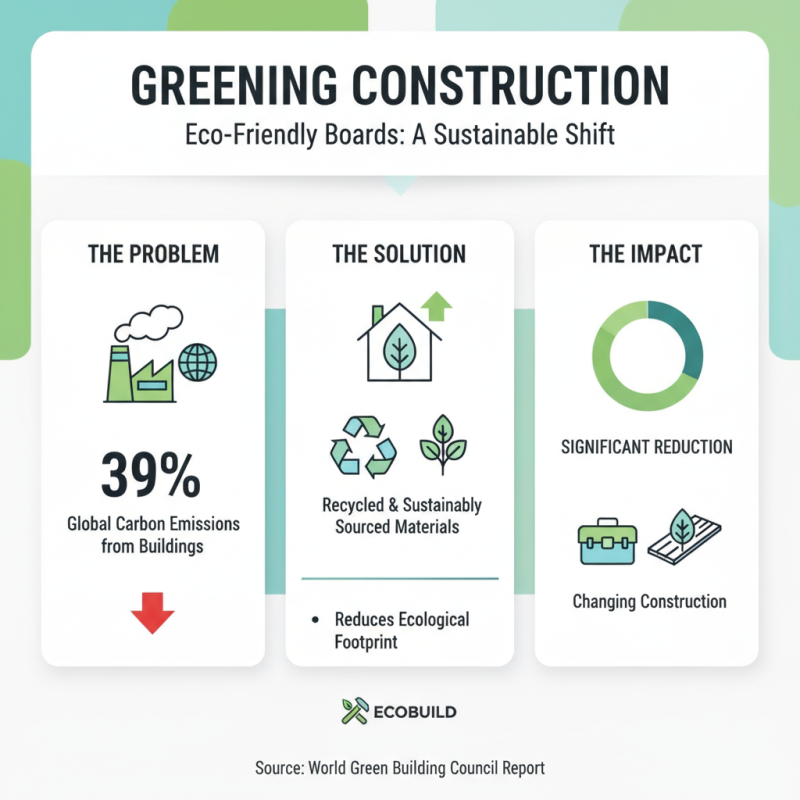
Eco-friendly boards are changing how we approach construction. These materials often come from recycled or sustainably sourced resources. According to a report by the World Green Building Council, buildings account for 39% of global carbon emissions. This statistic drives the need for alternatives like eco-friendly boards, which can significantly reduce our ecological footprint.
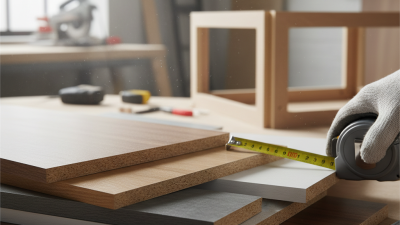
Many architects are integrating these boards into innovative designs. For instance, some use them for partitioning and wall cladding. This approach offers flexibility in design and can enhance indoor air quality. However, challenges remain. The durability and performance of some eco-friendly boards can vary widely, leading to inconsistent results. It's crucial for builders to conduct thorough testing.
Recyclability is another aspect worth noting. Many eco-friendly boards are designed for easy disassembly, allowing reuse in future projects. Still, not all products meet this standard. A lack of industry-wide certifications can create confusion. As the market grows, a unifying standard would aid both consumers and manufacturers in making informed decisions.
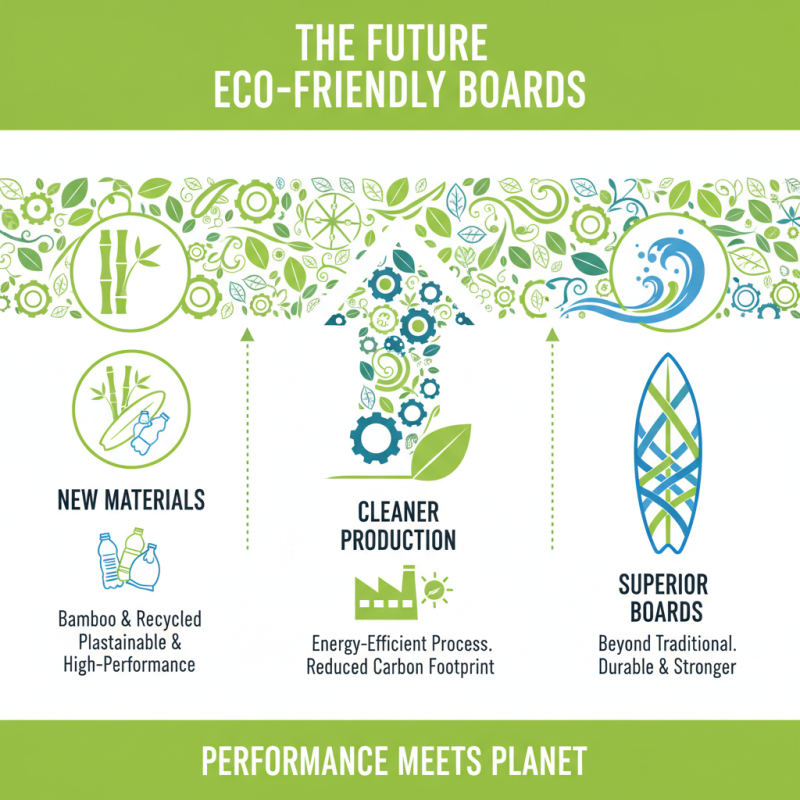
The future of eco-friendly board manufacturing is evolving rapidly. New materials, like bamboo and recycled plastics, are gaining traction. These boards are not just sustainable; they often outperform traditional options. The manufacturing process is becoming more energy-efficient, reducing the carbon footprint significantly.
However, challenges remain. Not all eco-friendly boards meet structural standards. This raises concerns about safety and durability. Additionally, sourcing raw materials sustainably can lead to supply chain issues. Some manufacturers are exploring local materials, which could cut transportation emissions. Still, the availability varies by region.
Emerging technologies are also influencing production methods. Innovations like 3D printing allow for customization and minimal waste. Yet, the industry must address high energy consumption in these processes. Balancing sustainability with efficiency requires ongoing effort. These evolving trends present exciting possibilities and significant challenges in eco-friendly building materials.
: We provide a range of personal care items. You can find skin care, hair care, and cosmetics.
Orders can be placed through our online platform. Simply select products and follow the checkout process.
Yes, we ship to many countries. Check the shipping section for details on delivery times and costs.
Yes, we accept returns within a specific period. Ensure products are unused and in their original packaging.
We accept credit cards and various online payment methods. Make sure to choose the one that suits you.
Once shipped, you’ll receive an email with tracking information. Use that to check your order status online.
Yes, we encourage repeat customers. Join our loyalty program for discounts and exclusive offers over time.
Changes can be made quickly. Contact customer service shortly after ordering for help with modifications.
If an item is damaged, contact us immediately. We will guide you on how to resolve this issue swiftly.
Most products are tested for safety. However, testing on a small area is recommended for those with sensitive skin.
Eco-Friendly Boards are becoming increasingly important in sustainable building practices due to their various characteristics and benefits. These boards are made from sustainable materials that not only reduce environmental impact but also enhance the overall quality of construction projects. Understanding the types of materials used in the production of Eco-Friendly Boards can help builders select the right options for their specific needs.
The article highlights the advantages of using high-quality wholesale Eco-Friendly Boards, including durability, insulation properties, and versatility in applications. Furthermore, it discusses the innovative uses of these boards in construction, showcasing their potential to meet future trends in building sustainability. By examining key factors such as brand comparisons and project requirements, builders can make informed decisions when incorporating Eco-Friendly Boards into their designs, ultimately contributing to a greener future.