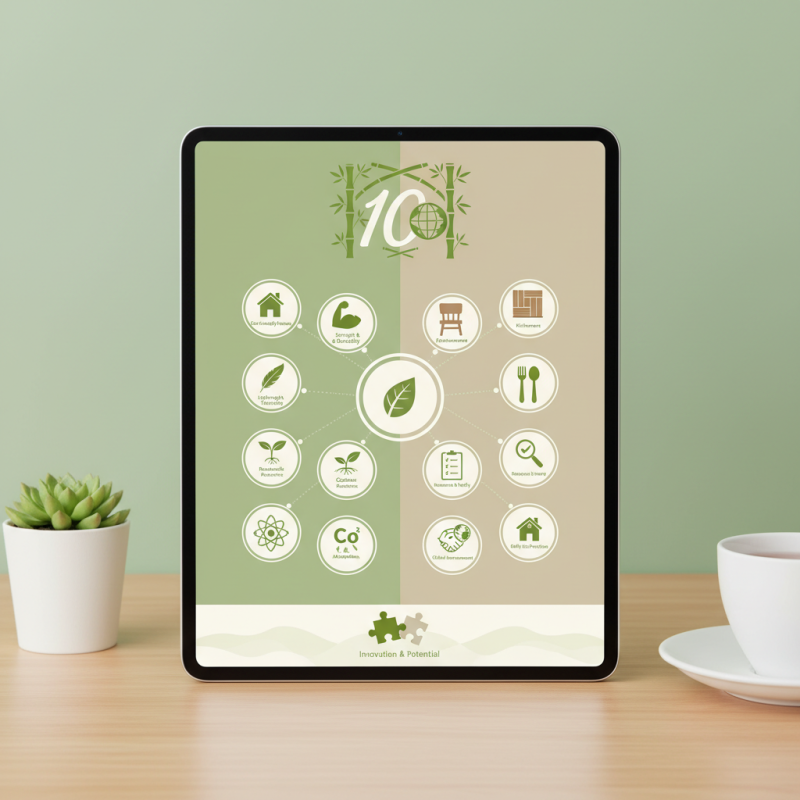
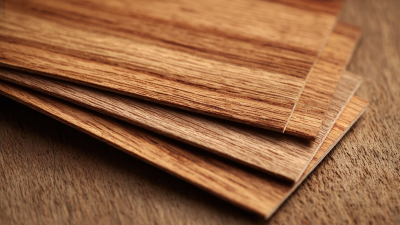
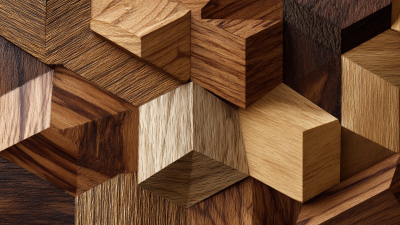
Lately, Bamboo Fiber Boards have been really catching on, especially with folks into eco-friendly living. I mean, experts like John Green from EcoMaterials keep singing their praises. He even called them a total game changer for making homes greener. What’s awesome about these boards is that they’re not just super strong but also lightweight and flexible—kind of like the Swiss Army knife of building materials.
More and more people who care about the planet are choosing Bamboo Fiber Boards because they’re durable and pretty easy to work with. Plus, they’re made from bamboo that grows super fast and absorbs a lot of CO2 during its lifecycle. You can find these boards everywhere—furniture, floors, even kitchen stuff—so they really do give you a lot of options for different styles.
That being said, it’s not all smooth sailing. The truth is, not every Bamboo Fiber Board out there is equal. Some might not meet strict environmental standards, so it’s up to us as consumers to double-check brands and see if they’re genuinely sustainable. Still, despite all these hiccups, I think the potential for Bamboo Fiber Boards to make a difference is pretty exciting. They’re a step in the right direction when it comes to living more eco-friendly every day.
Bamboo fiber board offers many benefits for sustainable living. This eco-friendly material is made from bamboo, a fast-growing plant. Unlike traditional wood boards, bamboo production uses less water and energy.
One significant advantage is its durability. Bamboo fiber board resists warping and is less prone to cracking. This makes it an ideal choice for various furniture and interior applications. The natural antimicrobial properties also help reduce bacteria growth. This feature is essential for maintaining a healthy living space.
**Tip:** When selecting bamboo fiber board, look for certifications related to sustainability. This ensures the product comes from responsibly managed sources.
Another factor is its carbon footprint. Bamboo absorbs more carbon dioxide than trees during its growth cycle. Choosing bamboo over conventional Mdf Fiber Board can help reduce overall emissions. However, some may question the sourcing of bamboo. Ensure it's harvested responsibly to avoid damaging local ecosystems.
**Tip:** Consider the lifecycle of the product. Products with short life cycles may contribute to waste. Aim for boards that are designed for longevity and recyclability.
Bamboo fiber board demonstrates that beautiful living spaces can be eco-conscious. With the right choices, it’s possible to harmonize style with sustainable practices.
Bamboo fiber products offer impressive durability and longevity. When compared to traditional materials, bamboo stands out. Its natural toughness makes it resistant to warping and cracking. This is essential for sustainable living. Many people recognize that these qualities contribute to longer-lasting goods.
Bamboo Mdf, for example, is a popular choice in furniture and home decor. It supports the idea of investing in lasting products. However, not all bamboo products are created equal. Some might wear out quickly, lacking proper treatment. Choosing high-quality bamboo fiber boards ensures enduring performance.
Despite their strengths, users sometimes overlook maintenance. Regular cleaning and care extend the life of bamboo items. Reflecting on our habits is key. By making informed decisions, we become more sustainable consumers. Embracing the durability of bamboo can significantly impact our environment.
Bamboo fiber is gaining attention as a sustainable alternative to traditional materials. Its environmental impact is often less severe compared to wood and plastics. Bamboo grows quickly and requires fewer resources to cultivate. This makes it an appealing choice for eco-conscious consumers.
In contrast to conventional materials, bamboo fiber produces fewer carbon emissions. It absorbs more CO2 during its growth. While some question the durability of Bamboo Wood Veneer, it still holds strong against weather and wear. Critics argue that sourcing practices can be problematic. Not all bamboo is harvested sustainably.
Using bamboo fiber can decrease deforestation rates. Traditional materials often come with high environmental costs. Few realize that bamboo can be recycled and biodegrades efficiently. This quality aligns well with sustainable living goals. Yet, not all bamboo products are created equal. Awareness of sourcing and production methods is essential for truly sustainable choices.
Bamboo fiber is a remarkable material that offers numerous health benefits in daily life. Known for its natural properties, bamboo fiber promotes breathability and moisture-wicking. This makes it ideal for clothing and home textiles. People often find bamboo fabric soft and comfortable against their skin, reducing the risk of irritation.
Using bamboo fiber products can also contribute to better sleep quality. The fabric’s antibacterial properties help maintain a clean sleeping environment. Many users report feeling fresher after a night’s sleep on bamboo bedding. It’s truly a game-changer for those sensitive to allergens.
Tips: Consider switching to bamboo towels. They are highly absorbent and dry quickly, making them excellent for daily use. Always check the care instructions to prolong the life of your bamboo items. Experiment with bamboo kitchenware as well; it’s lightweight and durable.
Many consumers are unaware that bamboo is naturally pest-resistant. This means fewer chemicals are used in its cultivation. While bamboo products may be slightly more expensive, the long-term benefits for both health and the environment are significant. Embracing bamboo might require some adjustments, but the rewards are worth it.
Bamboo fiber board is gaining traction for its economic advantages in sustainable living. Recent reports indicate that bamboo demand is expected to grow by over 10% annually. This rapid growth reflects its increasing use in various industries, from construction to furniture design. The material is sustainable; it reduces reliance on traditional hardwoods, which are depleting at alarming rates.
Manufacturers often report lower production costs when using bamboo. The fast growth rate of bamboo, often over three feet per day, allows for quicker harvesting cycles. This contributes to a decrease in overall operational expenses. For example, one study found that businesses can save up to 30% on materials by choosing bamboo over conventional timber. However, it’s important to reflect on the quality assurance processes involved. Not all bamboo products are created equal, and some may lack durability.
While bamboo fiber board offers many economic benefits, it is not without challenges. Environmental impacts linked to over-harvesting in some regions raise concerns. Additionally, not all manufacturers adhere to best practices in sustainable sourcing. Ensuring quality and sustainability requires ongoing vigilance and industry commitment. The focus should always remain on balancing cost with environmental responsibility.
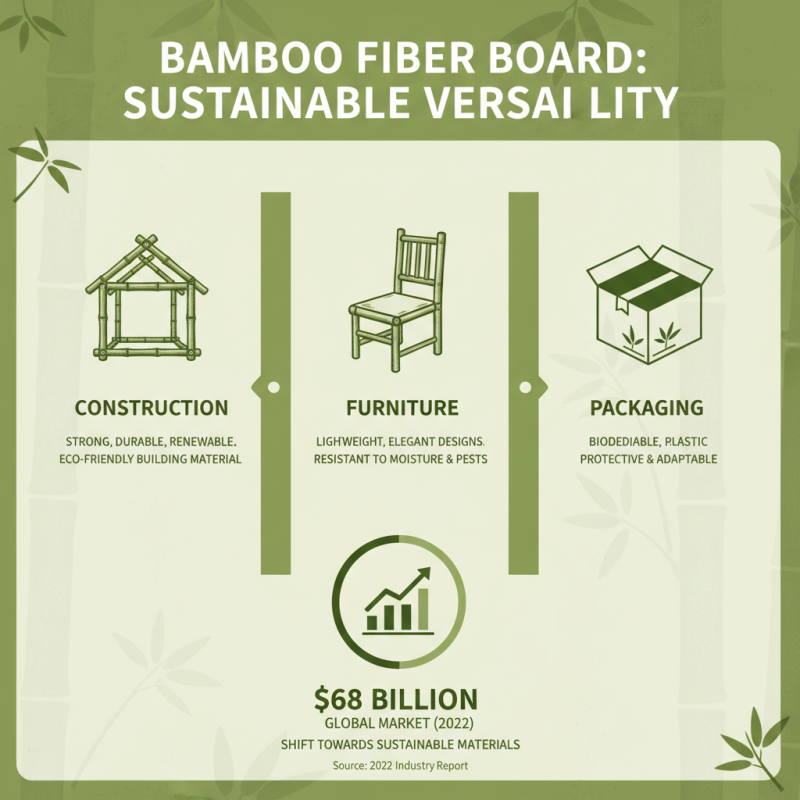
Bamboo fiber board is gaining traction in various sectors. Its versatility stems from natural durability and eco-friendliness. This makes it ideal for construction, furniture, and packaging. A 2022 report valued the bamboo products market at $68 billion, indicating a substantial shift towards sustainable materials.
In construction, bamboo fiber board offers structural strength. It withstands moisture, making it suitable for humid environments. Additionally, many designers are incorporating Bamboo Veneer Sheets for cabinetry and decorative surfaces. They provide a unique aesthetic while promoting sustainability. This board can also serve as insulation, reducing energy costs.
Tips: Look for products certified by recognized sustainability organizations. This ensures you are contributing positively to the environment. Always consider the lifecycle impact of materials in your projects. Using bamboo products helps bolster the eco-friendly movement, yet some may overlook the energy needed for processing. Awareness of these details is vital for truly sustainable choices.
The aesthetic appeal of bamboo products is notable. Bamboo’s natural texture gives a unique look. This can enhance any space. The visual warmth of bamboo creates an inviting atmosphere. Designers appreciate its versatility. It fits various styles, from modern to rustic. This flexibility makes it a favorite choice in sustainable living.
A report by the International Bamboo and Rattan Organization highlights growing trends in bamboo design. The market for bamboo products is expected to reach $98 billion by 2025. This reflects increasing consumer demand for sustainable materials. High-quality bamboo fiber board is not just functional but also beautiful. The grain patterns vary, offering a distinctive character in each piece.
However, some manufacturers may cut corners to lower costs. This can compromise the quality of the final product. Consumers should research to ensure they are selecting true bamboo fiber. Quality matters, especially in sustainability. There’s a need to balance aesthetics with durability. Buyers should seek out those who maintain standards while promoting eco-friendly practices.
: This product aims to improve daily convenience and functionality. It can simplify routines.
Follow the provided instructions closely. Try different methods to see what works best for you.
Yes, always handle with care. Avoid using in unsafe conditions or when distracted.
Stop using it immediately. Check for basic issues first. If needed, seek professional help.
Ideally, it’s for a specific audience. Assess whether it suits your needs and capabilities.
It consists of various materials designed for durability. However, some may wear out over time.
Regular cleaning is essential. Neglect can lead to decreased performance or safety risks.
Longevity varies based on use and care. Some may last years, while others may not.
Yes, review the return policy. Conditions apply, so be sure to check the details.
Many products include a warranty. However, the duration and terms can differ widely.
Bamboo Fiber Board offers numerous benefits that align with sustainable living practices. Its remarkable durability and longevity make it an ideal choice for eco-friendly products, outperforming traditional materials in both environmental efficiency and health safety. The use of bamboo fiber contributes to lower carbon emissions and reduced deforestation, promoting a more sustainable ecosystem. Additionally, its affordability in wholesale markets presents economic advantages, allowing businesses and consumers alike to make greener choices without breaking the bank.
The versatility of Bamboo Fiber Board extends to various applications, from home furnishings to construction materials, offering great aesthetic appeal and design flexibility. Whether used for practical purposes or decorative elements, bamboo fiber demonstrates its adaptability while enhancing the visual appeal of spaces. By incorporating Bamboo Fiber Board into daily life, individuals can support sustainable practices while enjoying the benefits of a high-quality, eco-friendly material.