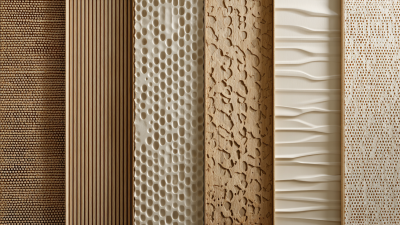
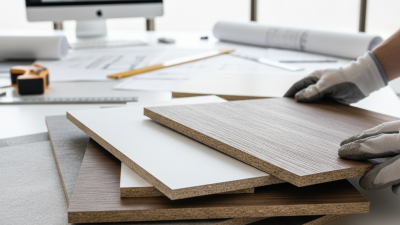
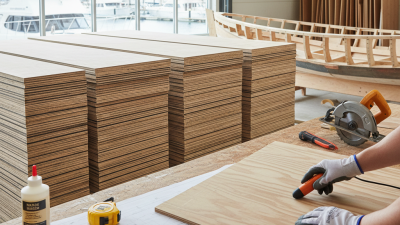
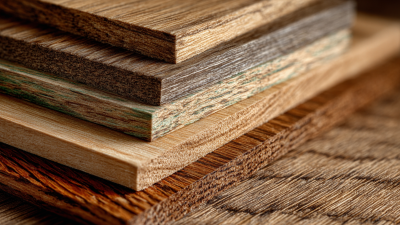
Mdf Panel Boards have really been making waves in the worldwide market lately. People love them because they’re pretty versatile and durable—pretty much a go-to for many projects. A recent report from Allied Market Research mentioned that the global MDF market could hit around $35 billion by 2027. That surge makes sense when you think about how much demand there’s been in furniture making and construction these days.
One of the reasons folks are into MDF is its super smooth surface—perfect for painting or veneering without the hassle. Plus, it doesn’t warp as easily as solid wood, which is a big bonus for manufacturers looking for reliable stuff. There's also a growing craze for eco-friendly options, and since MDF often uses recycled wood fibers, it’s pretty popular in that regard. That said, some concerns come with the adhesives used in production—that's something to watch out for, as it can impact quality.
Now, while MDF has a lot going for it, buyers should be a bit cautious. Not all MDF panels are created equal—cheap options can sometimes be less durable. Going with reputable brands like Egger or Louisiana-Pacific can really help ensure you're getting a good product. Bottom line? It’s all about understanding the pros and cons so you can make smarter choices when picking out Mdf Panel Boards.
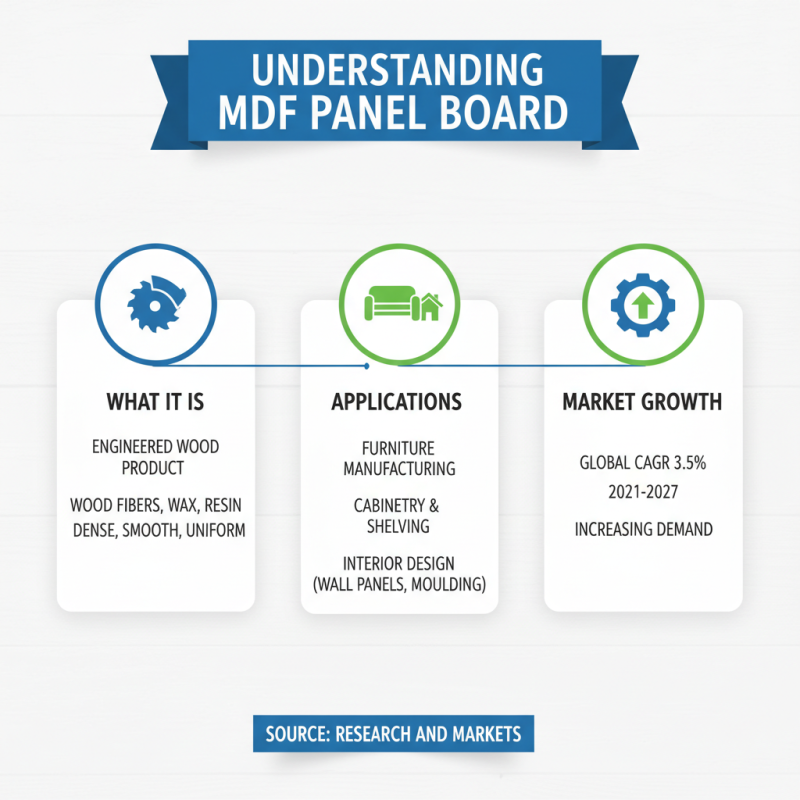
MDF panel boards, or medium-Density Fiberboards, have gained popularity in various industries. These engineered wood products are made from wood fibers, wax, and resin. This combination ensures they are dense, smooth, and suitable for a range of applications. According to a report by Research and Markets, the global MDF market is expected to grow at a CAGR of 3.5% from 2021 to 2027. This growth reflects their increasing demand in furniture and interior design.
Mdf Boards offer significant advantages. They are not only cost-effective but also versatile. They can be easily machined and painted, making them ideal for intricate designs. One study from TechSci Research indicates that increasing urbanization and consumer preferences for stylish interiors are driving the MDF market. However, potential buyers should be mindful of potential issues such as moisture resistance. If exposed to significant moisture, MDF can swell and lose integrity.
Tips for selecting MDF panels:
- Always check the density. Higher density often means better quality.
- Consider eco-friendly options. Check if the MDF is produced with sustainable practices.
- Look for certifications. Products with certifications often meet stricter environmental and safety standards.
Mdf Panel Board is increasingly popular in various industries. Its key characteristics make it a versatile choice for global buyers. Made from wood fibers, MDF offers a smooth surface that is ideal for painting and veneering. This quality allows for a polished finish in furniture and cabinetry.
Another significant trait is its moisture resistance. Many applications, especially in kitchens and bathrooms, benefit from MDF's ability to withstand humidity. However, it is important to note that excessive exposure to moisture can lead to issues. Buyers must be mindful of this limitation.
Additionally, Mdf Panel Board iseasy to work with. It can be cut, shaped, and molded into various designs. This adaptability makes it a favorite among designers and craftsmen. Yet, careful handling is essential during the production process. Dust from cutting MDF can be harmful if not managed properly. Thus, taking necessary precautions is vital for safety.
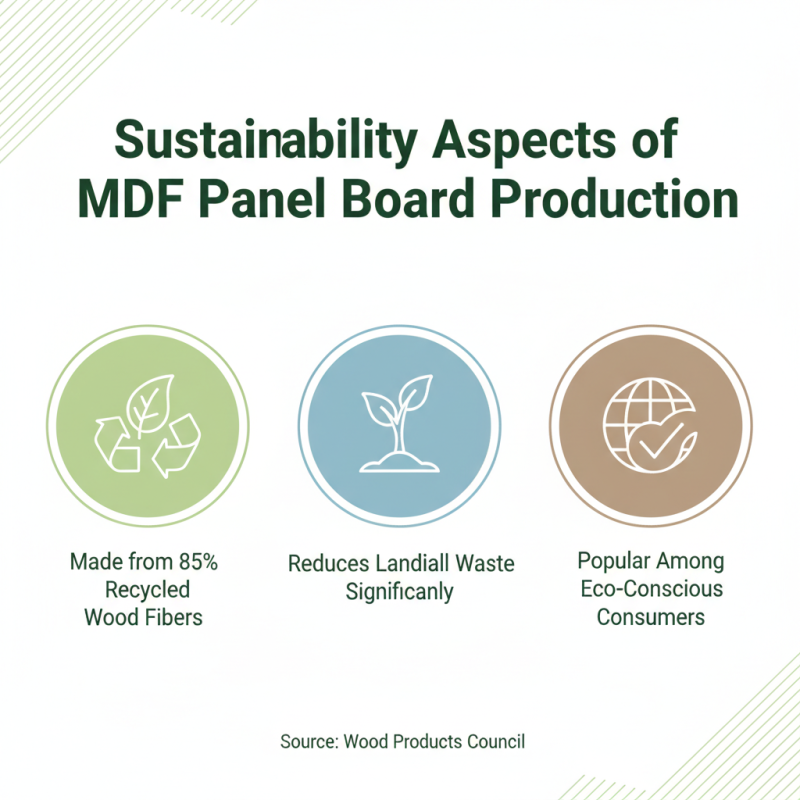
Mdf Panel Boards are gaining popularity worldwide, especially among environmentally conscious consumers. The production of MDF, or Medium-Density Fiberboard, emphasizes sustainable practices. Data from the Wood Products Council shows that 85% of the materials used in MDF are recycled wood fibers. This aspect drastically reduces waste in landfills.
The energy used in MDF production is another crucial factor. A report by the Forest Products Laboratory states that modern MDF plants use advanced technology, cutting energy consumption by nearly 30% compared to older methods. However, it’s essential to note that while these advancements are favorable, not all manufacturers adhere to the same standards.
Moreover, the bonding agents used in MDF can sometimes raise concerns. Some manufacturers still rely on formaldehyde-based adhesives, which can emit VOCs. These emissions can impact indoor air quality. Thus, buyers need to choose products that meet strict emissions standards. Transparency in sourcing and manufacturing processes is critical for building trust in the MDF market.
MDF panel boards are gaining popularity among global buyers for their cost-effectiveness. These engineered wood products are made from wood fibers bonded with adhesives and heat. This unique process allows MDF panels to be produced at a lower cost compared to solid wood. The affordability attracts many industries, especially in furniture and cabinetry.
In addition to their lower price, MDF panels offer versatility. They can be easily machined, cut, and finished. This adaptability makes them suitable for various applications. However, the low cost often raises questions about durability. Users may worry about long-term performance. Proper care and maintenance are crucial to ensuring their longevity.
While MDF panel boards provide a budget-friendly option, potential drawbacks exist. For example, they may not be as strong as hardwood. Additionally, moisture can be an issue if not sealed correctly. Global buyers must weigh these factors before making a decision, considering both initial savings and future needs.
MDF panel boards are widely used in different applications, thanks to their versatility. They are popular in furniture, cabinetry, and interior design. Their smooth surface is ideal for painting and veneers, making them visually appealing. Many industries utilize MDF for prototypes and models due to its ease of manipulation and cost-effectiveness.
Tips for using MDF panel boards effectively include proper sealing. This prevents moisture absorption, which can lead to warping. Always consider the weight of fixtures attached to the boards. Overloading can result in sagging or damage. For a better finish, sand the edges before applying paint or laminate.
In construction, the adaptability of MDF panel boards shines brightly. They can be shaped and customized according to specific needs. This flexibility opens doors for creative design solutions. However, improper handling can lead to chipping. Always use appropriate tools when cutting or shaping. Pay attention to these details for a better end product.
MDF panel boards have gained popularity among global buyers for various reasons. When we compare MDF to other materials like plywood or particle board, several advantages stand out. Mdf Back Panels offer a smooth surface that is perfect for painting or veneering. This characteristic makes them a go-to choice in furniture production. In contrast, plywood can have knots, which disrupt the surface finish.
Another critical aspect is durability. While MDF is not waterproof, it is resistant to warping and splitting, making it ideal for indoor furniture. Plywood may last longer in moist conditions but often comes at a higher price. Some might argue that MDF is less environmentally friendly. However, many manufacturers incorporate recycled materials, making them a more sustainable choice.
The machinability of MDF back panels is also noteworthy. They can be easily cut, drilled, and shaped into intricate designs. This flexibility allows for creative applications that other panel boards may not support. It's essential to recognize that while MDF has benefits, it is heavier than particle board. This factor could complicate transportation and installation, but the overall quality often makes it a worthy consideration.
The MDF panel board market has shown resilience in recent years, with an expected CAGR of 6.5% from 2023 to 2030. This growth reflects rising demand from sectors like furniture and construction. Global buyers are increasingly attracted to MDF due to its versatility and cost-effectiveness. Reports indicate that North America accounts for nearly 30% of market share. However, challenges like sustainability concerns linger.
As consumers seek eco-friendly options, manufacturers are adapting. The trend towards environmentally responsible MDF leads to innovations in production methods. Buyers are now focusing on sourcing "Mdf Handy Panel," known for its ease of use and durability. These panels enable quick assembly and customization in various applications. Despite positive trends, potential supply chain disruptions can impact availability.
Market dynamics also shift as consumer preferences change. Emerging markets in Asia show increasing investments in MDF production. However, this growth raises competitiveness. Monitoring emerging technologies and sustainability practices is vital for long-term success. Understanding market trends will help global buyers make informed decisions amid fluctuating conditions.
The growing demand for multilayer boards in modern electronics has led many manufacturers to explore wholesale factory pricing, which offers significant advantages for both production and cost efficiency. By sourcing multilayer boards directly from manufacturers, companies can benefit from reduced material costs without compromising on quality. According to recent industry reports, the multilayer printed circuit board (PCB) market is projected to reach $52 billion by 2026, with a compound annual growth rate (CAGR) of 8.4%. This underscores the increasing reliance on multilayer boards in applications ranging from consumer electronics to sophisticated automotive systems.
One of the key factors driving this trend is the enhanced performance characteristics of multilayer boards, particularly those conforming to strict standards such as BS1088. This regulation ensures that materials can withstand boiling water exposure for up to 72 hours, maintaining adhesive integrity and demonstrating excellent moisture resistance. Such properties are vital for high-end applications, including yacht construction and premium furniture. The materials not only resist warping and deformation but also offer low shrinkage and expansion rates, making them ideal for products like cabinets and wardrobes.
By leveraging wholesale factory pricing for multilayer boards, manufacturers can optimize production cycles and enhance product durability. With the electronic industry increasingly focused on sustainability and reliability, the strategic adoption of these materials can significantly improve the overall performance and lifespan of electronic devices. This places manufacturers who embrace factory pricing in a favorable position to meet consumer demands while adhering to high-quality standards.
: MDF panel boards are made from wood fibers, wax, and resin, creating a dense and smooth material.
The global MDF market is projected to grow at a CAGR of 3.5% from 2021 to 2027.
MDF boards are versatile and can be easily machined and painted, making them affordable for furniture and design.
Check the density, look for eco-friendly options, and ensure they have relevant certifications for quality assurance.
About 85% of materials in MDF come from recycled wood fibers, significantly reducing landfill waste.
Some manufacturers still use formaldehyde-based adhesives, which can emit VOCs affecting indoor air quality.
MDF offers a smooth surface for painting and is durable, though it is heavier and not waterproof like plywood.
Concerns arise because not all manufacturers use recycled materials or adhere to strict environmental standards.
MDF can swell when exposed to moisture, which may compromise its integrity over time.
Yes, its machinability allows easy cutting, drilling, and shaping into detailed designs, offering great creative flexibility.
MDF Panel Board, or Medium Density Fiberboard, stands out as a highly adaptable material with a range of benefits for global buyers. This comprehensive overview highlights its key characteristics, including smooth surfaces, durability, and ease of machining, making it suitable for various industrial applications. The sustainability aspects of MDF production emphasize its environmentally friendly properties, which are increasingly important in today’s market.
Furthermore, MDF Panel Board is recognized for its cost-effectiveness, enabling businesses to maximize value without compromising quality. A comparative analysis reveals that MDF offers significant advantages over other panel boards, while current market trends suggest a steady increase in demand. As industries continue to seek versatile materials, the future outlook for MDF Panel Board sales appears promising, reinforcing its position as a preferred choice among manufacturers and consumers alike.